Hours at an average pace
Showing 100 books
About 920 hours for 90 of 100 books with measured lengths. Estimates use 250 words a minute, adjusted for each book's difficulty. At 2 hours a day, about 461 days for those books.
The Divine Comedy is a pillar of Western literature, taught across world literature courses and read in every major language. This 2013 edition of 36,300 words inherits that standing as an adaptation of the original.
The King James Version is the central English Bible for four centuries and is read across liturgy, literature and law courses. It is the text behind much English literature, so it ranks with Hamlet.
The Summa Theologica is required reading in virtually every Catholic seminary and philosophy of religion program globally, and is foundational in scholastic philosophy curricula. Pope Leo XIII's encyclical Aeterni Patris (1879) formally designated it the basis for Catholic philosophical and theological education worldwide. It is among the most cited texts in Western intellectual history.
Augustine's Confessions is a core text of Western literature, philosophy and theology, set in great-books and religious studies courses around the world. It is widely regarded as the first autobiography in the Western tradition.
Recited in the five daily prayers of over a billion Muslims and central to the required curriculum of Islamic studies, Middle East studies, and comparative religion departments worldwide, with millions of hafiz who memorize the entire text. No syllabus or Wikipedia-language data was returned for this record, but its canonical standing within its own tradition and in academic religious studies is effectively total.
No. 6 on this list. Theogony
Hesiod · c. 700 BCE
Moderate38 min
Taught in schools: Hungarian literature curriculum (magyar nyelv és irodalom) (Hungary)
The Theogony is the foundational text of Greek mythology and Western cosmogony, required reading in classics, comparative literature, and religious studies curricula worldwide. Available in 62 Wikipedia languages, it represents one of the most extensively studied works of ancient literature. Alongside Homer's Iliad and Odyssey, it constitutes the primary textual record of ancient Greek religious belief — no understanding of Western literary tradition is complete without it.
Ethics is a cornerstone of Western rationalism, read beside Descartes and Leibniz in philosophy curricula worldwide. It appears constantly in courses on early modern philosophy, metaphysics and ethics.
It is the most widely read Hindu scripture, a central text in religion and world literature courses, and widely translated. It is read worldwide as a standalone work.
The foundation of Vedanta and of all later Indian philosophy, required reading in religious studies and philosophy programmes worldwide.
No. 10 on this list. City of God
Augustine of Hippo · 426
Challenging40 hours
Included in: Great Books of the Western World
City of God is foundational to Western civilization, taught in every university theology, philosophy, and medieval studies program globally. It appears on syllabi across disciplines—history, political theory, religious studies, philosophy—and has been continuously in print and in commentary since the 5th century. The Wikipedia data showing only 5 languages likely reflects a disambiguation page rather than the work's actual encyclopedic presence.
No. 11 on this list. The Protestant Ethic and the Spirit of Capitalism · Max Weber · 1905
One of the founding texts of sociology, taught in introductory and theory courses alongside Marx and Durkheim and assigned across history, economics and religious studies. It ranked fourth in the International Sociological Association's 1998 poll of the books of the century.
Challenging16 hours
Read nowNo. 12 on this list. Prometheus Bound · Aeschylus · c. 430 BCE
Included in: Great Books of the Western World
Prometheus Bound is standard curriculum in classics departments, Western civilization courses, and world literature programs at universities globally. It appears on virtually every 'foundations of Western literature' syllabus alongside Homer and Sophocles. Though the database shows no tracked syllabus entries, the work has 2,500 years of unbroken canonical transmission.
Challenging47 min
Start this bookNo. 13 on this list. Hippolytus · Euripides · c. 428 BCE
Included in: Great Books of the Western World
Hippolytus is a cornerstone of classical literature curricula worldwide, appearing in virtually every Greek tragedy anthology and university drama syllabus. It is one of only 17 surviving plays by Euripides and is consistently featured in courses on Western drama, classical antiquity, and the history of theatre. No direct Open Syllabus data was available, but its canonical presence in the Western literary tradition is unambiguous.
Challenging2.3 hours
Start this bookNo. 14 on this list. Tao Te Ching · Laozi
The Tao Te Ching is one of the most translated texts in human history — second only to the Bible in total translations, with over 250 English versions alone. It anchors courses in world philosophy, comparative religion, East Asian studies, and literature at virtually every major university. Its Wikipedia article exists in over 80 languages.
Challenging2.3 hours
Read nowNo. 15 on this list. The Sickness Unto Death · Søren Kierkegaard · 1849
The Sickness unto Death appears on philosophy and theology syllabi at universities worldwide and is consistently listed among the essential texts of existentialism. It is among the most-taught works in continental philosophy, philosophy of religion, and existentialist theology — a standard fixture in any curriculum covering 19th-century thought. Wikipedia articles exist in over 40 languages, confirming global reach across academic traditions.
Difficult7.7 hours
Start this bookNo. 16 on this list. Analects · Confucius · c. 479 BCE
Confucius's students recorded his sayings on ritual, filial piety, and the gentleman-scholar in terse dialogues that became the moral operating system for East Asian civilization. The examination system built on this text selected China's governing class for over a thousand years.
Moderate2 hours
Read nowNo. 17 on this list. The Ethics (Ethica Ordine Geometrico Demonstrata) by Benedict de Spinoza · Benedict Spinoza
The Ethics is a central text of early modern philosophy, taught alongside Descartes, Leibniz and Locke in philosophy courses worldwide. It is a standard of the rationalist canon, though less read outside philosophy than Crime and Punishment.
Difficult8.2 hours
Start this bookNo. 18 on this list. Pensées · Blaise Pascal · 1670
Included in: Great Books of the Western World, UNESCO Collection of Representative Works
One of the masterpieces of French prose and a foundational text of modern religious philosophy. Read continuously since the seventeenth century.
Moderate6.5 hours
Start this bookNo. 19 on this list. Fear and Trembling · Søren Kierkegaard · 1843
It is standard in philosophy of religion, existentialism and ethics courses, and one of Kierkegaard's most-assigned works. It is read across theology and philosophy curricula worldwide.
Challenging4.2 hours
Start this bookNo. 20 on this list. Theogony/Works and Days · Hesiod
Hesiod's poems are core texts in classics courses and Greek mythology curricula worldwide. They stand beside Homer as the foundation of Greek literature.
Moderate2.4 hours
Start this book

No. 21 on this list. King James Bible · Anonymous
The King James Bible is the most widely distributed text in Western civilization and the single most influential book in the English literary tradition. The Book of Job appears on virtually every humanities syllabus touching religion, philosophy, or literature, and has been central to theology, literary study, and philosophical discourse for two millennia. Milton, Blake, Keats, Tennyson, Dostoevsky, Kafka, and Toni Morrison have all engaged directly with Job; the 1611 KJV translation shaped English prose style for four centuries.
Challenging66 hours
Start this bookNo. 22 on this list. Theological-Political Treatise · Baruch Spinoza · 1670
The Theological-Political Treatise is a standard text in early modern philosophy, political theory and religious studies courses, and it is central to the history of biblical criticism and the Enlightenment. Spinoza's Ethics is more widely taught as a whole.
Challenging9 hours
Start this bookNo. 23 on this list. Brihadaranyaka Upanishad · Anonymous (Vedic Tradition)
No syllabus or Wikipedia-language data is tracked for this work in our database, but it is foundational to every academic course on Vedanta and Hindu philosophy — the oldest of the principal Upanishads and the source of the mahavakya 'Aham Brahmasmi.' Max Muller opened his Sacred Books of the East series in 1879 with a translation of it precisely because Indologists judged it indispensable.
Challenging2.4 hours
Start this bookNo. 24 on this list. Samson Agonistes · John Milton · 1671
Included in: Great Books of the Western World
Samson Agonistes is required reading in virtually every English Renaissance and early modern literature course at the university level, paired with Paradise Lost and Paradise Regained as the triad of Milton's major late works. It appears on countless syllabi and is included in every major anthology of English literature. While less universally taught than Paradise Lost, it holds a firm place in the upper tier of the seventeenth-century canon.
Challenging1.1 hours
Start this bookNo. 25 on this list. I Ching: The Book of Changes · Anonymous (Chinese Classical)
Oldest of the Chinese classics, it is the text the others quote and sits at the head of the Confucian canon. Wilhelm/Baynes sold in the hundreds of thousands in the 1960s and the book is taught in Chinese philosophy and religion courses worldwide. It is a central classic, though less often assigned in Western literature courses.
Challenging8.5 hours
Start this bookNo. 26 on this list. Gita Govinda · Jayadeva · 1200
Included in: UNESCO Collection of Representative Works
A required text in Sanskrit literature, Indian religious studies, and the history of dance, and part of daily ritual at the Jagannath temple in Puri.
Challenging1.1 hours
Start this bookNo. 27 on this list. The Pilgrims Progress · John Bunyan
One of the most widely read books in the English language for over three centuries, second only to the Bible in many Protestant households. Standard reading in English literature courses worldwide, foundational text in studies of allegory, Puritan literature, and the English novel's origins. Available in over 200 languages, making it one of the most translated books in history.
Moderate11 hours
Start this bookNo. 28 on this list. Paradise Regained · John Milton · 1671
Satan has fallen from Heaven, and Christ has been baptized in the Jordan. What comes next, in Milton's 1671 brief epic, is forty days in the wilderness and the most compressed philosophical argument in English verse. Satan does not simply offer bread and kingdoms. He offers Rome, with its full imperial apparatus; Athens, with its entire philosophical tradition from Socrates through Plato; and glory, defined in every form human ambition has devised. Christ refuses each in turn — not from weakness but from a clear-eyed account of what power, learning, and reputation are actually worth. The poem turns on a question Milton considered his career's central problem: what does true heroism look like, if it is not military conquest, political dominion, or classical education? His answer is patience, reason, and the rejection of everything Satan can plausibly offer. Written as a 'brief epic' in four books, Paradise Regained is spare where Paradise Lost is vast — no war in Heaven, no garden, no catastrophe. The drama is entirely verbal: two interlocutors debating the nature of kingship in a desert, one of them lying. The blank verse is the most concentrated Milton ever wrote. Each refusal Christ delivers is also a definition of the new heroism Milton believed the English Revolution had failed to produce.
Moderate1.1 hours
Read nowNo. 29 on this list. The Philosophy of Spinoza · Baruch De Spinoza
Spinoza is a core figure in early modern philosophy courses, alongside Descartes and Leibniz, and widely taught. This particular 2022 collection is an obscure edition, but the author's works carry the book's standing.
Challenging
Start this bookNo. 30 on this list. Gravity and Grace · Simone Weil · 1947
Recognized as a 20th-century mystical classic. T.S. Eliot called Weil 'a kind of genius akin to that of the saints'; André Gide named her 'the best spiritual writer of this century.' The book is taught across philosophy, theology, and literature programs worldwide.
Difficult7.1 hours
Start this book
No. 31 on this list. KIERKEGAARD'S CONCLUDING UNSCIENTIFIC POSTSCRIPT. Translated from the Danish by David F. Swenson. Completed after his death and provided with Introduction and Notes by Walter Lowrie.
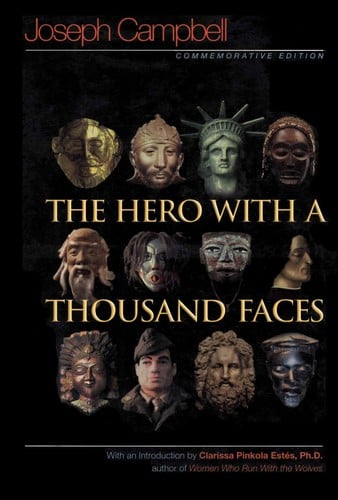
No. 32 on this list. The Hero with a Thousand Faces
Joseph Campbell · 1949
No. 33 on this list. The Poetic Edda
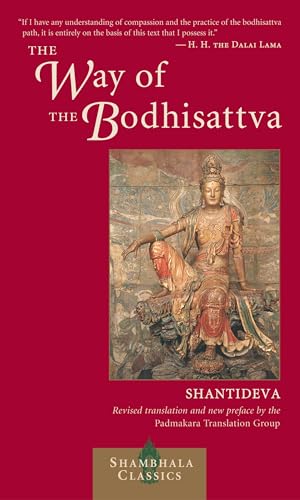
No. 34 on this list. The Way of the Bodhisattva
Śāntideva · 2003
No. 35 on this list. THE HOLY BIBLE: SIGNED Pennyroyal Caxton Bible BARRY MOSER Illustrator
Barry Moser · 1999
No. 36 on this list. Waiting for God
Simone Weil · 1950
No. 37 on this list. Treasury of the True Dharma Eye
Dōgen · 1253
No. 38 on this list. The Cost of Discipleship
Dietrich Bonhoeffer · 1937
No. 39 on this list. The Interior Castle
Teresa of Ávila · 1588
No. 40 on this list. Wise Blood
Flannery O'Connor · 1952
No. 41 on this list. The Courage to Be
Paul Tillich · 1952
No. 42 on this list. The Sacred and the Profane
Mircea Eliade · 1957
No. 43 on this list. The New England Mind: The Seventeenth Century
Perry Miller · 1939
No. 44 on this list. Fasti
Ovid · 8
No. 45 on this list. The Idea of the Holy
Rudolf Otto · 1917
No. 46 on this list. Holy Bible: English Standard Version (ESV)
No. 47 on this list. The Elementary Forms of Religious Life
Emile Durkheim · 1912
No. 48 on this list. Holy Bible: New International Version
No. 49 on this list. The Book of Her Life
Teresa of Ávila · 1588
No. 50 on this list. Mere Christianity
C.S. Lewis · 1952
No. 51 on this list. Errand into the Wilderness
Perry Miller · 1956
No. 52 on this list. The Antichrist
Friedrich Nietzsche · 1895
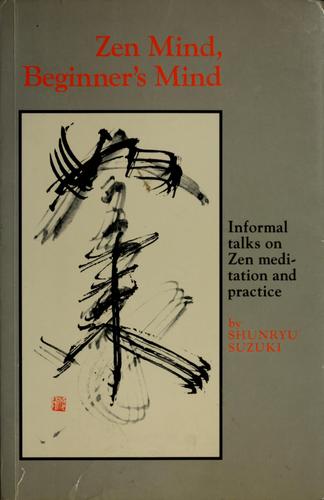
No. 53 on this list. Zen Mind, Beginner's Mind
Shunryu Suzuki · 1970
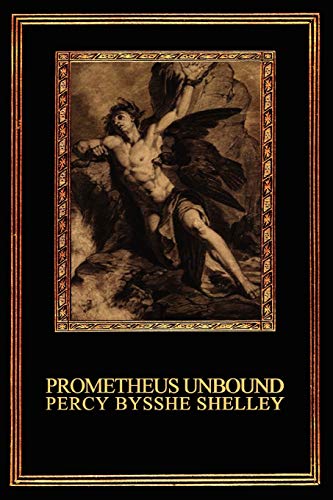
No. 54 on this list. Prometheus Unbound
Percy Bysshe Shelley · 1820
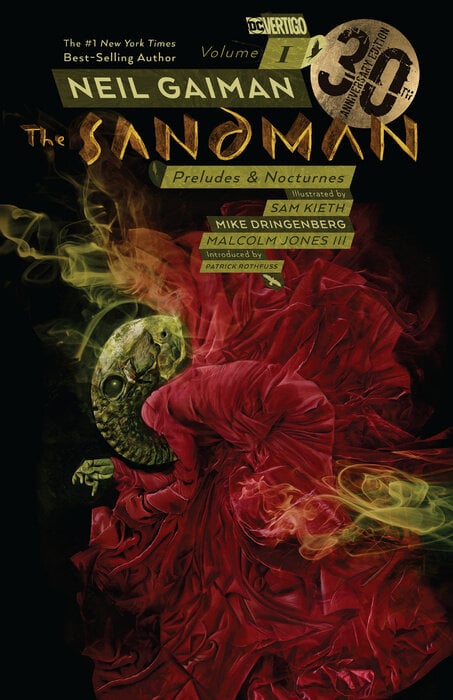
No. 55 on this list. The Sandman
Neil Gaiman · 1989
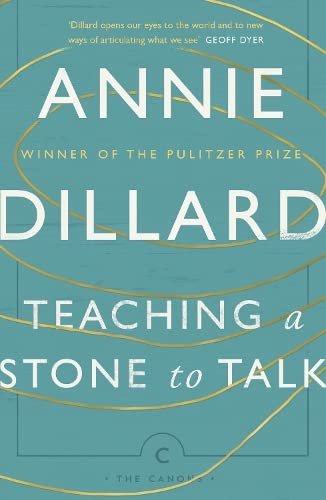
No. 56 on this list. Teaching a Stone to Talk
Annie Dillard · 1982
No. 57 on this list. The Magician’s Nephew
C.S. Lewis · 1955
No. 58 on this list. Ethics
No. 59 on this list. Mere Christianity Gift Edition
No. 60 on this list. Apologia Pro Vita Sua
John Henry Newman · 1864

No. 61 on this list. The Varieties of Religious Experience
William James · 1902
No. 62 on this list. Hyperion
John Keats · 1818
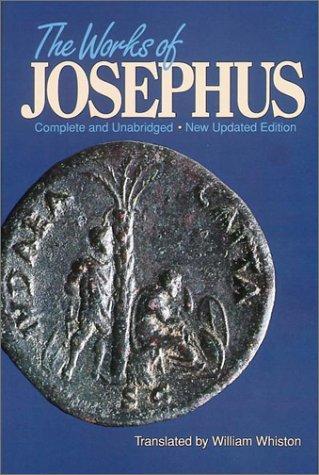
No. 63 on this list. The Works of Josephus
Flavius Josephus · 1980
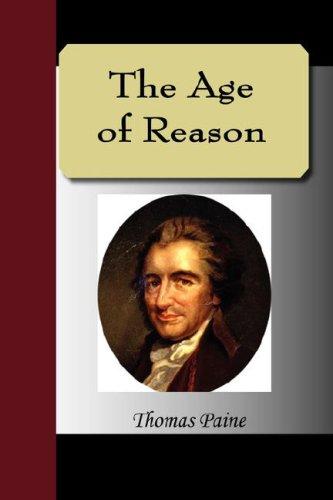
No. 64 on this list. The Age of Reason
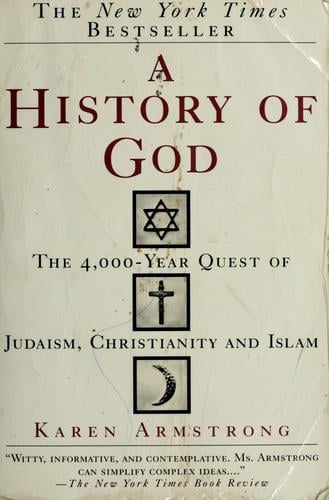
No. 65 on this list. A History of God
Karen Armstrong · 1993
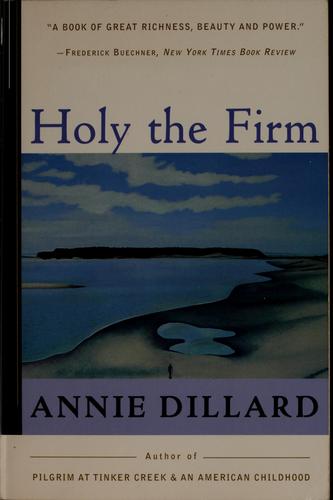
No. 66 on this list. Holy the Firm
Annie Dillard · 1977
No. 67 on this list. I and Thou
Martin Buber · 1923
No. 68 on this list. The Classic of Mountains and Seas
No. 69 on this list. Grace Abounding
John Bunyan · 1666
No. 70 on this list. Cold Mountain Poems
Hanshan · 800
No. 71 on this list. Qur'an and Woman: Rereading the Sacred Text from a Woman's Perspective
Amina Wadud · 1999
No. 72 on this list. All Desire is a Desire for Being
René Girard · 2023
No. 73 on this list. O Livro dos Cinco Anéis (Portuguese Edition)
Miyamoto Musashi · 2025
No. 74 on this list. The Artist's Way: A Spiritual Path to Higher Creativity
No. 75 on this list. Religio Medici
Thomas Browne · 1643
No. 76 on this list. The Embodied Mind
Francisco J. Varela · 1991
No. 77 on this list. The Snow Leopard
Peter Matthiessen · 1978
No. 78 on this list. The Battle for God
Karen Armstrong · 2001
No. 79 on this list. Being and Having
No. 80 on this list. Be Here Now
Ram Dass · 1971
No. 81 on this list. Muhammad and the Believers: At the Origins of Islam
Fred M. Donner · 2012
No. 82 on this list. The Orginal I Ching Oracle
Rudolph Ritsema · 2018
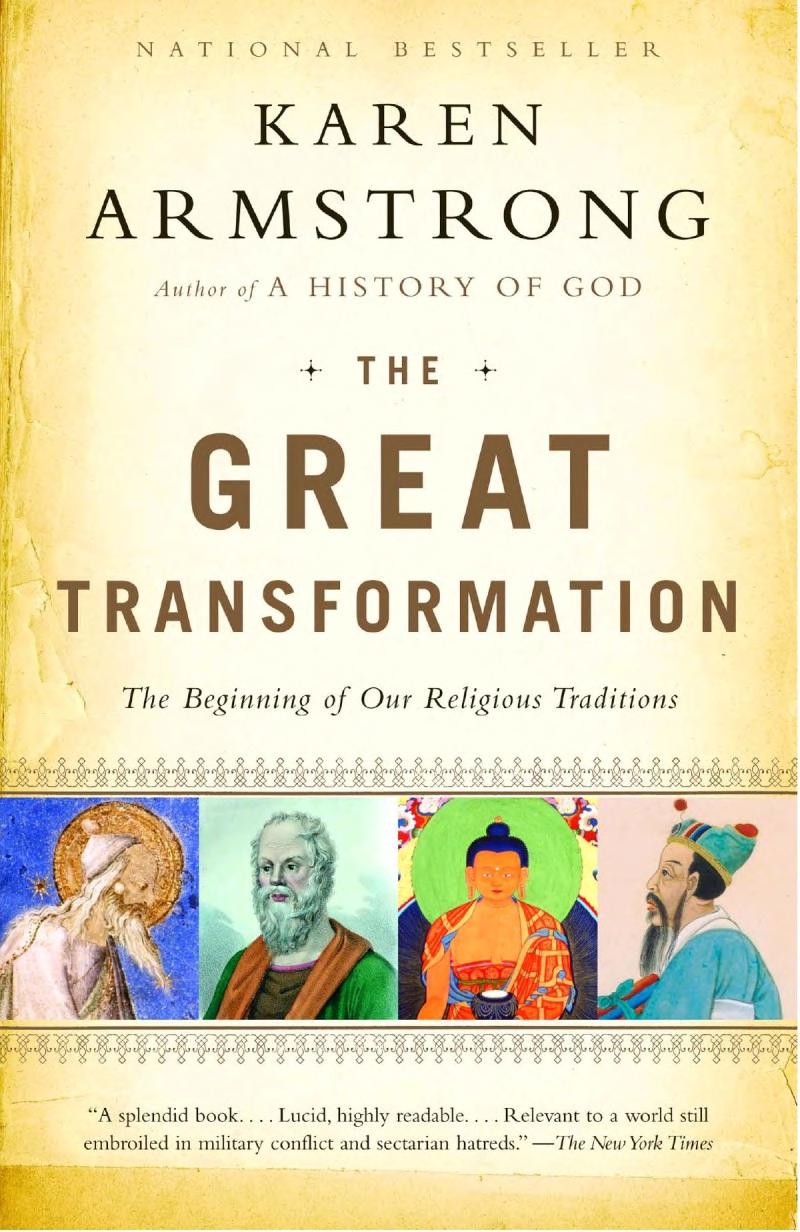
No. 83 on this list. The Great Transformation
Karen Armstrong · 2007
No. 84 on this list. The Instruction of Ptah-Hotep and the Instruction of Ke'Gemni The Oldest Books in the World
No. 85 on this list. Enheduana: The Complete Poems of the World's First Author
No. 86 on this list. Living Buddha, Living Christ
Thích Nhất Hạnh · 1997
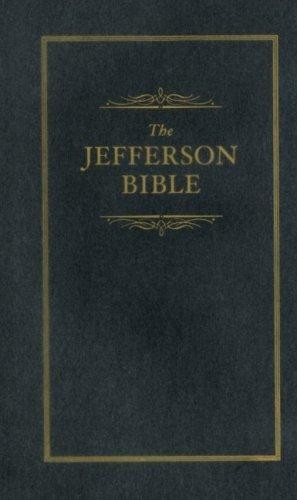
No. 87 on this list. Jefferson Bible: The Life and Morals of Jesus of Nazareth
No. 88 on this list. THE UPANISHADS: complete 4-volume boxed set
Nikhilananda · 1959
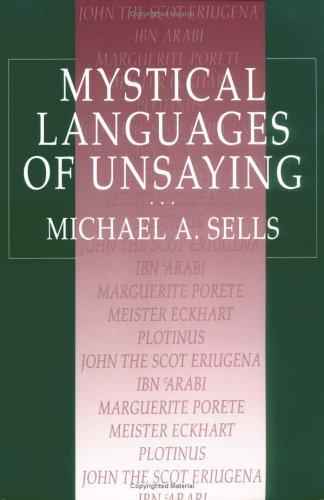
No. 89 on this list. Mystical Languages of Unsaying
Michael A. Sells · 1994
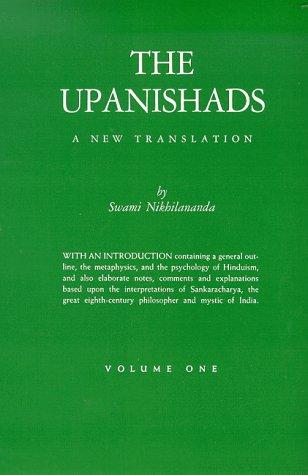
No. 90 on this list. The Upanishads: A New Translation, 4 Volumes.
Nikhilananda · 1977

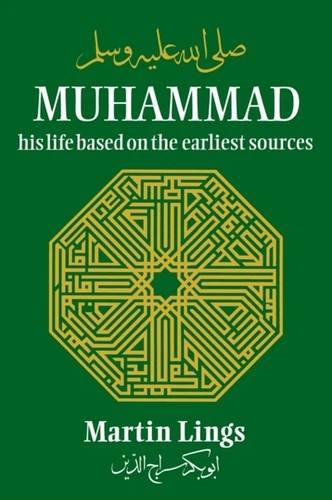
No. 91 on this list. Muhammad His Life Based on the Earliest Sources
Martin Lings · 1991
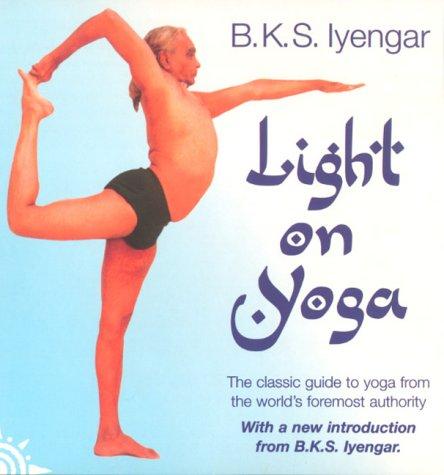
No. 92 on this list. Light on Yoga: The Definitive Guide to Yoga Practice
B.K.S. Iyengar · 2001
No. 93 on this list. The Greek Testament
Henry Alford · 1874
No. 94 on this list. The Secret of the Golden Flower by Thomas Cleary(1905-07-04)
Thomas Cleary · 2004
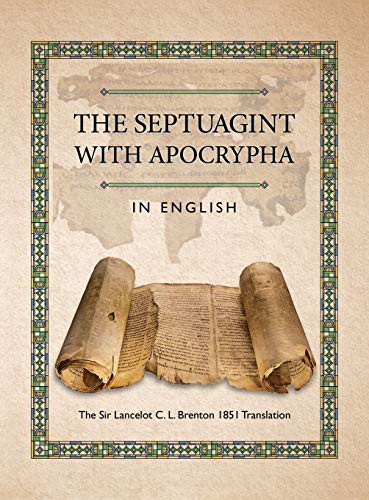
No. 95 on this list. The Septuagint with Apocrypha in English: The Sir Lancelot C. L. Brenton 1851 Translation
Joseph B. Lumpkin · 2015
No. 96 on this list. The Invention of Ancient Israel: The Silencing of Palestinian History
Keith W. Whitelam · 2000
No. 97 on this list. Life Application Study Bible: NIV
No. 98 on this list. The Prophet
Kahlil Gibran · 2003
No. 99 on this list. The Wisdom of Insecurity: A Message for an Age of Anxiety
Alan Watts · 1951
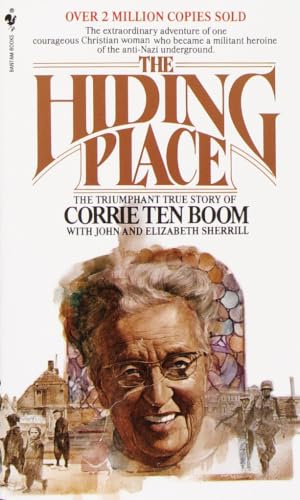
No. 100 on this list. The Hiding Place: The Triumphant True Story of Corrie Ten Boom
Corrie ten Boom · 1971
About this list
These 100 books are the highest-scoring eligible books on religion and spirituality currently in the catalogue. About 920 hours of reading in all, for the 90 with measured lengths. Difficulty runs from 47 to 62 out of 100 for the middle half of the list; the summit is Summa Theologica at 86.
This list is ranked by literary regard, with a consistent order for equal scores. Membership follows authors and co-authors, not translators or editors. Catalogue coverage and the historical canon both limit what this list can represent, and genre labels are the catalogue’s own, gathered into broader kinds.
When we matched the Canons dataset to our catalogue in October 2026, our canonical-status scores rose with the number of school curricula, publisher series and lists in it that cite a work: the median score was 72 for books one such source cites, 84 at two, 88 at three, 92 at four and 93 at five or more. Prizes are left out of that count. Outside the state curricula, the dataset’s sources choose mostly from what has been translated into English or French, so it is a weaker check on other literatures. Source: Canons (Andrew Piper), CC BY 4.0
Questions people actually ask
- What are the best books on religion and spirituality?
- By literary regard, which weighs canonical status, critical standing and influence: The Devine Comedy by Dante Alighieri, The Holy Bible: King James Version by Anonymous, Summa Theologica by Thomas Aquinas, Confessions by Augustine of Hippo and The Koran by Anonymous. ReadingRate ranks 100 such books, each with a difficulty score and a reading-time estimate.
- Which books on religion and spirituality should I read first?
- Start from difficulty, not from rank. The most approachable books on this list that still carry top literary regard are The Cost of Discipleship by Dietrich Bonhoeffer (about 3.8 hours), Theogony/Works and Days by Hesiod and The Hero with a Thousand Faces by Joseph Campbell.
- What are the shortest of the best books on religion and spirituality?
- Among the top 25, the shortest are Prometheus Bound by Aeschylus (about 47 min), Theogony by Hesiod (about 38 min) and Samson Agonistes by John Milton (about 1.1 hours), at an average pace of 250 words a minute adjusted for each book's difficulty.
- Which of the best books on religion and spirituality are the established classics?
- By canonical status, how firmly a book sits in curricula, anthologies and the canon: King James Bible by Anonymous, The Holy Bible: King James Version by Anonymous, Summa Theologica by Thomas Aquinas, The Koran by Anonymous and The Devine Comedy by Dante Alighieri.
- Can I read any of these books on religion and spirituality for free?
- 7 of the 100 open in ReadingRate's reader with a free account, from public-domain editions: Confessions, The Protestant Ethic and the Spirit of Capitalism, Tao Te Ching, Analects, Paradise Regained and 2 more.
- How long would it take to read the top ten?
- About 239 hours, at an average pace of 250 words a minute adjusted for each book's difficulty: 120 days at two hours a day. Set your own pace on the page and the list's reading times change to it.
- How hard are books on religion and spirituality to read?
- Most of this list sits between 47 and 62 on ReadingRate's 100-point difficulty scale, where 40 to 55 is moderate. The summit is Summa Theologica at 86. Every entry carries its own score, so a reader can pick a great book at a difficulty they will finish.
- How is this list ranked?
- On literary-regard data: how canonically established a work is, its critical standing, and its influence on later writing. It is not a readers’ poll, which is why recent bestsellers rarely appear. Membership follows authors and co-authors, not translators or editors. Lists by country, author, period, theme or difficulty keep to literature: fiction, poetry and drama, with no philosophy, criticism or theory. A list of a kind of book, such as philosophy, memoir or criticism, keeps every book of that kind. Every list holds at most three works by one author.