Hours at an average pace
Showing 80 books
About 395 hours for 79 of 80 books with measured lengths. Estimates use 250 words a minute, adjusted for each book's difficulty. At 2 hours a day, about 198 days for those books.
A foundation text of Western thought, assigned across classics, history, political science and international relations, and a fixture of Great Books programs. The U.S. Naval War College has built its strategy teaching around it since the 1970s.
No. 2 on this list. The Birds
Aristophanes · c. 414 BCE
Moderate1.3 hours
Included in: Great Books of the Western World
The Birds is universally recognized as one of Aristophanes' finest comedies and a canonical text of ancient Greek literature, appearing on syllabi for classical literature, comparative literature, and Western civilization courses globally. Slightly less commonly assigned as an entry point than Lysistrata or The Clouds, it is nonetheless required reading in classics programs. The absence of database records reflects a data gap, not genuine obscurity.
No. 3 on this list. Lysistrata
Aristophanes · c. 411 BCE
Easy50 min
Taught in schools: Hungarian literature curriculum (magyar nyelv és irodalom) (Hungary)
Included in: Great Books of the Western World
Lysistrata appears on university syllabi worldwide in classics, theatre, women's studies, and political science courses. It is one of the most-performed ancient Greek comedies and features in virtually every survey of world literature and Western drama. Its 2,400-year continuous performance history makes it one of the most durably canonical texts in any language.
Ah Q stands with Quixote, Oblomov, and Babbitt as literature's archetypal national figures. For modern Chinese literature, this text functions as foundational myth—the work that demonstrated vernacular Chinese could carry savage social critique and established Lu Xun as the tradition's father.
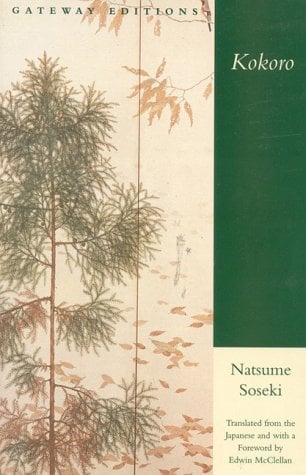
No. 5 on this list. Kokoro
Natsume Sōseki · 1914
Moderate4.5 hours
Included in: UNESCO Collection of Representative Works
Kokoro is universally regarded as the supreme masterpiece of modern Japanese literature and one of the most important novels of the twentieth century in any language. It is the single most commonly assigned novel in Japanese high schools and universities, and appears on literature syllabi worldwide. It has been continuously in print since 1914 and has been translated into dozens of languages. It is a permanent fixture of every serious list of world literature, from the Penguin Classics and Oxford World Classics catalogs to Harold Bloom's discussions of global literary achievement.
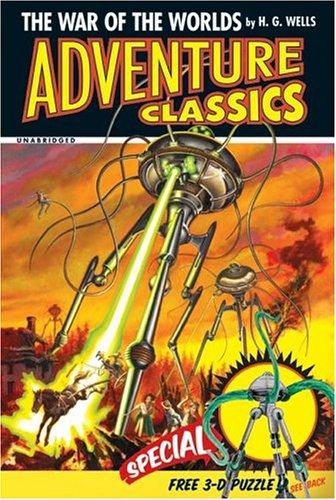
No. 6 on this list. The War of the Worlds
H.G. Wells · 1898
Moderate4.4 hours
Taught in schools: OCR GCSE and A-level English Literature (UK), Pearson Edexcel GCSE and A-level English Literature (UK), WJEC/Eduqas GCSE and A-level English Literature (UK)
The War of the Worlds is a cornerstone of science fiction, taught widely in literature and science fiction courses. While not as universally assigned as 1984 or Brave New World, it appears regularly in surveys of speculative fiction, Victorian literature, and science fiction history. The novel's influence on the genre ensures its continued academic presence.
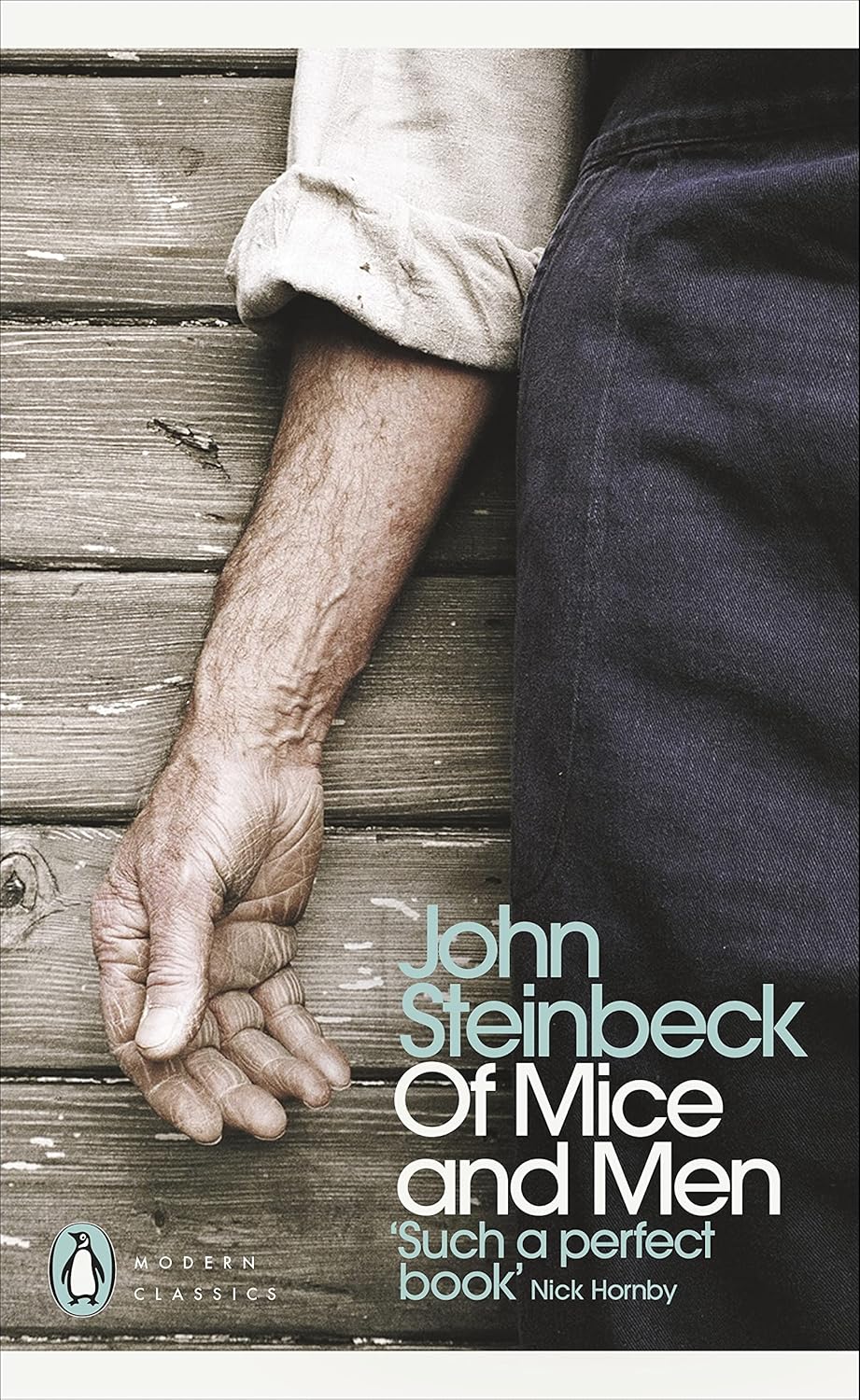
No. 7 on this list. Of Mice and Men
John Steinbeck · 1937
Easy1.7 hours
Taught in schools: Pacific Senior Secondary Certificate – English, Turkish edebiyat curriculum (Turkey)
One of the most taught works in American secondary and post-secondary education, with 548 syllabus appearances placing it in the top tier of assigned literature. Included in Library of America, Penguin Classics, Everyman's Library, and Penguin Modern Classics. Appears on the BBC Big Read Top 100 and 1001 Books You Must Read Before You Die. Its status as core American literary reading is unquestioned.
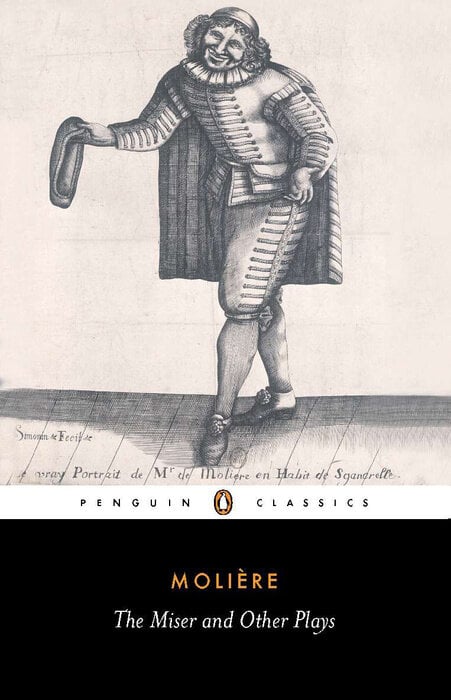
No. 8 on this list. The Miser
Molière · 1668
Moderate1.4 hours
Taught in schools: Lektury obowiązkowe – Polish national reading list (Poland), UNAM Escuela Nacional Preparatoria – programas de Literatura (Mexico)
Included in: Great Books of the Western World
The Miser is a staple of French literature and world theater curricula across universities globally, ranking among the most performed and studied comedies of the Western canon. While no syllabus count is in the database, it appears consistently on comparative literature, French studies, and drama course lists. Its presence in world literature anthologies across dozens of languages reflects its canonical standing.
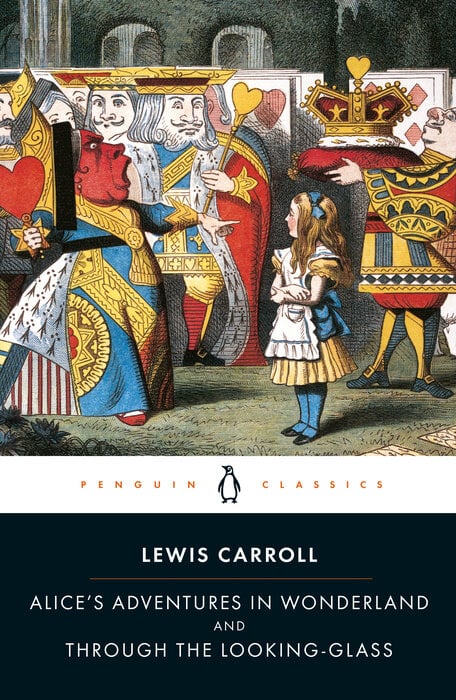
No. 9 on this list. Alice's Adventures in Wonderland and Through the Looking-Glass
Lewis Carroll · 1871
Moderate3.6 hours
No syllabus or Wikipedia-language data is recorded for this edition in our database, but Alice is a fixture of children's-literature, Victorian-studies, and philosophy-of-language courses worldwide. It remains one of the most translated books in history, with a reach comparable to Hamlet's or The Great Gatsby's syllabus ubiquity.
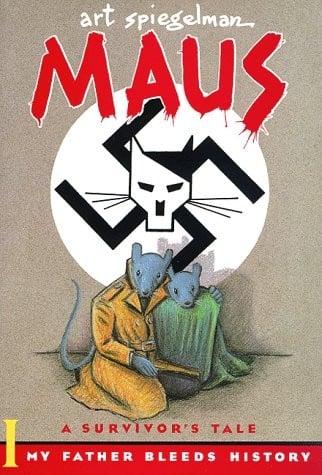
No. 10 on this list. Maus I: A Survivor's Tale: My Father Bleeds History
Art Spiegelman · 1991
Easy2.2 hours
Maus is widely taught in schools and universities as a central Holocaust text and as the key work of the graphic novel, and it won a Pulitzer Prize special award in 1992 for the combined work. It is now standard in comics studies and memory studies.
No. 11 on this list. One Day in the Life of Ivan Denisovich · Aleksandr Solzhenitsyn · 1962
A single January day in a Soviet labor camp in the early 1950s, told through the eyes of Ivan Denisovich Shukhov, a peasant ten years into a trumped-up sentence for treason. Solzhenitsyn structures the novel as a minute-by-minute account: the pre-dawn wake-up, the roll call in −30° cold, the march to the construction site, the bricklaying in the wind, the return, the thin soup, and lights out. The genius of the book is its scale — one man, one day — and the moral universe Shukhov navigates within it. He is not heroic in any conventional sense; he calculates how to get an extra bowl of gruel, how to pocket a useful piece of metal, how to avoid the guards' notice. Yet these calculations constitute a form of dignity. Published in 1962 in the Soviet literary journal Novy Mir under Khrushchev's brief thaw, the novella hit Soviet readers like a physical shock: the Gulag had existed for decades, but naming it in print was new. In the West it became the first credible inside account of the camp system, a document as much as a novel. Solzhenitsyn's prose is close-grained and unsentimental, the voice tuned to Shukhov's practical intelligence. The cold is not metaphorical; the bread is not symbolic. The facts speak.
Easy3 hours
Start this bookNo. 12 on this list. A Good Man Is Hard to Find · Flannery O'Connor · 1955
One of the most important short story collections in American literature. The title story alone is among the most widely taught and analyzed works of American fiction.
Moderate2.8 hours
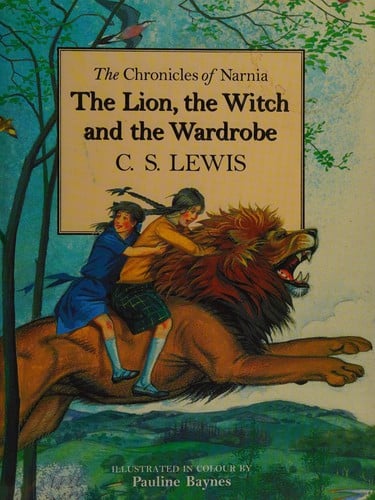
Start this bookNo. 13 on this list. The Lion, the Witch and the Wardrobe · C.S. Lewis · 1950
The Lion, the Witch and the Wardrobe is taught in elementary and middle schools worldwide and is considered essential children's literature. It appears on countless reading lists and is often children's introduction to fantasy literature. The Narnia series is foundational to understanding modern fantasy and children's fiction.
Easy2.1 hours
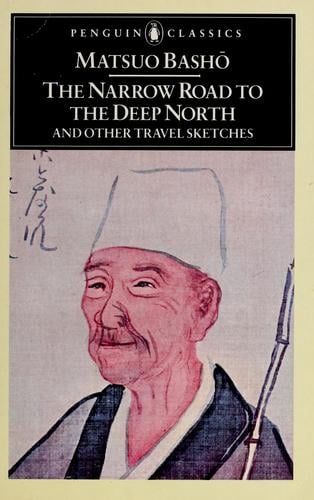
Start this bookNo. 14 on this list. The Narrow Road to the Deep North and Other Travel Sketches · Matsuo Bashō · 1702
It is one of the central works of Japanese literature and appears in Penguin Classics. It is taught widely in world literature and Asian studies courses.
Moderate1.6 hours
Start this bookNo. 15 on this list. Theogony/Works and Days · Hesiod
Hesiod's poems are core texts in classics courses and Greek mythology curricula worldwide. They stand beside Homer as the foundation of Greek literature.
Moderate2.4 hours
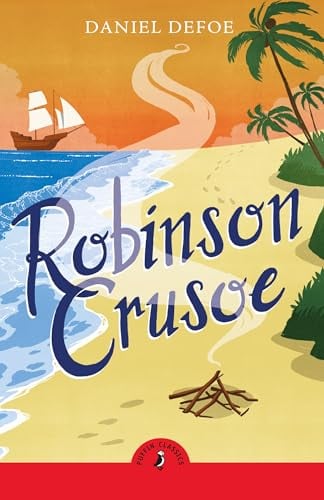
Start this bookNo. 16 on this list. Robinson Crusoe · Daniel Defoe · 1719
Taught in schools: Turkish edebiyat curriculum (Turkey)
Defoe dropped a castaway on an island with a wrecked ship's supplies and invented the novel as we know it: plain prose, daily particulars, one man's consciousness stretched across twenty-eight years of solitude. Every survival narrative and desert-island story descends from Crusoe's footprint in the sand.
Easy7.1 hours
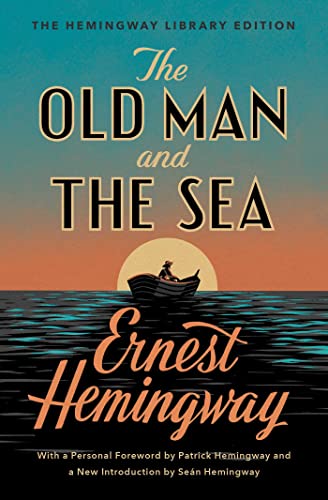
Read nowNo. 17 on this list. The Old Man and the Sea · Ernest Hemingway · 1952
Taught in schools: Kazakh literature curriculum (Kazakhstan)
Included in: Bokklubben World Library
Hemingway reduced fiction to one old man, one marlin, and the Gulf Stream, and proved that a story stripped to its barest elements could carry the weight of a parable about endurance, craft, and the dignity of losing. The novella's final image — the skeleton of the great fish picked clean at the dock — is among the most perfectly earned symbols in American literature.
Moderate1.7 hours
Start this bookNo. 18 on this list. A Christmas Carol · Charles Dickens · 1843
Taught in schools: AQA GCSE and A-level English Literature (UK), CSEC English B – Caribbean Examinations Council, OCR GCSE and A-level English Literature (UK)
A Christmas Carol is among the most widely taught Victorian texts in the English-speaking world, a fixture on secondary and university literature curricula in the UK, US, and Commonwealth nations. Its Wikipedia article exists in over 60 languages, and it appears on virtually every canonical list of Victorian prose. No other work of comparable length has achieved the same degree of curricular permanence.
Easy1.7 hours
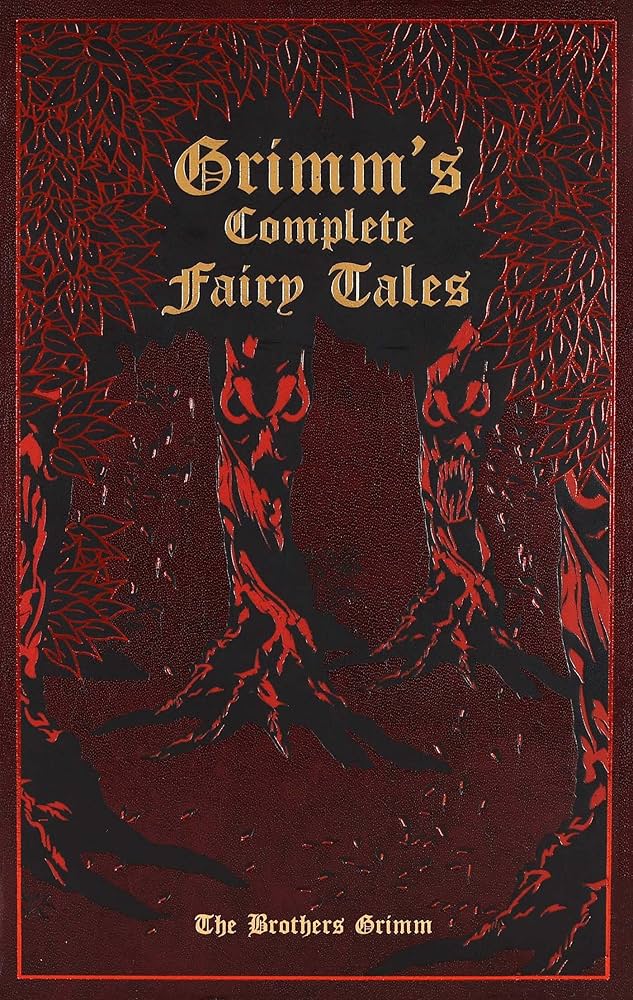
Read nowNo. 19 on this list. The Complete Grimm's Fairy Tales · Jacob Grimm · 1976
The Grimm tales are among the most widely taught and anthologized texts in the Western world, and they anchor folklore, children's literature, and German studies courses. Cinderella, Snow White, and Hansel and Gretel are cultural touchstones, though the edition itself is more of a reading text than a syllabus staple.
Easy12 hours
Start this bookNo. 20 on this list. The Death of Ivan Ilyich · Leo Tolstoy · 1886
Taught in schools: Hungarian literature curriculum (magyar nyelv és irodalom) (Hungary), Russian FGOS literature standard
Included in: Bokklubben World Library
Universally regarded as one of the greatest novellas ever written. Studied across literature and philosophy courses.
Moderate1.2 hours
Start this book

No. 21 on this list. Ghosts · Henrik Ibsen
One of Ibsen's best-known plays, widely taught in drama and modern theatre courses alongside A Doll's House and Hedda Gabler. It is a standard text in studies of European realism.
Moderate1.6 hours
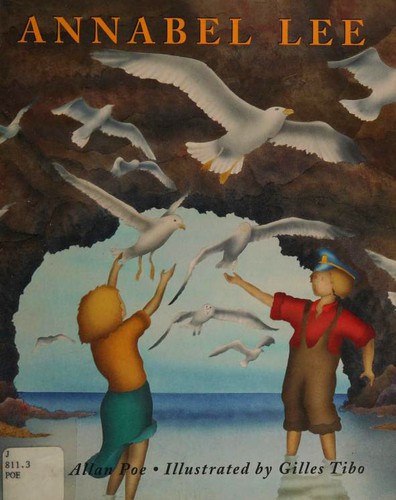
Start this bookNo. 22 on this list. Annabel Lee · Edgar Allan Poe · 1849
One of the most anthologised poems in American literature and a standard school text.
Moderate24 min
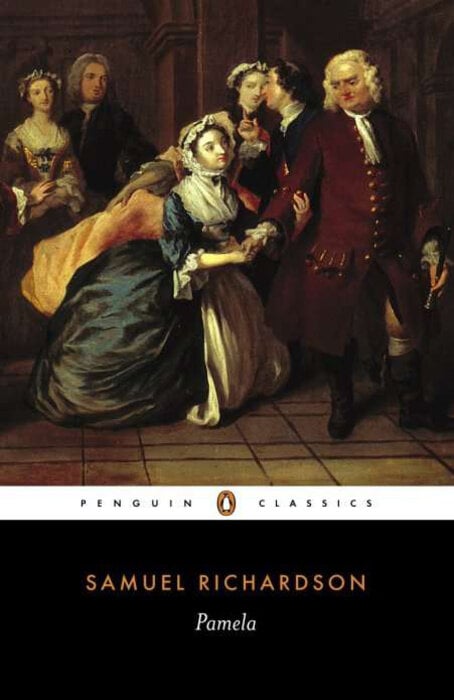
Start this bookNo. 23 on this list. Pamela · Samuel Richardson · 1740
Pamela Andrews is fifteen years old and in service when her mistress dies and the mistress's son, Mr. B, begins a campaign to seduce her. She refuses. He escalates — intercepting her letters, relocating her to a remote estate, locking her in — and she keeps writing, to her parents and in a secret journal she hides in her clothing. What makes the novel strange is that we only have Pamela's account: earnest, relentlessly self-observing, written in the knowledge that Mr. B may one day read every word she has set down. Published in 1740, Pamela invented something — not just the epistolary novel, but the novel's peculiar project of making a single consciousness the center of a world. Richardson called his method 'writing to the moment': the heroine records events as they happen, before she knows how they will turn out. Readers have been arguing about Pamela's sincerity ever since. Henry Fielding published Shamela the following year, certain the whole performance was calculation dressed as virtue. That argument — is Pamela genuinely good, or is goodness here just the strategy that worked? — has never been settled. The novel is slow by design: captivity is repetitive, and Richardson wants you to feel it. But the compression of one young woman's inner life, the surveillance she endures and returns in kind, and the original sin of a marriage that rewards persistence over refusal make Pamela one of the most uncomfortable triumphs in English fiction.
Moderate14 hours
Start this bookNo. 24 on this list. The House of the Dead · Fyodor Dostoevsky · 1862
Fyodor Dostoevsky spent four years in a Siberian prison camp after the tsar commuted his death sentence at the last moment. He came out a different writer. The House of the Dead channels that experience through Alexander Petrovich Goryanchikov, a nobleman convicted of murdering his wife, who records the daily life of the katorga — the forced labor camp — with the precision of a naturalist and the unease of someone who cannot stop looking. The other prisoners steal, scheme, perform folk plays, and occasionally show flashes of unexpected grace. Goryanchikov watches all of it without rendering verdicts. The book does not explain what prison does to men; it shows men inside prison, and lets the accumulated detail do the work. Dostoevsky writes with a clinical restraint unusual for him — no murder plots, no philosophical speeches, no epileptic crises. What remains is a documentary of degradation that refuses to moralize, which is exactly what makes the moral weight so heavy. Readers expecting Dostoevsky's trademark feverish psychology will find something quieter here: a sustained act of witness.
Moderate8.1 hours
Read nowNo. 25 on this list. A Hero of Our Time · Mikhail Lermontov · 1840
A Hero of Our Time is the foundational text of Russian psychological prose and is taught in virtually every Russian literature survey course worldwide. The database shows no Open Syllabus data, but the novel's position in the Russian literary canon — alongside Pushkin, Tolstoy, and Dostoevsky — is unambiguous; it is typically included in world literature curricula and is required reading in Russian secondary and university education. Wikipedia covers the work extensively in dozens of languages. Its canonical status in Russian literature is comparable to The Great Gatsby's position in American literature.
Moderate3.7 hours
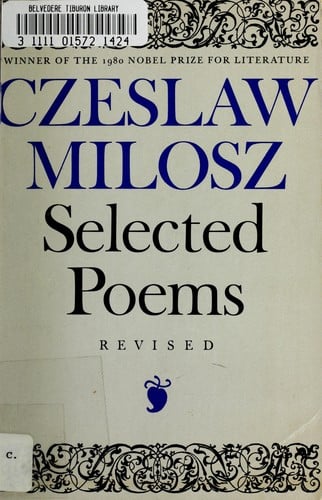
Start this bookNo. 26 on this list. Selected Poems of Czesław Miłosz · Czesław Miłosz · 1988
Nobel laureate and one of the most important poets of the twentieth century. Central to Polish literature and increasingly recognized in world poetry.
Moderate1.9 hours
Start this bookNo. 27 on this list. Grimm's Fairy Tales · Brothers Grimm · 1812
Jacob and Wilhelm Grimm collected Cinderella, Rapunzel, Hansel and Gretel, Snow White, and Rumpelstiltskin from oral sources and fixed them in print, giving Western childhood its permanent mythology. The collection launched the discipline of folklore studies and remains the most influential story anthology ever published.
Easy5.9 hours
Start this bookNo. 28 on this list. The Recognition of Sakuntala · Kalidasa
It is the central work of Sanskrit drama and a staple of world literature and Indian classical courses. It shaped European Romantic reading of India after the 1789 translation.
Easy
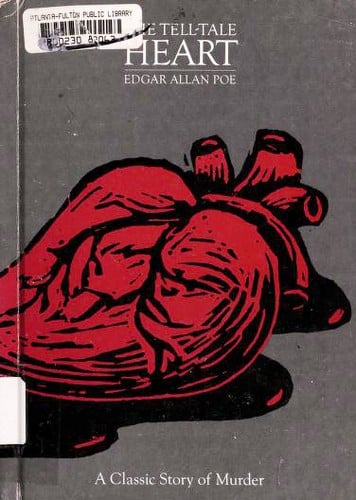
Start this bookNo. 29 on this list. The Tell-Tale Heart · Edgar Allan Poe · 1843
Taught in schools: Pacific Senior Secondary Certificate – English
It is recommended reading in the Pacific Senior Secondary Certificate English curriculum and is among the most widely taught American short stories in schools worldwide, comparable to Gatsby's classroom ubiquity in its own form.
Moderate32 min
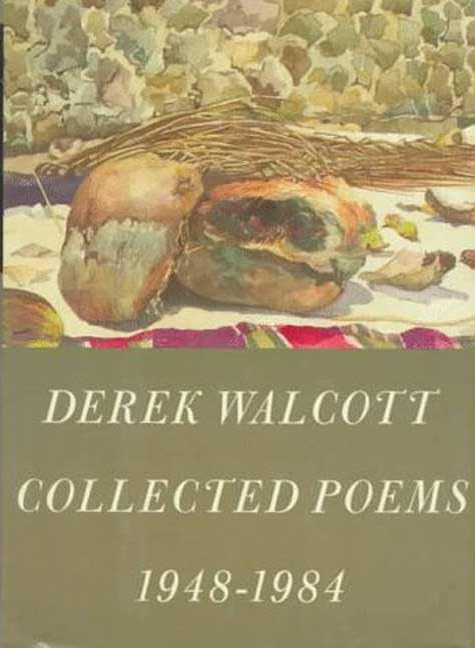
Start this bookNo. 30 on this list. Collected Poems of Derek Walcott · Derek Walcott · 1986
Nobel laureate and the defining poet of the Anglophone Caribbean. Central to postcolonial literature and increasingly recognized in the broader English-language canon.
Moderate6.2 hours
Start this book
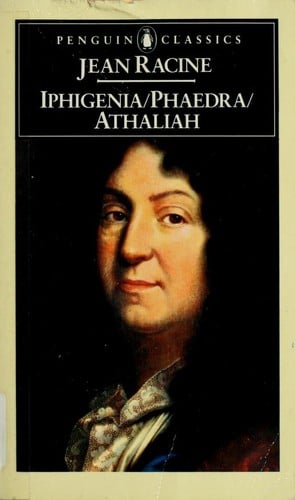
No. 31 on this list. Phèdre
Jean Racine · 1677
Included in: Great Books of the Western World
No. 32 on this list. The Captain's Daughter
Alexander Pushkin · 1836
No. 33 on this list. The Arabian Nights
No. 34 on this list. The Importance of Being Earnest and Other Plays
Oscar Wilde · 1898
No. 35 on this list. The Complete Sherlock Holmes
Arthur Conan Doyle · 1887
No. 36 on this list. Titus Andronicus
William Shakespeare · 1594
Included in: Great Books of the Western World
No. 37 on this list. King John
William Shakespeare · 1596
Included in: Great Books of the Western World
No. 38 on this list. Fortunata and Jacinta
Benito Pérez Galdós · 1887
No. 39 on this list. The Legend of Sleepy Hollow
Washington Irving · 1820
No. 40 on this list. Borderlands/La Frontera: The New Mestiza
Gloria Anzaldua · 1987
No. 41 on this list. Fortress Besieged
Qian Zhongshu · 1947
No. 42 on this list. Uncle Tom's Cabin
Harriet Beecher Stowe · 1852
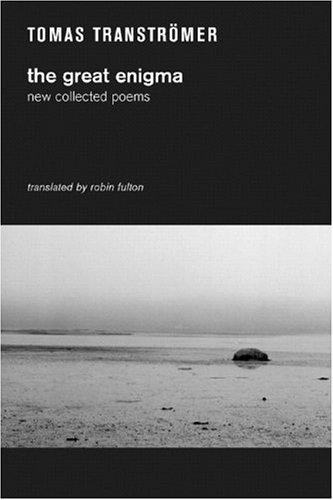
No. 43 on this list. The Great Enigma: New Collected Poems
Tomas Tranströmer · 2006
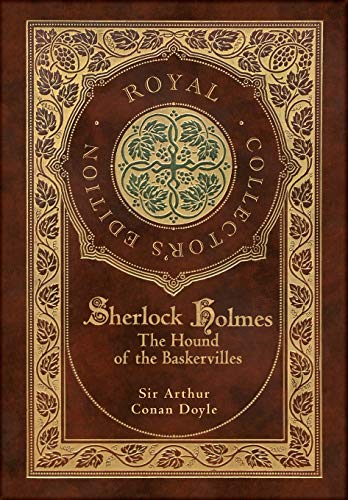
No. 44 on this list. The Hound of the Baskervilles
Arthur Conan Doyle · 1902
Taught in schools: CSEC English B – Caribbean Examinations Council
No. 45 on this list. Ivanhoe
Walter Scott · 1819
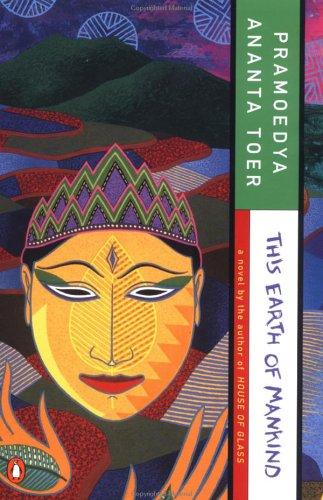
No. 46 on this list. This Earth of Mankind
Pramoedya Ananta Toer · 1980
Taught in schools: Indonesian sastra curriculum
No. 47 on this list. Octavia E. Butler: Kindred, Fledgling, Collected Stories
Octavia E. Butler · 2021
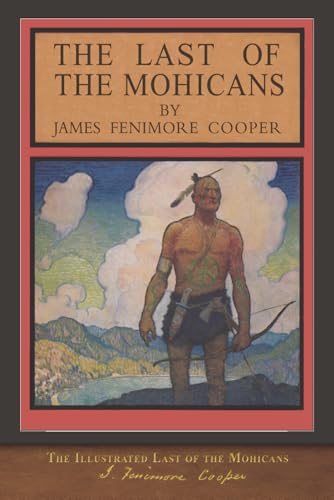
No. 48 on this list. The Last of the Mohicans
James Fenimore Cooper · 1826
No. 49 on this list. The Time of the Doves
Mercè Rodoreda · 1962
No. 50 on this list. The Complete Sherlock Holmes - Volume I


No. 51 on this list. Godaan
Premchand · 1936
No. 52 on this list. Charlotte's Web
E.B. White · 1952
No. 53 on this list. Rip Van Winkle
Washington Irving · 1819
No. 54 on this list. The School for Wives
Molière · 1662
Included in: Great Books of the Western World
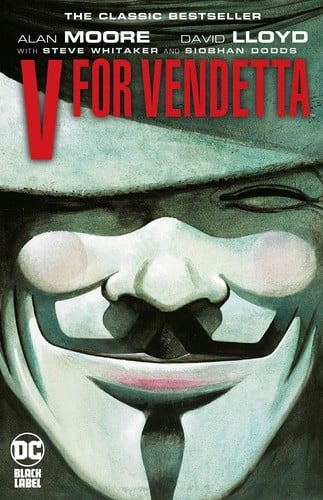
No. 55 on this list. V for Vendetta
Alan Moore · 1989
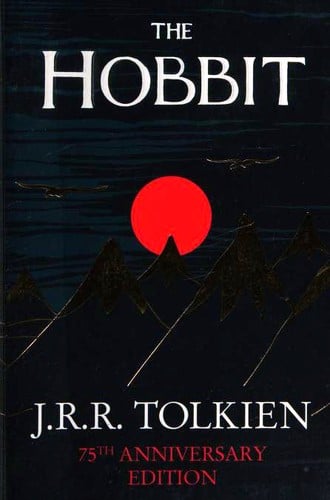
No. 56 on this list. The Hobbit, or There and Back Again
J.R.R. Tolkien · 1937
Taught in schools: CSEC English B – Caribbean Examinations Council, Kazakh literature curriculum (Kazakhstan)
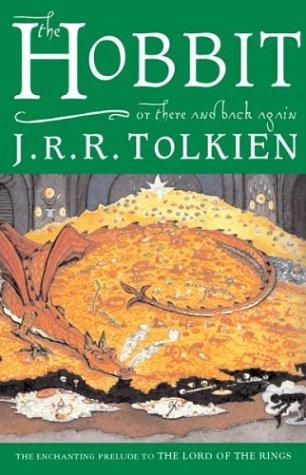
No. 57 on this list. The Hobbit
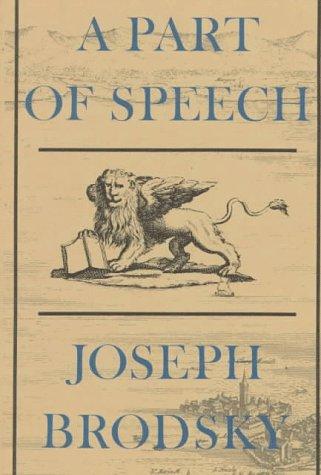
No. 58 on this list. A Part of Speech
Joseph Brodsky · 1977
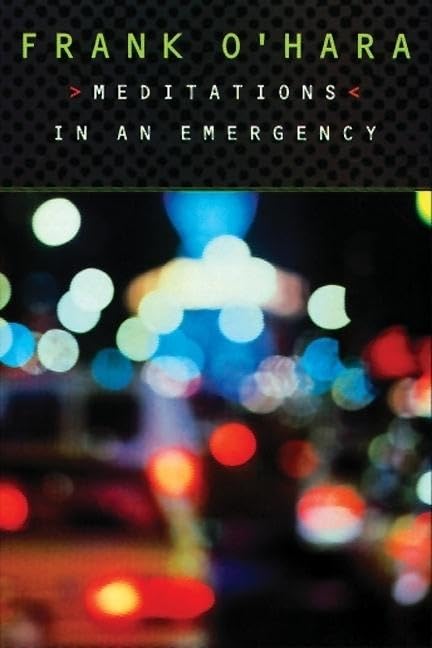
No. 59 on this list. Meditations in an Emergency
Frank O'Hara · 1957
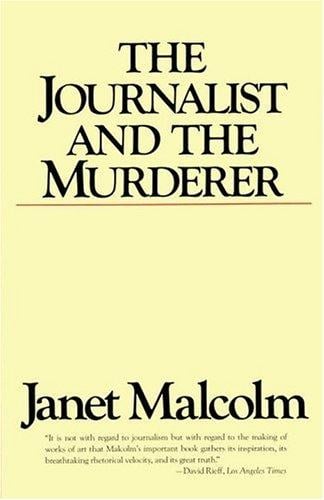
No. 60 on this list. The Journalist and the Murderer
Janet Malcolm · 1990
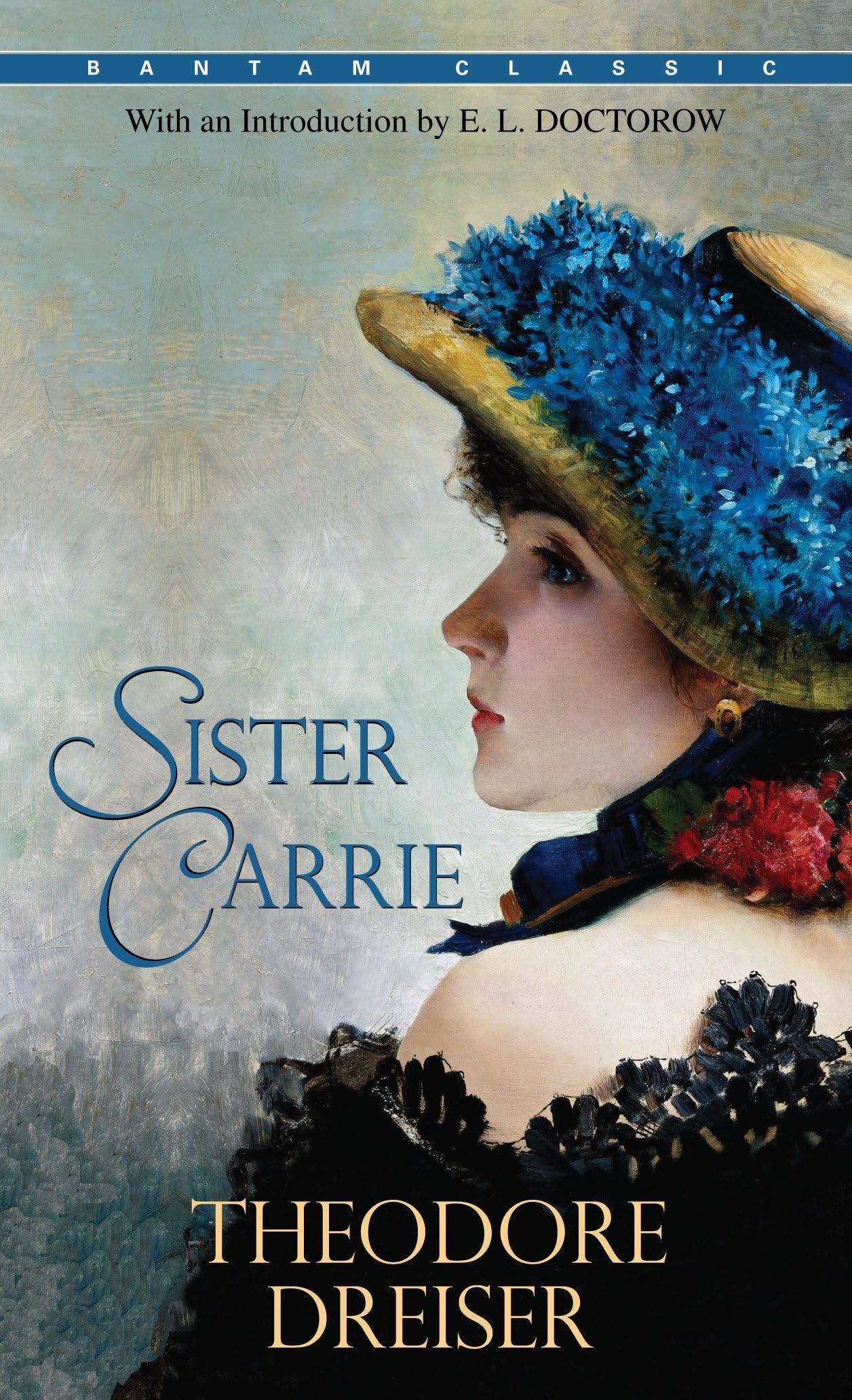
No. 61 on this list. Sister Carrie
Theodore Dreiser · 1900
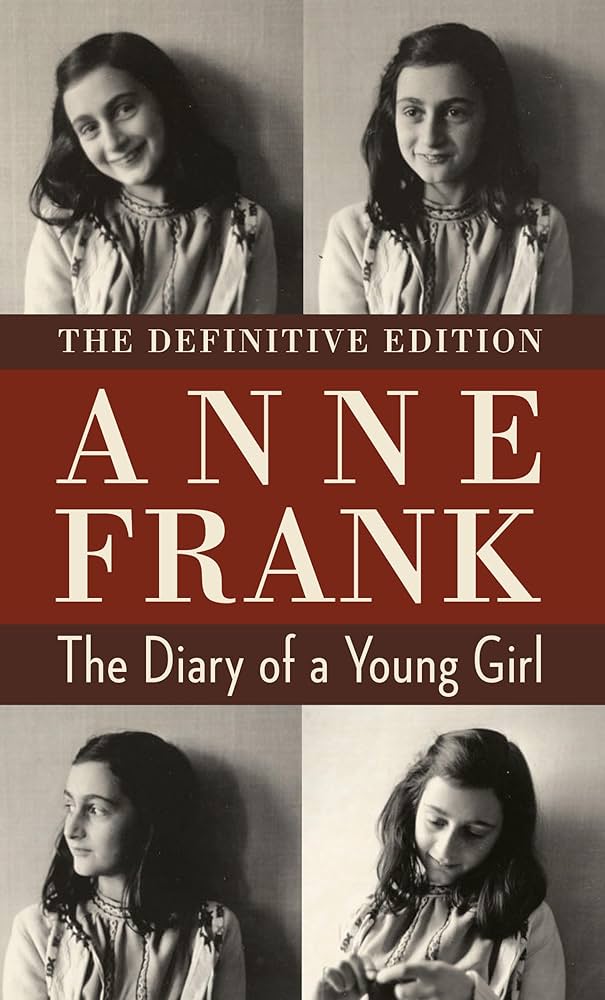
No. 62 on this list. The Diary of a Young Girl
Anne Frank · 1947
No. 63 on this list. Ethan Frome
Edith Wharton · 1911
No. 64 on this list. Cousin Bette
Honoré de Balzac · 1846
Included in: Great Books of the Western World
No. 65 on this list. A Christmas Carol / The Chimes / The Cricket on the Hearth
No. 66 on this list. Men in the Sun
Ghassan Kanafani · 1963
No. 67 on this list. The Count of Monte Cristo [Abridged]
No. 68 on this list. The Hobbit: Illustrated Edition
No. 69 on this list. Selected Poems of Zbigniew Herbert
Zbigniew Herbert · 1977
No. 70 on this list. The Wind-Up Bird Chronicle
Haruki Murakami · 1994


No. 71 on this list. Treasure Island
Robert Louis Stevenson · 1883
Taught in schools: Pacific Senior Secondary Certificate – English
No. 72 on this list. Meditations on First Philosophy
René Descartes · 1641
No. 73 on this list. The Prince
Niccolò Machiavelli · 1532
No. 74 on this list. Two Treatises of Government
John Locke · 1689
No. 75 on this list. Reveries of the Solitary Walker
Jean-Jacques Rousseau · 1782
No. 76 on this list. Enchiridion
Epictetus · 125
No. 77 on this list. Meditations
Marcus Aurelius · 180
Included in: Great Books of the Western World
No. 78 on this list. Discourses
Epictetus · 108
No. 79 on this list. The Art of War
Sun Tzu · c. 500 BCE
No. 80 on this list. The Cost of Discipleship
Dietrich Bonhoeffer · 1937
About this list
These 80 books are the highest-scoring eligible books currently in the catalogue, kept to the ones that measure as easy to read (difficulty score under 45, prose difficulty under 65, literary regard 80 or more). About 395 hours of reading in all, for the 79 with measured lengths. Difficulty runs from 34 to 42 out of 100 for the middle half of the list; the summit is Collected Poems of Derek Walcott at 45.
This is a computed ranking ordered by literary regard, with a consistent order for equal scores. Membership follows authors and co-authors, not translators or editors. The list keeps to literature: fiction, poetry and drama, with no philosophy, criticism or theory, and no more than three works by one author. Catalogue coverage and the historical canon both limit what this list can represent.
When we matched the Canons dataset to our catalogue in October 2026, our canonical-status scores rose with the number of school curricula, publisher series and lists in it that cite a work: the median score was 72 for books one such source cites, 84 at two, 88 at three, 92 at four and 93 at five or more. Prizes are left out of that count. Outside the state curricula, the dataset’s sources choose mostly from what has been translated into English or French, so it is a weaker check on other literatures. Source: Canons (Andrew Piper), CC BY 4.0
Questions people actually ask
- What are the best books that are easy to read?
- By literary regard, which weighs canonical status, critical standing and influence: The Peloponnesian War by Thucydides, The Birds by Aristophanes, Lysistrata by Aristophanes, The True Story of Ah Q by Lu Xun and Kokoro by Natsume Sōseki. ReadingRate ranks 80 such books, each with a difficulty score and a reading-time estimate.
- Which books that are easy to read should I read first?
- Start from difficulty, not from rank. The most approachable books on this list that still carry top literary regard are Charlotte's Web by E.B. White (about 1.6 hours), The Complete Grimm's Fairy Tales by Jacob Grimm and Maus I: A Survivor's Tale: My Father Bleeds History by Art Spiegelman.
- What are the shortest of the best books that are easy to read?
- Among the top 25, the shortest are Annabel Lee by Edgar Allan Poe (about 24 min), Lysistrata by Aristophanes (about 50 min) and The Death of Ivan Ilyich by Leo Tolstoy (about 1.2 hours), at an average pace of 250 words a minute adjusted for each book's difficulty.
- Which of the best books that are easy to read are the established classics?
- By canonical status, how firmly a book sits in curricula, anthologies and the canon: The True Story of Ah Q by Lu Xun, The Prince by Niccolò Machiavelli, The Peloponnesian War by Thucydides, Kokoro by Natsume Sōseki and Meditations on First Philosophy by René Descartes.
- Can I read any of these books for free?
- 15 of the 80 open in ReadingRate's reader with a free account, from public-domain editions: The Peloponnesian War, The War of the Worlds, Robinson Crusoe, A Christmas Carol, The House of the Dead and 10 more.
- How long would it take to read the top ten?
- About 33 hours, at an average pace of 250 words a minute adjusted for each book's difficulty: 17 days at two hours a day. Set your own pace on the page and the list's reading times change to it.
- How easy are the easy-to-read books?
- Most of this list sits between 34 and 42 on ReadingRate's 100-point difficulty scale, where 40 to 55 is moderate. The summit is Collected Poems of Derek Walcott at 45. Every entry carries its own score, so a reader can pick a great book at a difficulty they will finish.
- What makes a book easy to read on this list?
- Two scores, both measured from the text. The overall difficulty score, out of 100, weighs how hard the prose is at 30% and how hard the meaning is at 70%, and every book here is under 45. Because a book with a plain argument can still have dense sentences, each also scores under 65 for its prose alone.
- Are easy classics a compromise?
- No. Every book here scores 80 or more for literary regard, the same standing as the top of the country lists. Kokoro, Of Mice and Men and The Death of Ivan Ilyich are short and plain because their authors chose to be.
- What does the difficulty score miss?
- It measures the text, not the reader. A play reads harder on the page than on a stage, poetry rewards more rereading than its score suggests, and a translation can be easier or harder than the original. Easy is not short, either: Pamela is plain, and close to 390,000 words long.
- How is this list ranked?
- On ranked by literary regard, with a consistent order for equal scores.