Hours at an average pace
Showing 100 books
About 1,482 hours for 97 of 100 books with measured lengths. Estimates use 250 words a minute, adjusted for each book's difficulty. At 2 hours a day, about 741 days for those books.
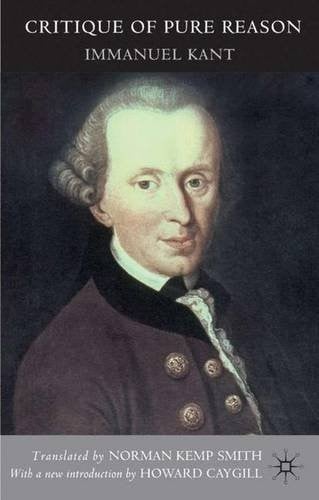
No. 1 on this list. CRITIQUE OF PURE REASON ; TRANSLATED BY NORMAN KEMP SMITH
Immanuel Kant · 1781
Difficult30 hours
It is a required text in nearly every philosophy curriculum and a central work of the Enlightenment. It is taught in epistemology, metaphysics, ethics and aesthetics courses. Few philosophical works are as widely assigned.
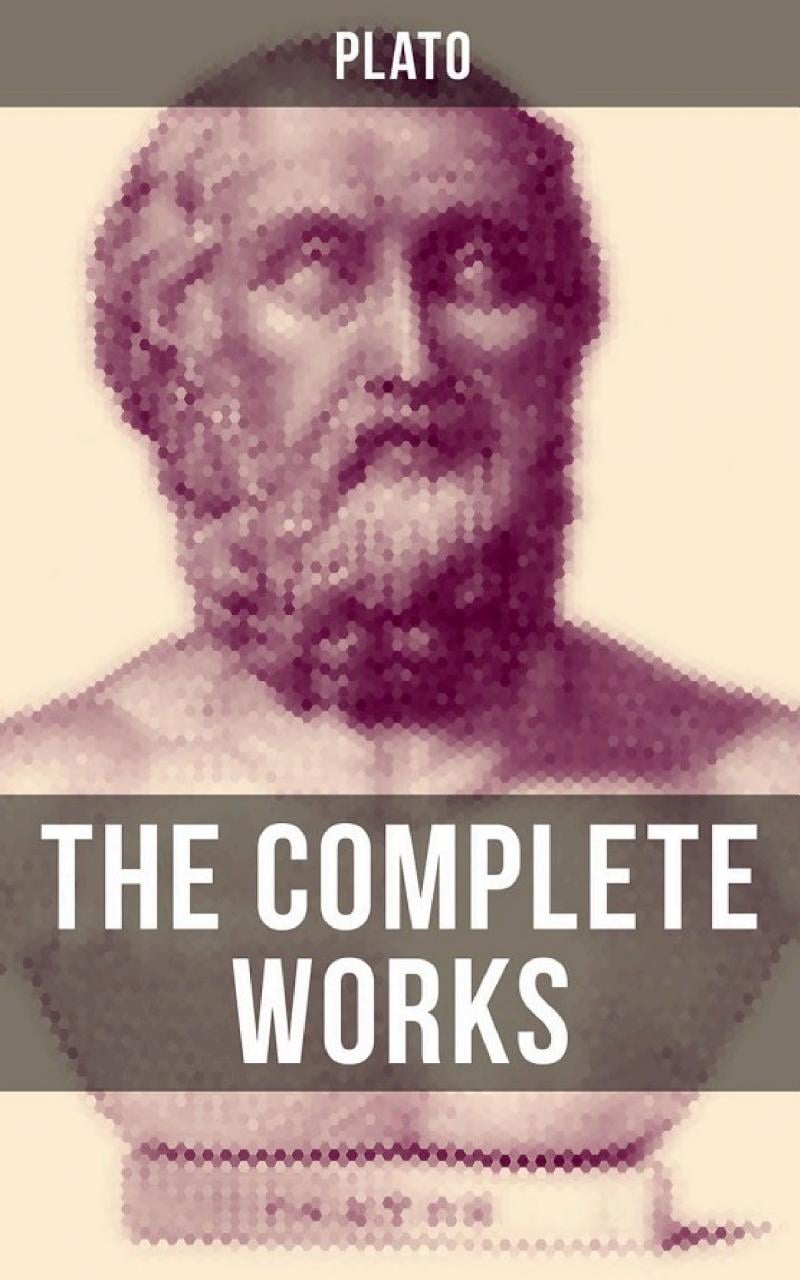
Plato's dialogues are required in philosophy and classics courses everywhere, and the Republic is taught in political theory, education and literature courses. They form a foundation of Western higher education.
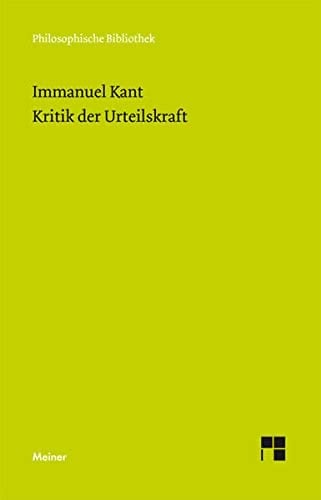
The Critique of Judgment is core curriculum in every philosophy department worldwide, foundational to the discipline of aesthetics, and required reading in the history of modern philosophy. While structured literary-syllabus data is unavailable in the database, its status as one of Kant's three Critiques—alongside the Critique of Pure Reason and Critique of Practical Reason—places it among the canonical texts of Western philosophy. It appears across thousands of university syllabi globally.
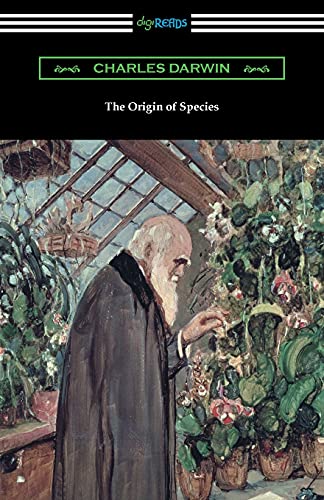
The book is a cornerstone of biology, history of science and Victorian studies, assigned across disciplines worldwide. It is among the most widely taught scientific texts ever written.
The Critique of Pure Reason is a central text of modern Western philosophy and a fixture of philosophy curricula everywhere, studied alongside Descartes, Hume and Hegel. Its arguments on space, time and the categories remain the standard way into Kant and German idealism.
Philosophical Investigations is required reading in virtually every anglophone philosophy department and appears on syllabi for philosophy of language, philosophy of mind, and analytic philosophy courses worldwide. Wikipedia carries a detailed article available in over 50 languages. It is consistently listed among the most important books of the 20th century across disciplinary surveys.
The Summa Theologica is required reading in virtually every Catholic seminary and philosophy of religion program globally, and is foundational in scholastic philosophy curricula. Pope Leo XIII's encyclical Aeterni Patris (1879) formally designated it the basis for Catholic philosophical and theological education worldwide. It is among the most cited texts in Western intellectual history.
Discipline and Punish is required reading in sociology, criminology, philosophy, cultural studies, history, and literary theory courses worldwide. It appears on thousands of university syllabi across disciplines, making it comparable in canonical weight to the most taught works of 20th-century thought. It is considered foundational for understanding modern social institutions across every field of the humanities and social sciences.
Being and Time is required reading in virtually every philosophy curriculum worldwide and stands as one of the most taught works in continental philosophy. It appears on syllabi for philosophy, phenomenology, existentialism, cultural theory, and theology, and has been translated into dozens of languages. Few 20th-century philosophical texts achieve this breadth of curricular presence.
The Meditations is set in nearly every introductory philosophy course and every survey of early modern thought, often as the first primary text students read. Its movement from radical doubt to the proof of an external world is among the most taught arguments in Western philosophy.
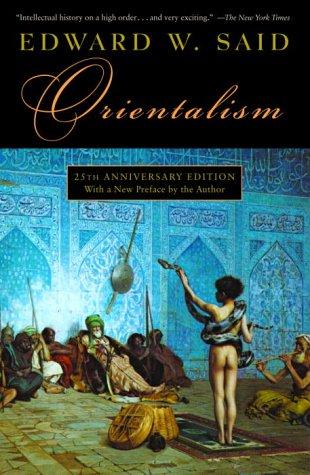
No. 11 on this list. Orientalism · Edward W. Said · 1978
Orientalism is required reading in postcolonial studies, comparative literature, cultural studies, history, and Middle Eastern studies curricula worldwide. It appears on thousands of university syllabi across disciplines and is considered foundational to the field of postcolonial criticism. No academic in the humanities can avoid engagement with Said's argument, making it one of the most canonical critical texts of the late 20th century.
Challenging13 hours
Start this bookNo. 12 on this list. The Prince · Niccolò Machiavelli · 1532
The Prince is required reading in political science, philosophy, history, and humanities curricula worldwide and is among the most widely assigned non-fiction texts in higher education. It appears on every syllabus for political philosophy and political theory, from introductory undergraduate courses to graduate seminars. Few texts of any era command this breadth of curricular presence.
Moderate3.2 hours
Read nowNo. 13 on this list. The Peloponnesian War · Thucydides · c. 411 BCE
A foundation text of Western thought, assigned across classics, history, political science and international relations, and a fixture of Great Books programs. The U.S. Naval War College has built its strategy teaching around it since the 1970s.
Easy12 hours
Read nowNo. 14 on this list. Leviathan · Thomas Hobbes · 1651
Leviathan is a core text of political philosophy, taught in nearly every course on the history of political thought and included in Britannica's Great Books of the Western World. Its picture of life without government as 'solitary, poor, nasty, brutish, and short' is among the most quoted lines in English prose.
Challenging20 hours
Read nowNo. 15 on this list. Nicomachean Ethics · Aristotle · c. 340 BCE
The Nicomachean Ethics is a standard text in introductory and advanced courses on ethics and ancient philosophy around the world. It is among the most read works of Greek philosophy.
Moderate6.3 hours
Read nowNo. 16 on this list. The Interpretation of Dreams · Sigmund Freud · 1899
Freud's founding work of psychoanalysis is taught across psychology, literary theory, philosophy and the history of ideas, and is a standard text in courses on modernism. Few works published around 1900 hold a comparable place across so many disciplines.
Challenging15 hours
Read nowNo. 17 on this list. The History of Sexuality, Volume 1: An Introduction · Michel Foucault · 1976
Required reading in virtually every university gender studies, cultural theory, sociology, and philosophy program in the Western world. No database syllabus data was retrieved, but this text is among the most universally assigned in humanities education globally, appearing on curricula alongside Derrida and Althusser as a foundational poststructuralist text. It is considered indispensable entry-level reading for anyone studying sexuality, power, or discourse.
Difficult7 hours
Start this bookNo. 18 on this list. Capital (Das Kapital) · Karl Marx
Capital is a founding text of economics, sociology, political theory, and history courses worldwide. It is read across disciplines, though more in the social sciences than in literature departments.
Difficult
Start this bookNo. 19 on this list. The Declaration of Independence / The Constitution of the United States · Founding Fathers · 1998
The Declaration and the Constitution are taught in American schools from primary grades through law school and appear in civics and history courses everywhere. They are among the most reprinted and studied texts in the English-speaking world.
Moderate2 hours
Start this bookNo. 20 on this list. Phaedrus · Plato · c. 370 BCE
Plato's Phaedrus is a foundational text in Western philosophy, taught in virtually every philosophy curriculum worldwide from undergraduate ethics to graduate seminars on rhetoric and metaphysics. The dialogue has maintained continuous scholarly presence for 2,400 years, appearing on Open Syllabus lists for philosophy, rhetoric, and classical studies courses across hundreds of institutions. Its Wikipedia article spans over 50 languages for the work as a whole.
Challenging3 hours
Start this book
No. 21 on this list. The Wealth of Nations · Adam Smith · 1776
An Inquiry into the Nature and Causes of the Wealth of Nations (1776) is the founding text of modern economics and a fixture of courses in economics, political philosophy and the history of ideas. It has never been out of print.
Challenging33 hours
Read nowNo. 22 on this list. The Social Contract · Jean-Jacques Rousseau · 1762
The Social Contract (1762) is one of the most taught works of political philosophy, read in courses on democracy, the Enlightenment and the French Revolution. Its opening, 'Man is born free, and everywhere he is in chains', is among the most quoted lines in political writing.
Moderate4 hours
Read nowNo. 23 on this list. Preface to Lyrical Ballads · William Wordsworth · 1800
The Preface to Lyrical Ballads is the founding manifesto of English Romanticism and appears on every university syllabus in Romantic literature, literary theory, and criticism courses. It is required reading in virtually all English literature programs and is cited as the document that defined the terms of English poetry for the 19th century. Its presence in literary education is as reliable as any text in the tradition.
Moderate3.8 hours
Start this bookNo. 24 on this list. Beyond Good and Evil · Friedrich Nietzsche · 1886
Beyond Good and Evil is standard reading in philosophy curricula worldwide and appears on virtually every serious 'books everyone should read' list. While not primarily a literature syllabus fixture, its presence in university courses across disciplines — philosophy, political theory, literary theory, cultural studies — is near-universal. No comparable work of 19th-century philosophy commands broader global readership.
Difficult8 hours
Read nowNo. 25 on this list. The Sacred Wood · T. S. Eliot · 1920
The most influential book of literary criticism in English in the twentieth century. 'Tradition and the Individual Talent' is the single most-taught critical essay.
Challenging3.9 hours
Start this bookNo. 26 on this list. The Gay Science · Friedrich Nietzsche · 1882
The Gay Science introduces 'God is dead' (§125), eternal recurrence (§341), and amor fati — three concepts that reshaped Western intellectual history and appear on virtually every continental philosophy syllabus worldwide. Though the database lacks syllabus count data for this work, the book's Wikipedia article exists in over 50 languages and it is assigned in philosophy, literary theory, theology, and cultural studies courses globally. Its canonical standing in philosophy exceeds most works, comparable to Descartes' Meditations or Kant's Groundwork.
Difficult10 hours
Start this bookNo. 27 on this list. The Bhagavad Gita · Vyasa · c. 200 BCE
It is the most widely read Hindu scripture, a central text in religion and world literature courses, and widely translated. It is read worldwide as a standalone work.
Challenging2 hours
Start this bookNo. 28 on this list. Two Treatises of Government · John Locke · 1689
Two Treatises of Government is a standard text in political philosophy and the history of political thought, assigned alongside Hobbes's Leviathan and Rousseau's Social Contract on courses worldwide. The Second Treatise in particular is treated as essential reading on consent, property and the right of revolution.
Moderate6.7 hours
Read nowNo. 29 on this list. Three Essays on the Theory of Sexuality · Sigmund Freud · 1905
Three Essays on the Theory of Sexuality is a foundational text in psychology, psychoanalysis, sexuality studies, and cultural theory curricula worldwide. Listed among Le Monde's 100 Books of the Century (1999), the Open Syllabus Top 500 in Literature, and available on Wikipedia in 20 languages. Taught in psychology, philosophy, literature, gender studies, and history of science courses, it is considered inescapable for anyone studying psychoanalysis or the history of sexuality.
Challenging4.9 hours
Start this bookNo. 30 on this list. The Federalist Papers · Alexander Hamilton · 1788
The foundational text of American constitutional theory, cited by the Supreme Court.
Moderate14 hours
Start this book
No. 31 on this list. On the Genealogy of Morality
Friedrich Nietzsche · 1887
No. 32 on this list. An Enquiry Concerning Human Understanding
David Hume · 1748
No. 33 on this list. Utilitarianism
John Stuart Mill · 1863
No. 34 on this list. The Decline and Fall of the Roman Empire
Edward Gibbon · 1776
No. 35 on this list. The Protestant Ethic and the Spirit of Capitalism
Max Weber · 1905
No. 36 on this list. The Total Library: Non-Fiction, 1922–1986
Jorge Luis Borges · 1999
No. 37 on this list. Discourse on Inequality
Jean-Jacques Rousseau · 1755
No. 38 on this list. Walden or, Life in the Woods
No. 39 on this list. Self-Reliance and Other Essays
Ralph Waldo Emerson · 1841
No. 40 on this list. The Sickness Unto Death
Søren Kierkegaard · 1849
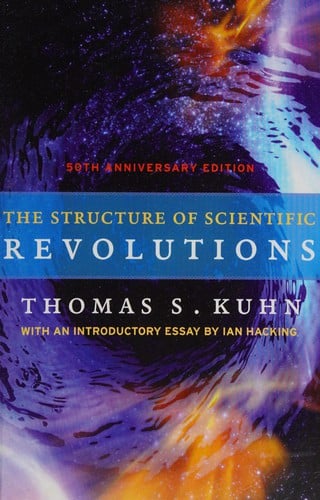
No. 41 on this list. The Structure of Scientific Revolutions
Thomas S. Kuhn · 1962
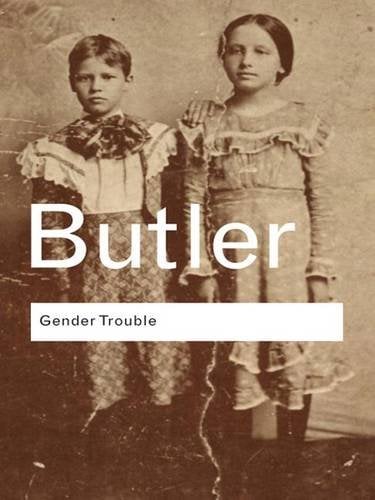
No. 42 on this list. Gender Trouble: Feminism and the Subversion of Identity
Judith Butler · 1990
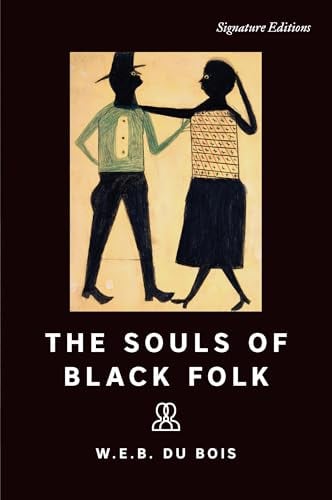
No. 43 on this list. The Souls of Black Folk
W. E. B. Du Bois · 1903
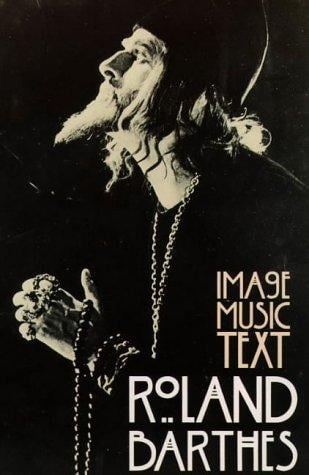
No. 44 on this list. Image-Music-Text
Roland Barthes · 1977
No. 45 on this list. The Ethics (Ethica Ordine Geometrico Demonstrata) by Benedict de Spinoza
No. 46 on this list. Black Skin, White Masks
Frantz Fanon · 1952
No. 47 on this list. Discourses on Livy
Niccolò Machiavelli · 1531
No. 48 on this list. Self-Reliance and Other Essays (Dover Thrift Editions: Philosophy)
No. 49 on this list. The Arcades Project
No. 50 on this list. Postmodernism, or, The Cultural Logic of Late Capitalism
Fredric Jameson · 1991

No. 51 on this list. The Psychopathology of Everyday Life
Sigmund Freud · 1901
No. 52 on this list. The Myth of Sisyphus, and Other Essays
Albert Camus · 1942
No. 53 on this list. The United States Constitution
Founding Fathers · 2011
No. 54 on this list. The Gulag Archipelago
Aleksandr Solzhenitsyn · 1973
No. 55 on this list. Anti-Oedipus
Gilles Deleuze · 1972
No. 56 on this list. Democracy in America
Alexis de Tocqueville · 1835
No. 57 on this list. Selections from the Prison Notebooks
Antonio Gramsci · 1948
No. 58 on this list. Dialectic of Enlightenment
Theodor W. Adorno · 1944
No. 59 on this list. Fear and Trembling
Søren Kierkegaard · 1843
No. 60 on this list. The Wretched of the Earth
Frantz Fanon · 1961

No. 61 on this list. Night
Elie Wiesel · 1960
No. 62 on this list. Either/Or: A Fragment of Life
No. 63 on this list. The Origins of Totalitarianism
Hannah Arendt · 1951
No. 64 on this list. The Second Sex
Simone de Beauvoir · 1949
No. 65 on this list. Walden; Or, Life in the Woods Publisher: Dover Publications; Unabridged edition
No. 66 on this list. Phenomenology of Perception
Maurice Merleau-Ponty · 1945
No. 67 on this list. Theogony/Works and Days
No. 68 on this list. Aesthetic Theory
Theodor W. Adorno · 1970
No. 69 on this list. Essays
Michel de Montaigne · 1580
No. 70 on this list. The Fire Next Time
James Baldwin · 1963

No. 71 on this list. Walden
Henry David Thoreau · 1854
No. 72 on this list. I Know Why the Caged Bird Sings
Maya Angelou · 1969
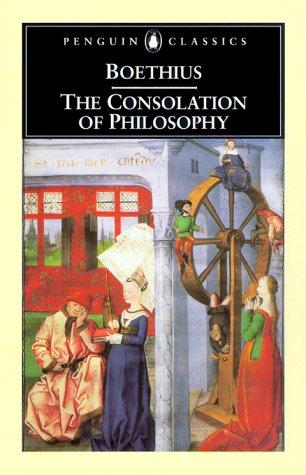
No. 73 on this list. The Consolation of Philosophy
Boethius · 524
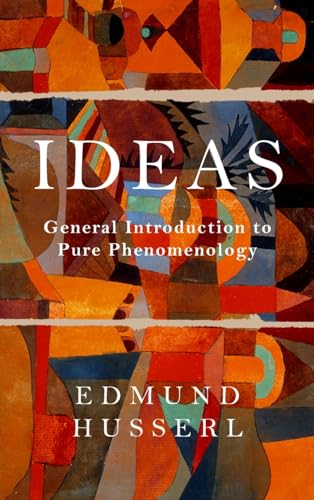
No. 74 on this list. Ideas
Edmund Husserl · 1962
No. 75 on this list. Seven Types of Ambiguity
William Empson · 1930
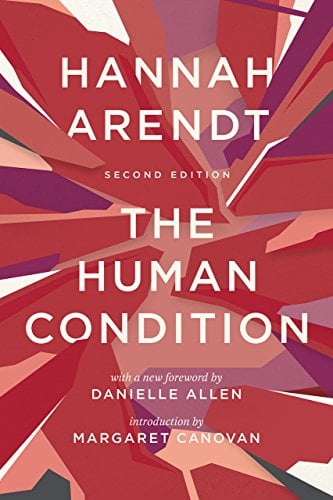
No. 76 on this list. The Human Condition
Hannah Arendt · 1958
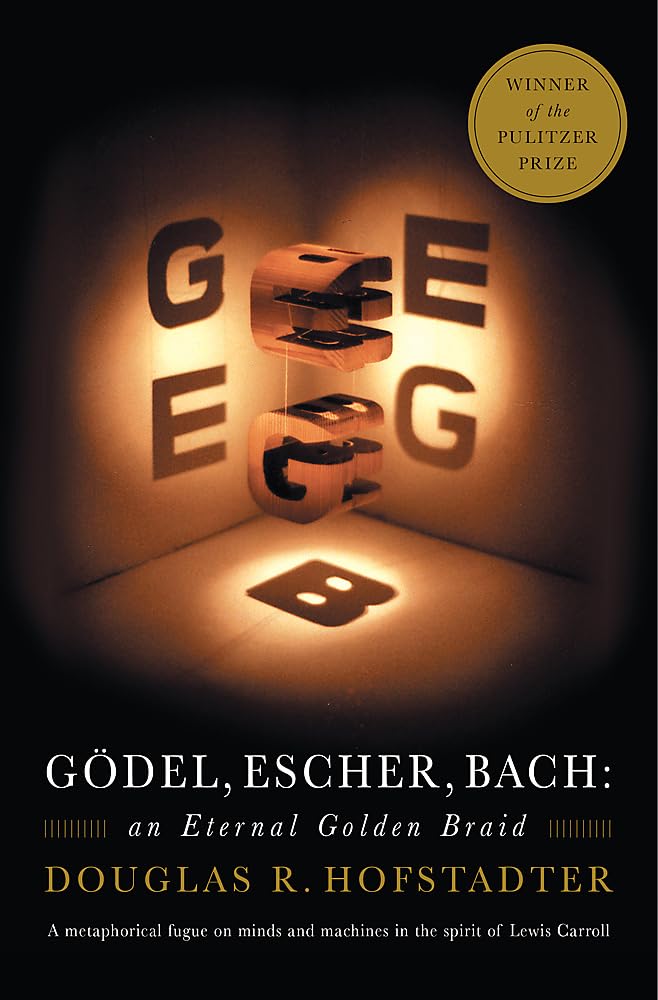
No. 77 on this list. Gödel, Escher, Bach: An Eternal Golden Braid
Douglas R. Hofstadter · 1979
No. 78 on this list. The Story of Art
E.H. Gombrich · 1950
No. 79 on this list. Ars Poetica
Horace · c. 19 BCE
No. 80 on this list. On Photography
Susan Sontag · 1977
No. 81 on this list. The General Theory of Employment, Interest and Money
John Maynard Keynes · 1936
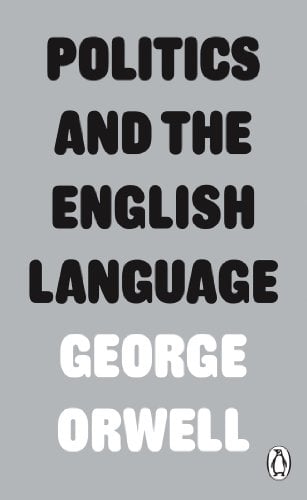
No. 82 on this list. Politics and the English Language
George Orwell · 1946
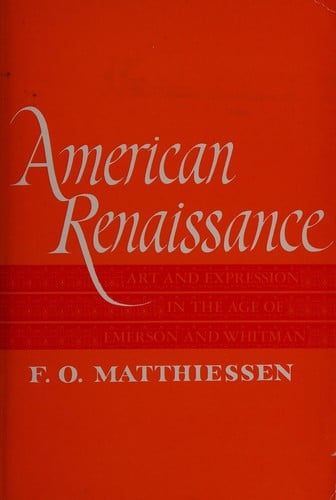
No. 83 on this list. The American Renaissance: Art and Expression in the Age of Emerson and Whitman
F.O. Matthiessen · 1941
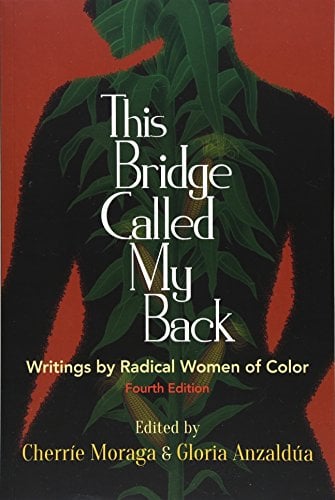
No. 84 on this list. This Bridge Called My Back
Cherrie Moraga · 1981
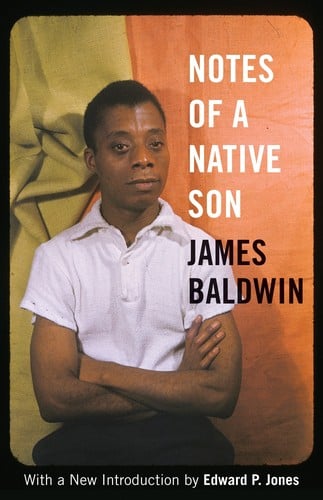
No. 85 on this list. Notes of a Native Son
James Baldwin · 1955
No. 86 on this list. Bodies That Matter
Judith Butler · 1993
No. 87 on this list. The Poetry of Du Fu
No. 88 on this list. The Logic of Scientific Discovery
Karl Popper · 1934
No. 89 on this list. The Histories
Herodotus · c. 430 BCE
No. 90 on this list. The Lives of the Artists
Giorgio Vasari · 1550
No. 91 on this list. Brihadaranyaka Upanishad
No. 92 on this list. Argonauts of the Western Pacific
Bronisław Malinowski · 1922
No. 93 on this list. The Presentation of Self in Everyday Life
Erving Goffman · 1956
No. 94 on this list. Hiroshima
John Hersey · 1946
No. 95 on this list. Confessions
Jean-Jacques Rousseau · 1782
No. 96 on this list. I Ching: The Book of Changes
No. 97 on this list. On Certainty
Ludwig Wittgenstein · 1969
No. 98 on this list. The Power Broker
Robert A. Caro · 1974
No. 99 on this list. After Virtue
Alasdair MacIntyre · 1981
No. 100 on this list. Sand County Almanac
Aldo Leopold · 1949
About this list
These 100 books are the highest-scoring eligible nonfiction books currently in the catalogue. About 1,482 hours of reading in all, for the 97 with measured lengths. Difficulty runs from 51 to 71 out of 100 for the middle half of the list; the summit is Aesthetic Theory at 91.
This list is ranked by literary regard, with a consistent order for equal scores. Membership follows authors and co-authors, not translators or editors. Catalogue coverage and the historical canon both limit what this list can represent, and genre labels are the catalogue’s own, gathered into broader kinds.
When we matched the Canons dataset to our catalogue in October 2026, our canonical-status scores rose with the number of school curricula, publisher series and lists in it that cite a work: the median score was 72 for books one such source cites, 84 at two, 88 at three, 92 at four and 93 at five or more. Prizes are left out of that count. Outside the state curricula, the dataset’s sources choose mostly from what has been translated into English or French, so it is a weaker check on other literatures. Source: Canons (Andrew Piper), CC BY 4.0
Questions people actually ask
- What are the best nonfiction books?
- By literary regard, which weighs canonical status, critical standing and influence: CRITIQUE OF PURE REASON ; TRANSLATED BY NORMAN KEMP SMITH by Immanuel Kant, The Complete Works of Plato by Plato, Critique of Judgment by Immanuel Kant, The Origin of Species by Charles Darwin and Critique of Pure Reason by Immanuel Kant. ReadingRate ranks 100 such books, each with a difficulty score and a reading-time estimate.
- Which nonfiction books should I read first?
- Start from difficulty, not from rank. The most approachable books on this list that still carry top literary regard are Politics and the English Language by George Orwell (about 16 min), The Peloponnesian War by Thucydides and Hiroshima by John Hersey.
- What are the shortest of the best nonfiction books?
- Among the top 25, the shortest are Meditations on First Philosophy by René Descartes (about 1.6 hours), The Declaration of Independence / The Constitution of the United States by Founding Fathers (about 2 hours) and Phaedrus by Plato (about 3 hours), at an average pace of 250 words a minute adjusted for each book's difficulty.
- Which of the best nonfiction books are the established classics?
- By canonical status, how firmly a book sits in curricula, anthologies and the canon: The Complete Works of Plato by Plato, CRITIQUE OF PURE REASON ; TRANSLATED BY NORMAN KEMP SMITH by Immanuel Kant, Summa Theologica by Thomas Aquinas, The Federalist Papers by Alexander Hamilton and Critique of Judgment by Immanuel Kant.
- Can I read any of these nonfiction books for free?
- 20 of the 100 open in ReadingRate's reader with a free account, from public-domain editions: Critique of Pure Reason, The Prince, The Peloponnesian War, Leviathan, Nicomachean Ethics and 15 more.
- How long would it take to read the top ten?
- About 280 hours for the 9 with measured lengths, at an average pace of 250 words a minute adjusted for each book's difficulty: 141 days at two hours a day. Set your own pace on the page and the list's reading times change to it.
- How hard are nonfiction books to read?
- Most of this list sits between 51 and 71 on ReadingRate's 100-point difficulty scale, where 40 to 55 is moderate. The summit is Aesthetic Theory at 91. Every entry carries its own score, so a reader can pick a great book at a difficulty they will finish.
- How is this list ranked?
- On literary-regard data: how canonically established a work is, its critical standing, and its influence on later writing. It is not a readers’ poll, which is why recent bestsellers rarely appear. Membership follows authors and co-authors, not translators or editors. Lists by country, author, period, theme or difficulty keep to literature: fiction, poetry and drama, with no philosophy, criticism or theory. A list of a kind of book, such as philosophy, memoir or criticism, keeps every book of that kind. Every list holds at most three works by one author.