Hours at an average pace
Showing 100 books
About 982 hours for 98 of 100 books with measured lengths. Estimates use 250 words a minute, adjusted for each book's difficulty. At 2 hours a day, about 491 days for those books.
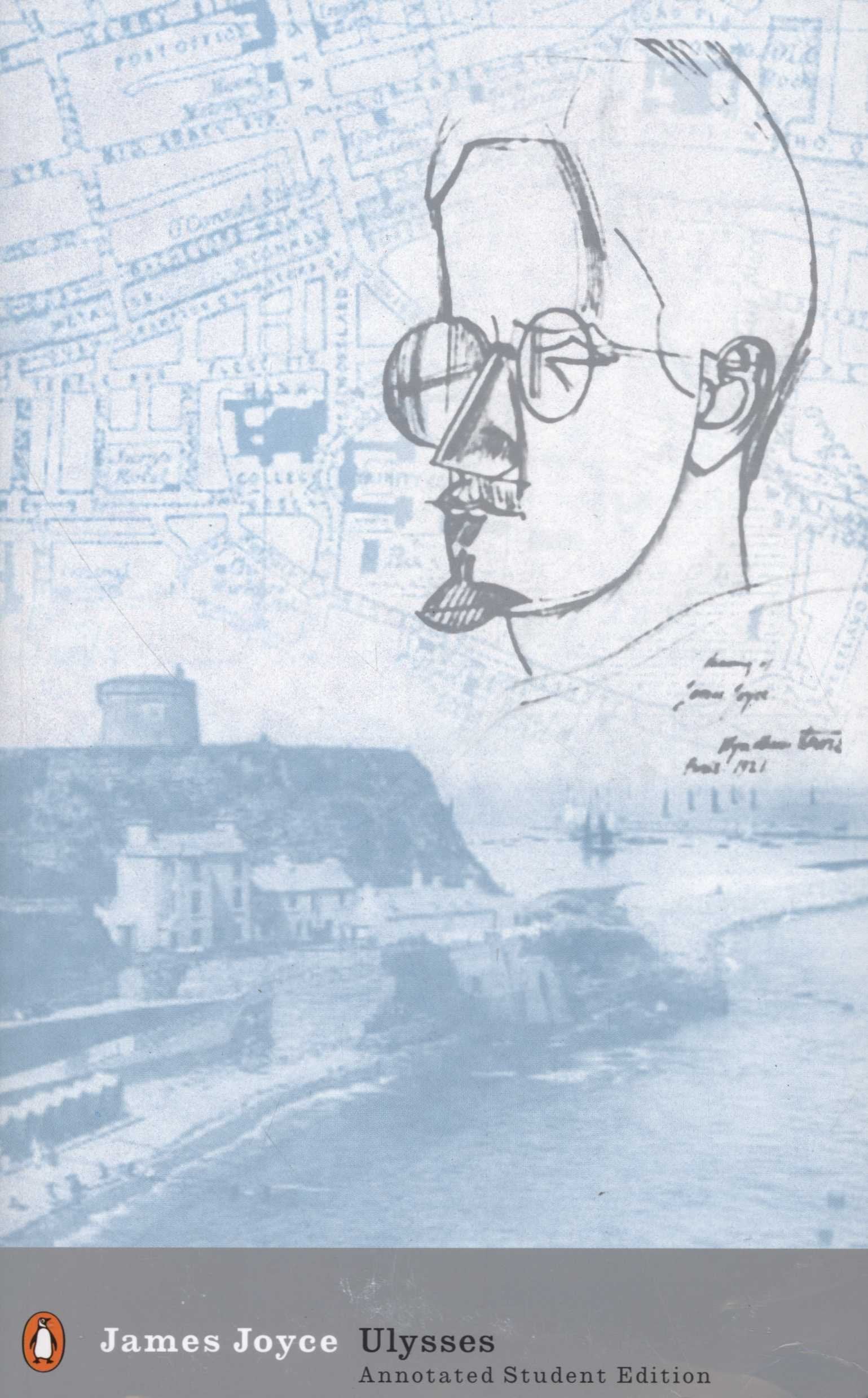
Ulysses appears on 1,017 university syllabi (75th percentile, Open Syllabus Project) and features on the Modern Library's #1 Best Novels list, Le Monde's 100 Books of the Century, TIME's All-TIME 100 Novels, and the BBC Big Read. Wikipedia covers it in 36 languages. Published in Everyman's Library and Penguin Classics, it has maintained continuous academic circulation since its 1934 US publication.
No. 2 on this list. ULYSSES (The Original 1922 Edition): Enriched edition. A Modernist Dublin Day of Stream-of-Consciousness, Identity, and Odyssey Echoes
Very Difficult26 hours
It is the defining modernist text, taught in virtually every twentieth-century literature course and routinely ranked among the greatest novels.
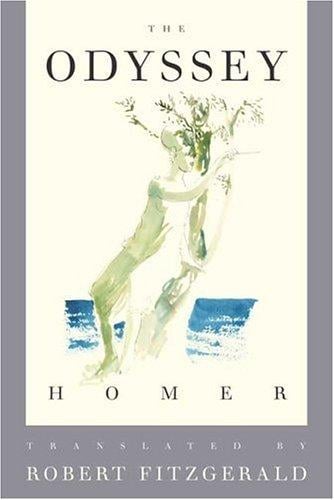
No. 3 on this list. The Odyssey. Translated by Robert Fitzgerald. With Drawings by Hans Erni
Moderate
The Odyssey is a founding text of Western literature, taught across curricula in classics, world literature and great-books programs. Fitzgerald's 1961 translation is a standard classroom edition.
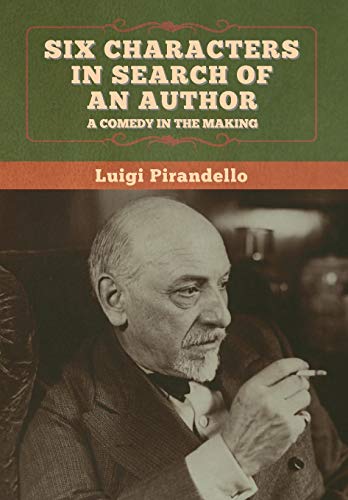
No. 4 on this list. Six Characters in Search of an Author
Luigi Pirandello · 1921
Challenging1.9 hours
Pirandello sent six fictional characters onto a stage to confront the actors rehearsing their story, detonating the boundary between author, character, and performer decades before anyone used the word "metafiction." The play asked who owns a story — the person who wrote it or the person who lives it — and left the question permanently unresolved.
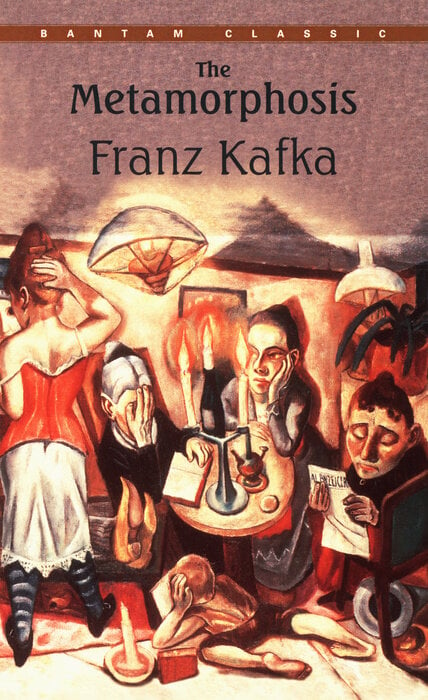
The Metamorphosis is taught widely in high school and university world literature courses, and Kafka's name gave 'Kafkaesque' to the language. This edition is a modern collection of well-established works. It stands near The Great Gatsby in classroom ubiquity.
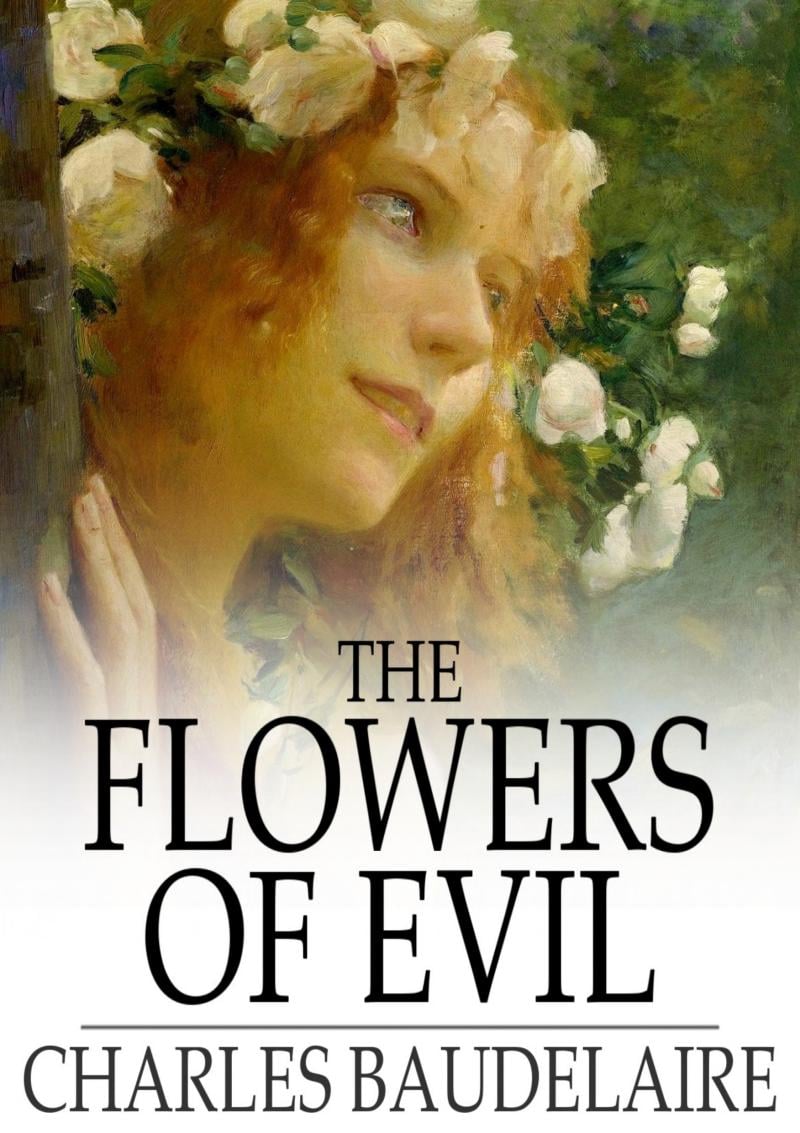
Les Fleurs du mal is a foundation of modern poetry, taught across French literature, comparative literature and poetry courses worldwide. Its 1857 obscenity trial is part of literary history.
The Metamorphosis is one of the most taught works of modern fiction, found in world literature and German courses everywhere. This annotated 2020 edition is a reissue of that canonical text.
Twelfth Night is among the most widely taught and performed Shakespeare comedies and a near-universal fixture in secondary school and university Shakespeare curricula. Its themes of disguise, gender ambiguity, and unrequited love have made it a central text in gender studies, queer theory, and Renaissance drama courses. It appears on more syllabi than any other Shakespeare comedy except perhaps A Midsummer Night's Dream.
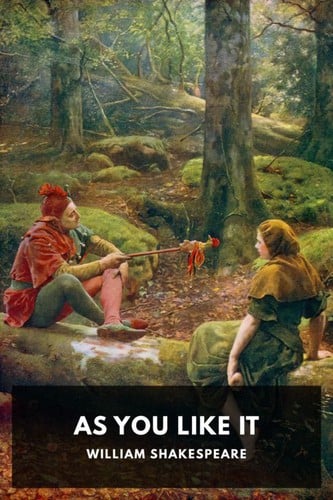
As You Like It appears on thousands of university syllabi worldwide and is regularly staged by major theater companies. Its central monologue — 'All the world's a stage' — is among the most quoted passages in English literature, cementing its place in the core Shakespeare canon alongside Hamlet and Midsummer Night's Dream.
Frost appears on virtually every American high school and university English curriculum. 'The Road Not Taken,' 'Mending Wall,' and 'Stopping by Woods on a Snowy Evening' are among the most-taught poems in the English language, and the Collected Poems is the standard edition used in academic settings. His work is a fixture of the canon in a way shared by almost no other 20th-century American poet.


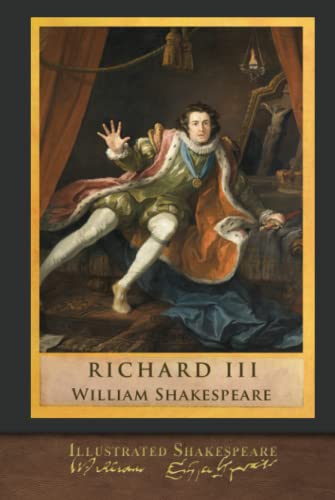
No. 11 on this list. Richard III · William Shakespeare · 1597
Richard III is among the most frequently performed Shakespeare plays and a staple of secondary school and university curricula worldwide. Its opening monologue — 'Now is the winter of our discontent' — is among the most memorized passages in English literature. The play appears on virtually every Shakespeare survey and features in courses on history plays, villainy, and political drama.
Challenging2.8 hours
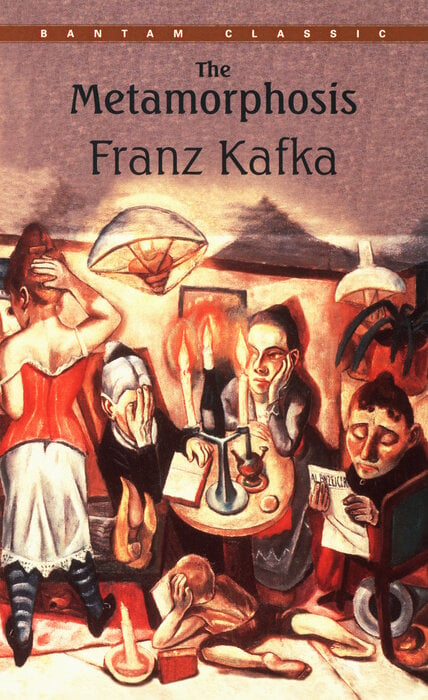
Read nowNo. 12 on this list. The Metamorphosis · Franz Kafka · 1915
The Metamorphosis appears in Wikipedia across 70 languages and has been in continuous print for over a century via Penguin Modern Classics and dozens of other prestige publishers. It is taught in comparative literature, modernism, and world literature courses at universities globally. The Open Syllabus data (0 appearances) likely reflects the novella being assigned within collected editions rather than as a standalone text.
Moderate1.4 hours
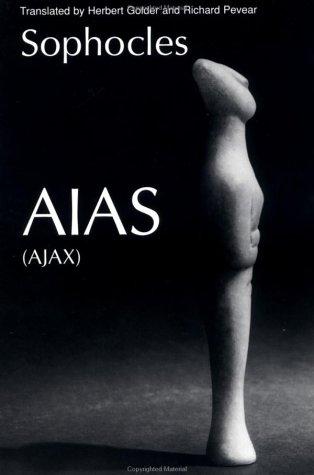
Read nowNo. 13 on this list. Ajax · Sophocles · c. 450 BCE
Ajax is required reading in classical studies and Greek tragedy courses worldwide, representing one of only seven surviving plays by Sophocles. As part of the canonical triumvirate of Greek tragedians alongside Aeschylus and Euripides, Sophocles's works — including Ajax — appear on syllabi in classics, comparative literature, and world literature programs across every major university. The play has been in continuous circulation for over 2,400 years.
Challenging56 min
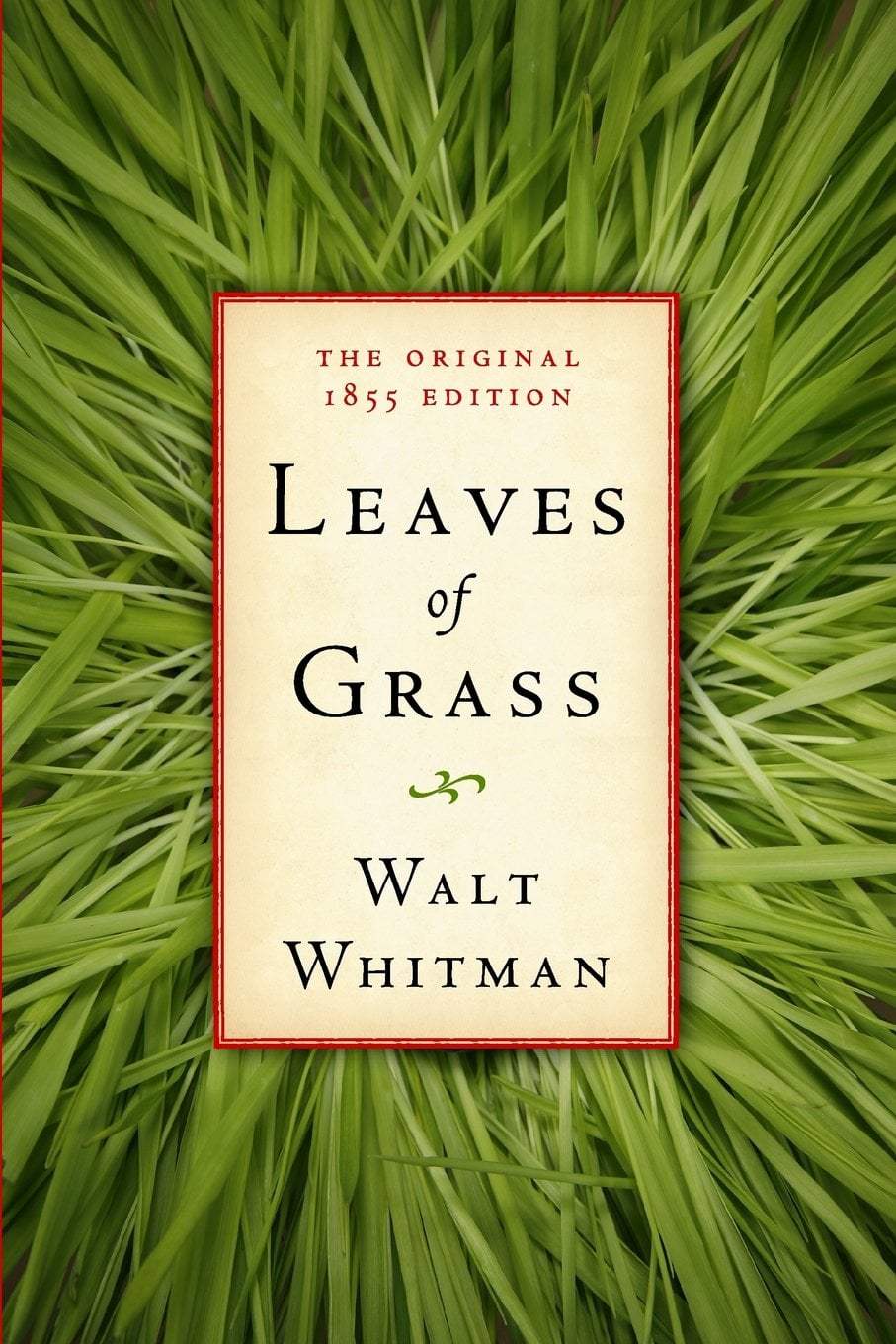
Read nowNo. 14 on this list. Leaves of Grass · Walt Whitman · 1855
Whitman's opening salvo—"I celebrate myself, and sing myself"—broke every rule of Victorian verse: no fixed meter, no rhyme, no inherited diction, just the American vernacular cataloging dockworkers, prostitutes, and prairies in ecstatic cadences. Every free-verse poet since writes in the wake of this book.
Moderate9 hours
Read nowNo. 15 on this list. The Bacchae · Euripides · c. 405 BCE
One of 18 surviving tragedies from Euripides, performed continuously since antiquity. Central to Greek drama syllabi worldwide, frequently translated and adapted (including Dionysus in 69, The Bacchae 2.1). Essential text for understanding both Greek tragedy's development and the cultural conflicts of 5th-century Athens. Influenced later treatments of divine-human conflict from Ovid's Metamorphoses to modern drama.
Moderate1.3 hours
Read nowNo. 16 on this list. The Bourgeois Gentleman · Molière · 1670
Le Bourgeois Gentilhomme is required reading in French literature courses worldwide and appears in virtually every major world drama anthology. Commissioned by Louis XIV for the royal court in 1670, it has remained one of Molière's most performed plays for over three and a half centuries, cementing its place among the indispensable works of European theater.
Moderate1.2 hours
Start this bookNo. 17 on this list. Frankenstein or, The Modern Prometheus · Mary Shelley
Taught on college syllabi since the 1960s and now a fixture of Romantic, Gothic and science fiction courses, with a vast adaptation history. It is a defining Gothic and science fiction text.
Challenging6.3 hours
Start this bookNo. 18 on this list. Peer Gynt · Henrik Ibsen · 1867
Peer Gynt is a cornerstone of the Scandinavian theatrical canon and is regularly staged worldwide, from the National Theatre to major European opera houses. Edvard Grieg's 1876 incidental music gave the work cultural reach extending far beyond theatre audiences. It appears on world drama syllabi internationally and is central to any survey of 19th-century European literature.
Challenging4 hours
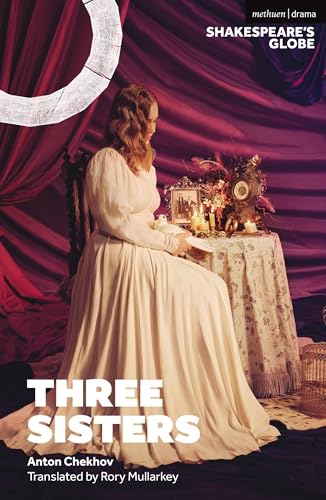
Start this bookNo. 19 on this list. Three Sisters · Anton Chekhov · 1901
Taught in every course on modern drama and staged continuously by major companies since its 1901 Moscow Art Theatre premiere. The sisters' longing for Moscow is one of the best-known situations in world theatre.
Challenging2.4 hours
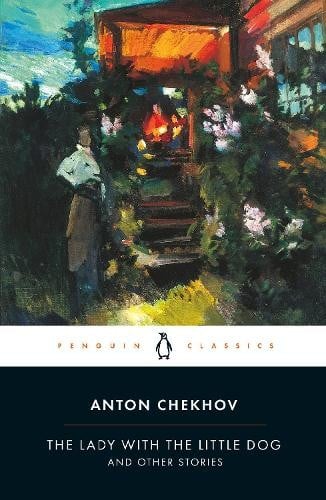
Read nowNo. 20 on this list. The Lady with the Dog · Anton Chekhov · 1899
Among the most anthologized and taught short stories in any language, a staple of fiction courses and writing workshops. It is frequently named as the greatest short story ever written.
Challenging32 min
Read now
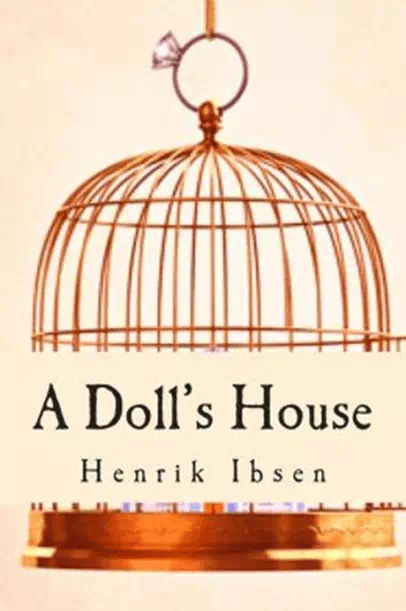
No. 21 on this list. A Doll's House · Henrik Ibsen · 1879
Ibsen made a wife walk out on her husband and children in the final scene, and the sound of that door slamming ricocheted across Europe, igniting debates about marriage, autonomy, and women's legal personhood that reshaped law and culture for the next century. The play invented modern social drama by treating a domestic argument as a political event.
Moderate1.8 hours
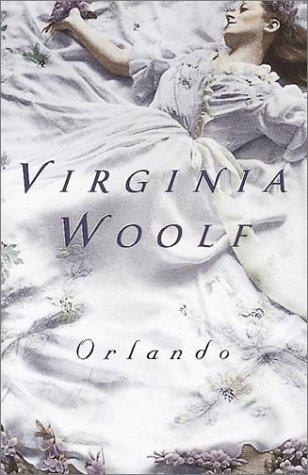
Read nowNo. 22 on this list. Orlando · Virginia Woolf · 1928
Orlando appears on university syllabi worldwide in modernist literature, gender studies, feminist theory, and LGBTQ+ studies courses — one of the few novels to anchor multiple disciplines simultaneously. It features on Modern Library's 100 Best Novels list and is discussed in virtually every survey of 20th-century British fiction. Woolf's stature guarantees its place in the canon regardless of pedagogical fashion.
Moderate5.2 hours
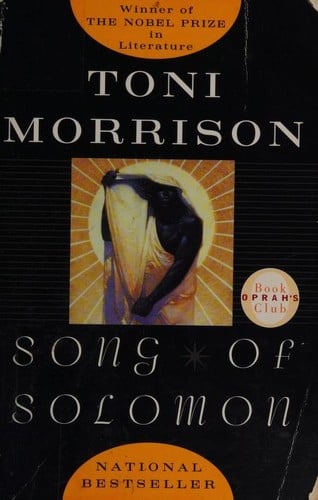
Start this bookNo. 23 on this list. Song of Solomon · Toni Morrison · 1977
Morrison sent a young Black man on a mythic quest through four generations of his family's buried history, fusing African-American folklore, biblical allusion, and the cadences of blues and gospel into a narrative structure no American novel had attempted before. The novel proved that flight — literal and metaphorical — could carry the full weight of Black American experience from slavery to self-knowledge.
Challenging12 hours
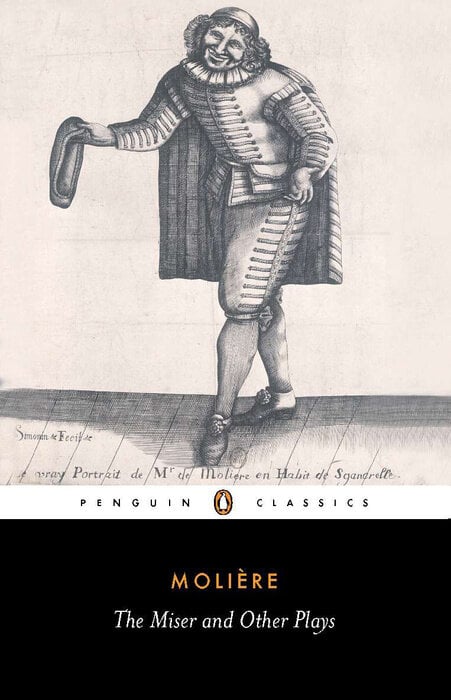
Start this bookNo. 24 on this list. The Miser · Molière · 1668
The Miser is a staple of French literature and world theater curricula across universities globally, ranking among the most performed and studied comedies of the Western canon. While no syllabus count is in the database, it appears consistently on comparative literature, French studies, and drama course lists. Its presence in world literature anthologies across dozens of languages reflects its canonical standing.
Moderate1.4 hours
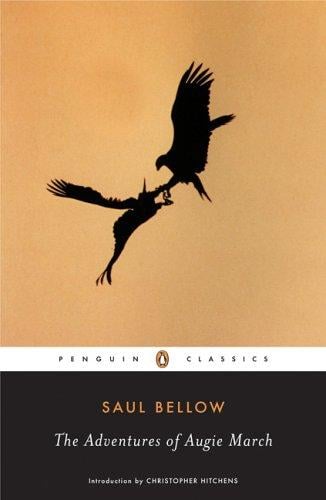
Start this bookNo. 25 on this list. The Adventures of Augie March · Saul Bellow · 1954
Bellow opened the floodgates of American prose with a first sentence — "I am an American, Chicago born" — that declared the immigrant son's right to the whole language, high and low, lyrical and street-smart, in a single breath. The novel proved that the American picaresque could carry philosophical weight without sacrificing velocity, and it liberated a generation of novelists from Hemingway's tight-lipped restraint.
Challenging19 hours
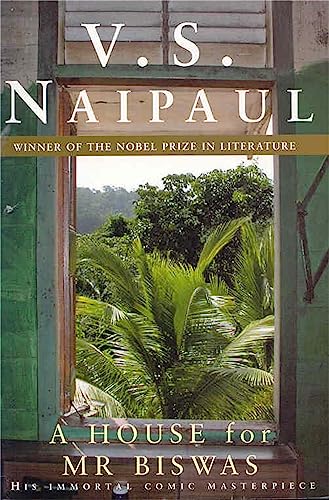
Start this bookNo. 26 on this list. A House for Mr. Biswas · V.S. Naipaul · 1961
Naipaul tracked one man's forty-year struggle to own a house of his own in colonial Trinidad, and by treating that modest ambition with the gravity of epic, wrote the definitive novel about the immigrant's war between dignity and dispossession. Mr. Biswas's defeats are so granular and so cumulative that the house, when it finally comes, means more than any literary symbol has a right to.
Moderate13 hours
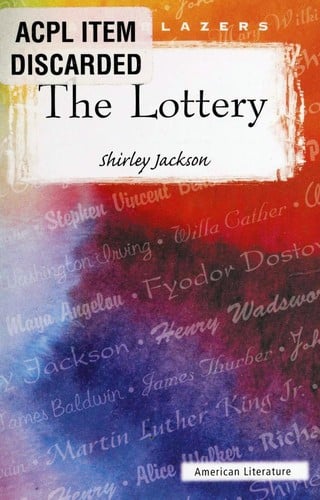
Start this bookNo. 27 on this list. The Lottery · Shirley Jackson · 1948
A woman spends her wedding day waiting for a groom who never comes, then follows his trail through florists and shoeshine stands to a door that never opens. A man makes a perfect cherry pie, sets his table with careful silverware, and watches a stranger walk out of his apartment wearing his life. A village gathers on a sunny June morning for its annual lottery, children stuffing their pockets with stones. Shirley Jackson published these twenty-five stories in 1949, and the title story provoked more mail to The New Yorker than anything the magazine had ever printed. Readers recognized something they had been trying not to see. Jackson's territory is the ordinary moment that turns: the neighborly conversation hiding menace, the polite smile concealing theft, the cheerful community ritual ending in murder. Her prose is clean and precise, her settings are kitchens and drugstores and bus stations, her people are women shopping and men commuting and children playing. The horror lives in the gap between the surface calm and what it covers. No one in American fiction has mapped that gap with such economy or such dread.
Moderate5.6 hours
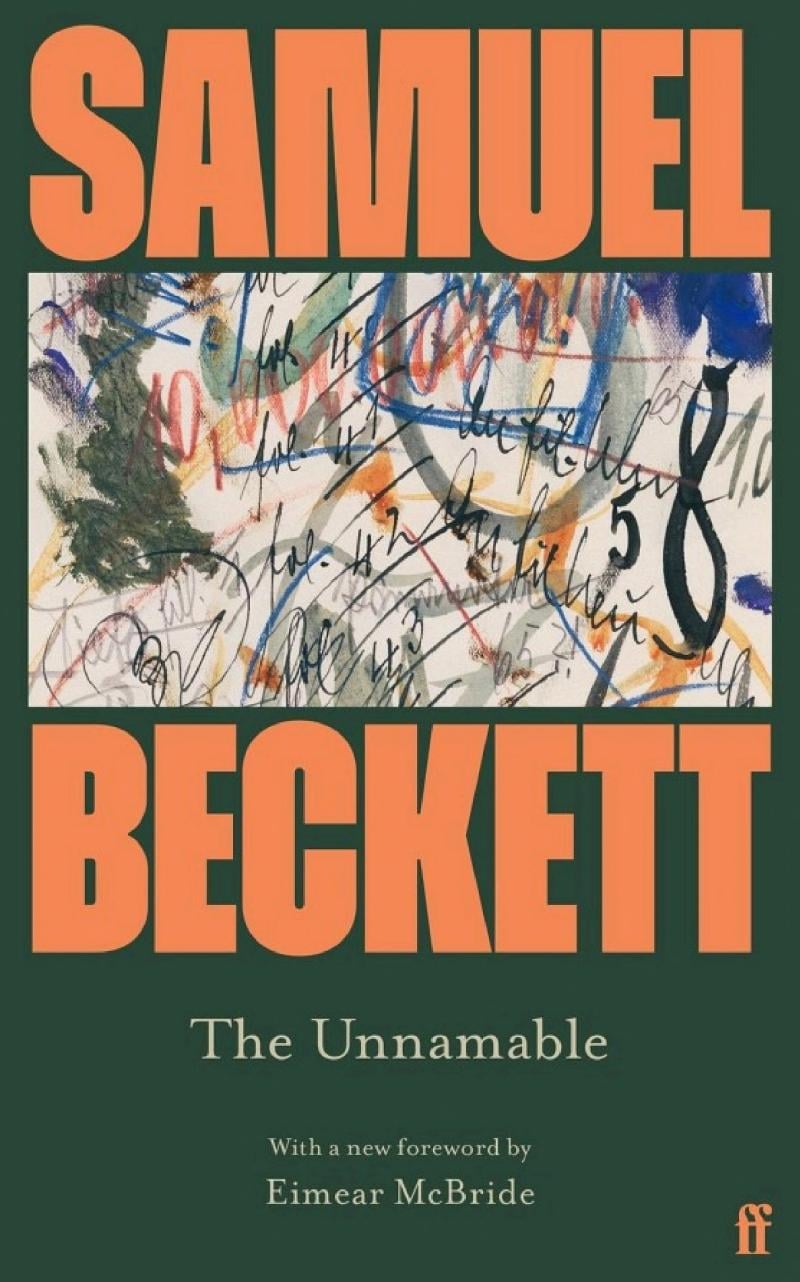
Start this bookNo. 28 on this list. The Unnamable · Samuel Beckett · 1953
The Unnamable is taught in advanced modernism, postmodernism, and philosophy-of-language courses at universities worldwide, though less universally than Waiting for Godot. It anchors the Beckett Trilogy, which is among the canonical texts of twentieth-century literature in English and French. The Wikipedia and syllabus data signals appear underreported for this work.
Difficult27 hours
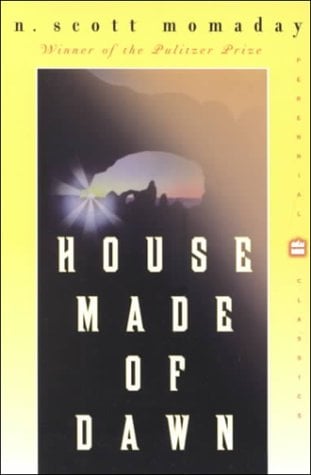
Start this bookNo. 29 on this list. House Made of Dawn · N. Scott Momaday · 1969
House Made of Dawn appears on virtually every Native American literature syllabus and most American literature surveys covering the post-1960 period. It is the foundational text of the Native American literary renaissance and required reading in courses on multicultural American literature, modernism, and postwar fiction.
Challenging5.6 hours
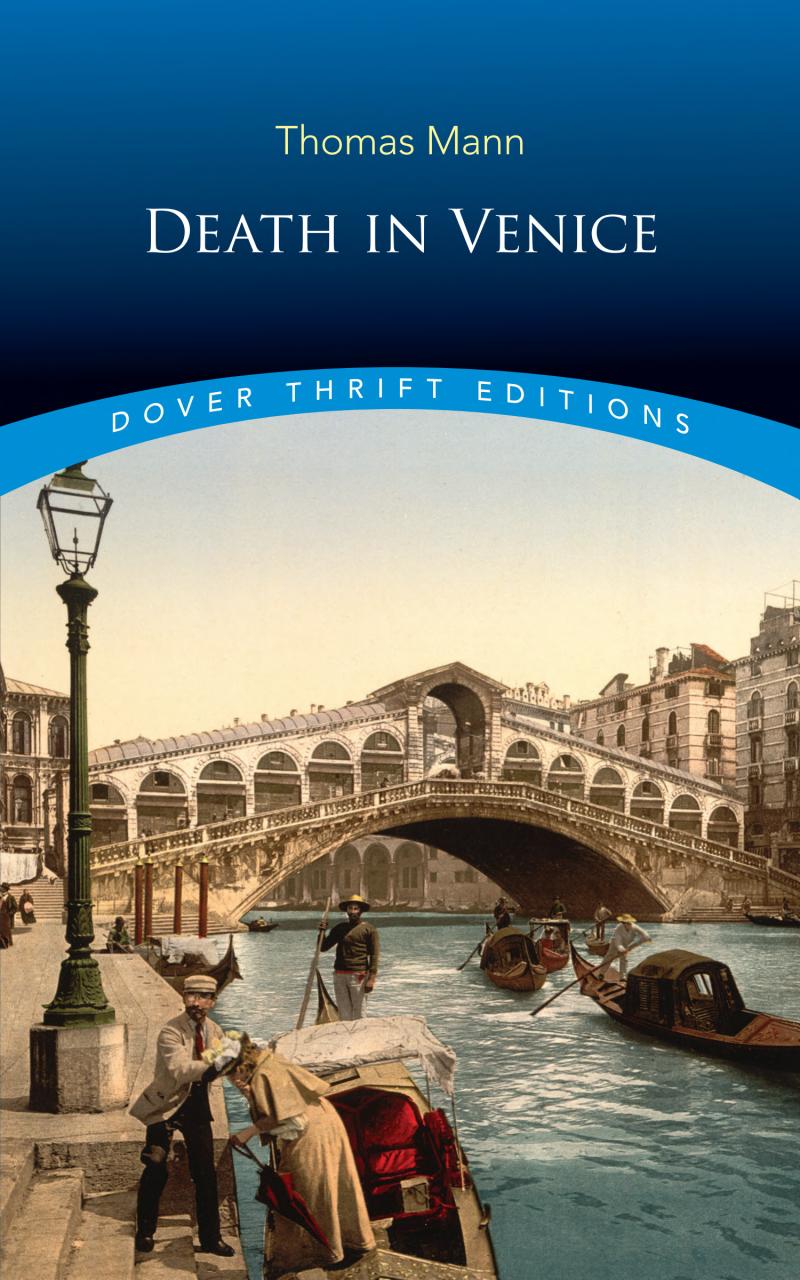
Start this bookNo. 30 on this list. Death in Venice · Thomas Mann · 1912
Death in Venice appears on virtually every German literature, European modernism, and queer theory university syllabus taught in the English-speaking world. It is a standard text in comparative literature programs alongside Kafka's Metamorphosis and Rilke's Duino Elegies. Wikipedia maintains articles on the novella in over 50 languages, and it features on most 'essential modern literature' lists.
Challenging11 hours
Read now
No. 31 on this list. Collected Stories
William Faulkner · 1951
No. 32 on this list. The Prelude
William Wordsworth · 1850
No. 33 on this list. The New York Trilogy
Paul Auster · 1987
No. 34 on this list. Jane Eyre
Charlotte Brontë · 1847
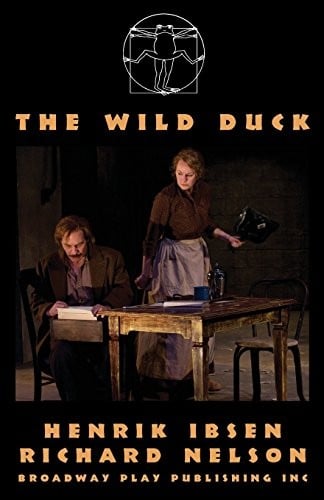
No. 35 on this list. The Wild Duck
Henrik Ibsen · 1884
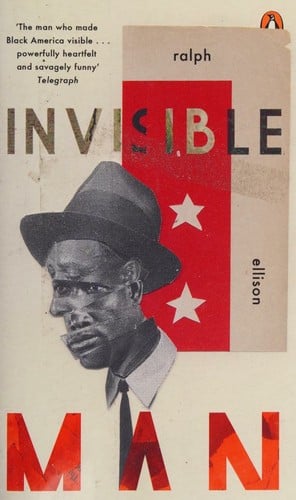
No. 36 on this list. Invisible Man
Ralph Ellison · 1953
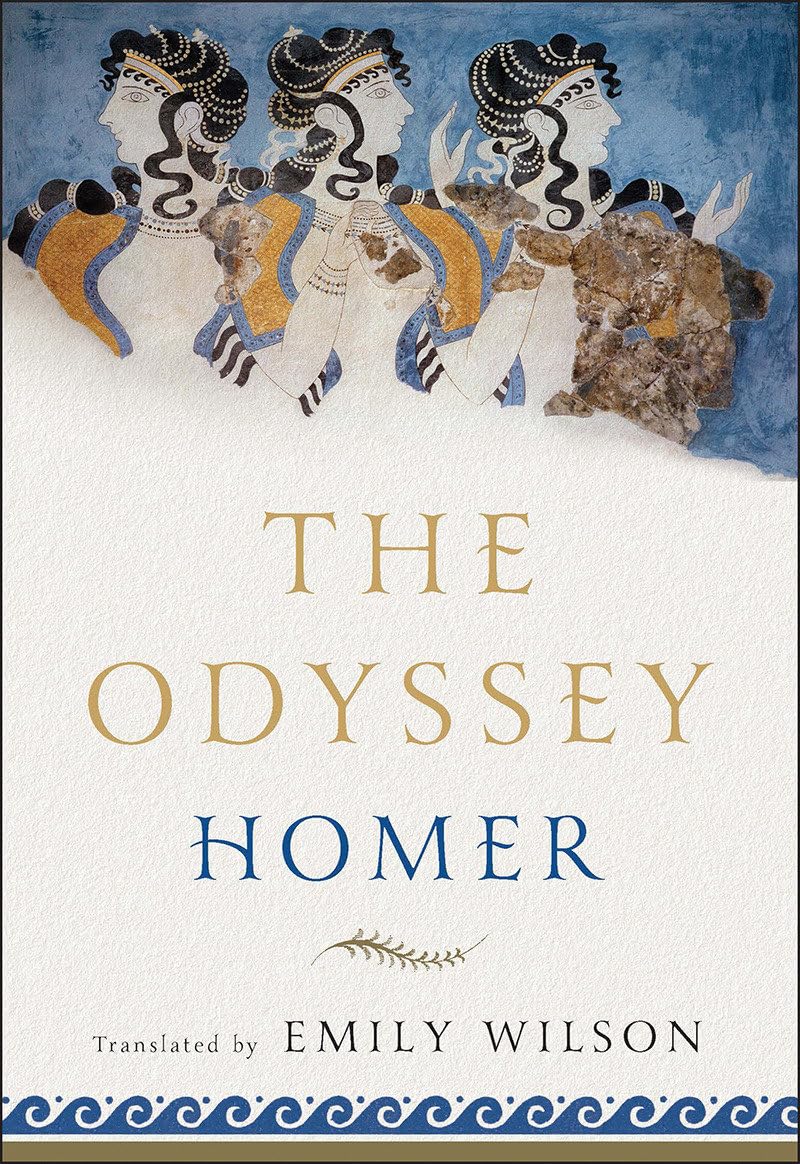
No. 37 on this list. Odyssey
Homer · c. 725 BCE
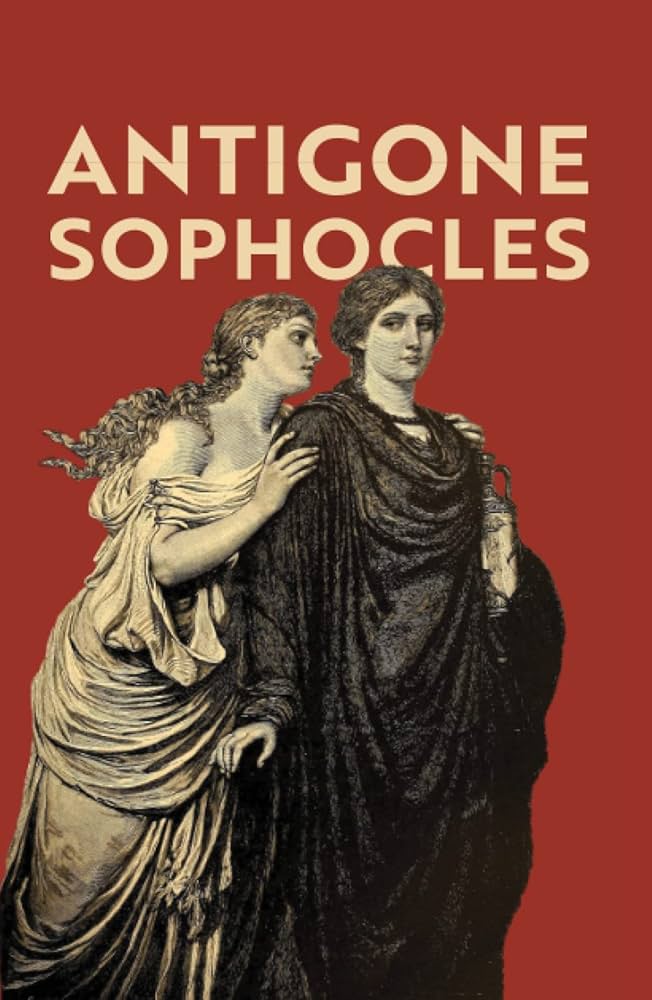
No. 38 on this list. Antigone
Sophocles · c. 441 BCE
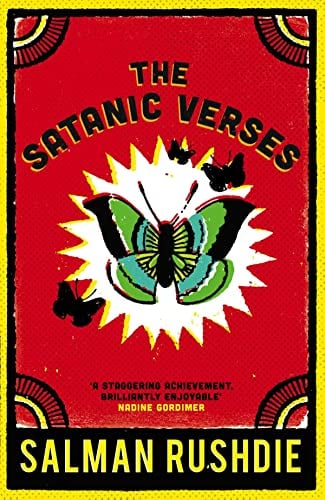
No. 39 on this list. The Satanic Verses
Salman Rushdie · 1988
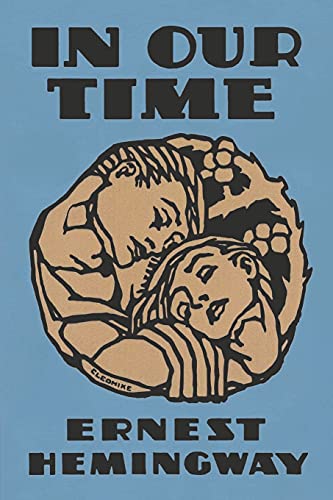
No. 40 on this list. In Our Time
Ernest Hemingway · 1925
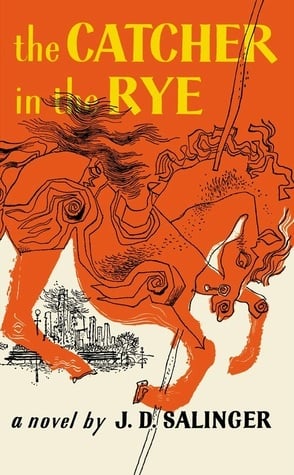
No. 41 on this list. The Catcher in the Rye
J.D. Salinger · 1951
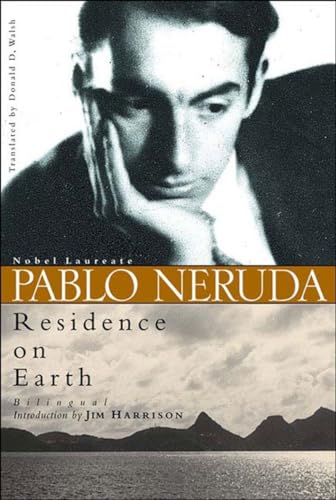
No. 42 on this list. Residence on Earth
Pablo Neruda · 1933
No. 43 on this list. The Waves
Virginia Woolf · 1931
No. 44 on this list. Pamela
Samuel Richardson · 1740
No. 45 on this list. Clarissa
Samuel Richardson · 1748
No. 46 on this list. The Strange Case of Dr Jekyll and Mr Hyde
Robert Louis Stevenson · 1886
No. 47 on this list. A Season in Hell
No. 48 on this list. A Hero of Our Time
Mikhail Lermontov · 1840
No. 49 on this list. The Death of Artemio Cruz
Carlos Fuentes · 1962
No. 50 on this list. The Good Person of Szechwan
Bertolt Brecht · 1943
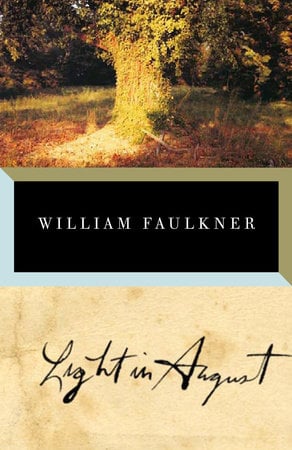
No. 51 on this list. Light in August
William Faulkner · 1932
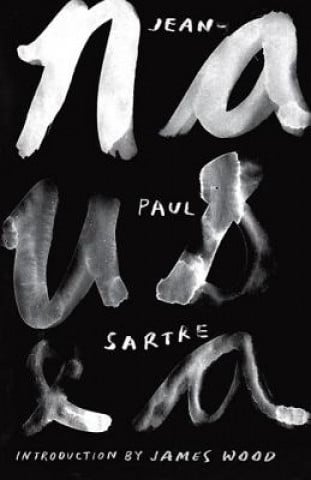
No. 52 on this list. Nausea
Jean-Paul Sartre · 1938
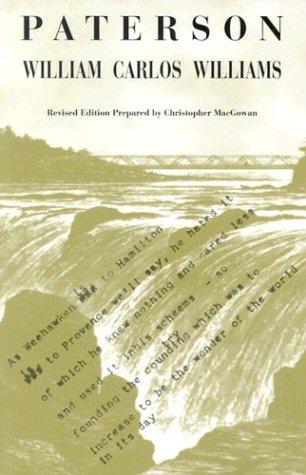
No. 53 on this list. Paterson
William Carlos Williams · 1963
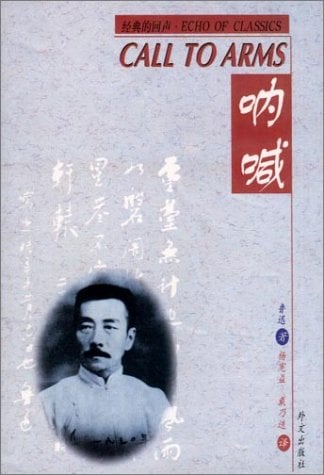
No. 54 on this list. Call to Arms
Lu Xun · 1923
No. 55 on this list. The Conference of the Birds
Attar of Nishapur · 1177
No. 56 on this list. Their Eyes Were Watching God
Zora Neale Hurston · 1937
No. 57 on this list. A Sportsman's Sketches
Ivan Turgenev · 1852
No. 58 on this list. Shakuntala
Kalidasa · 400
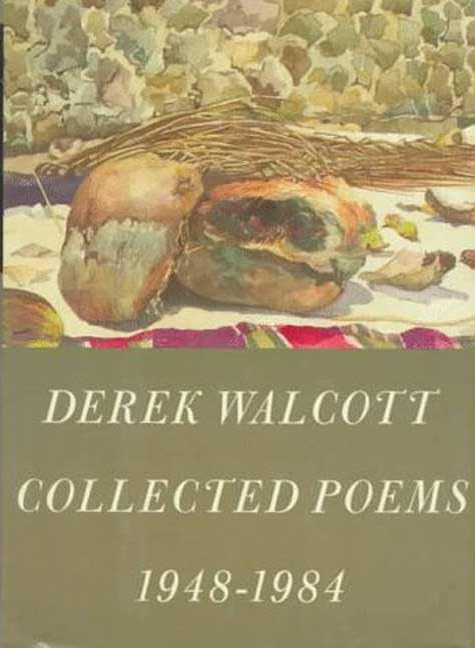
No. 59 on this list. Collected Poems of Derek Walcott
Derek Walcott · 1986
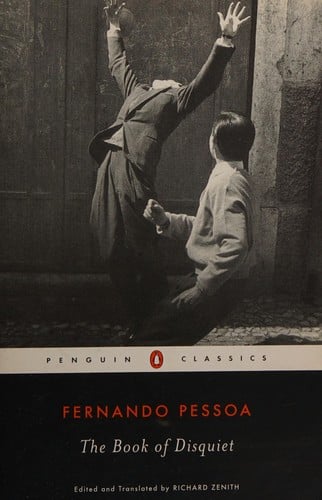
No. 60 on this list. The Book of Disquiet
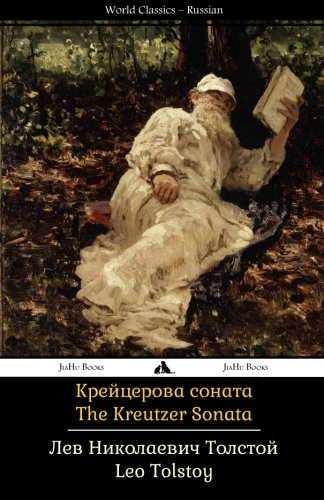
No. 61 on this list. The Kreutzer Sonata
Leo Tolstoy · 1889
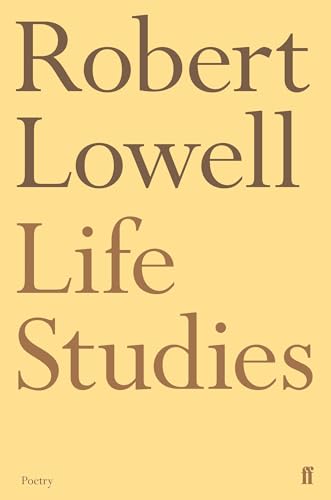
No. 62 on this list. Life Studies
Robert Lowell · 1959
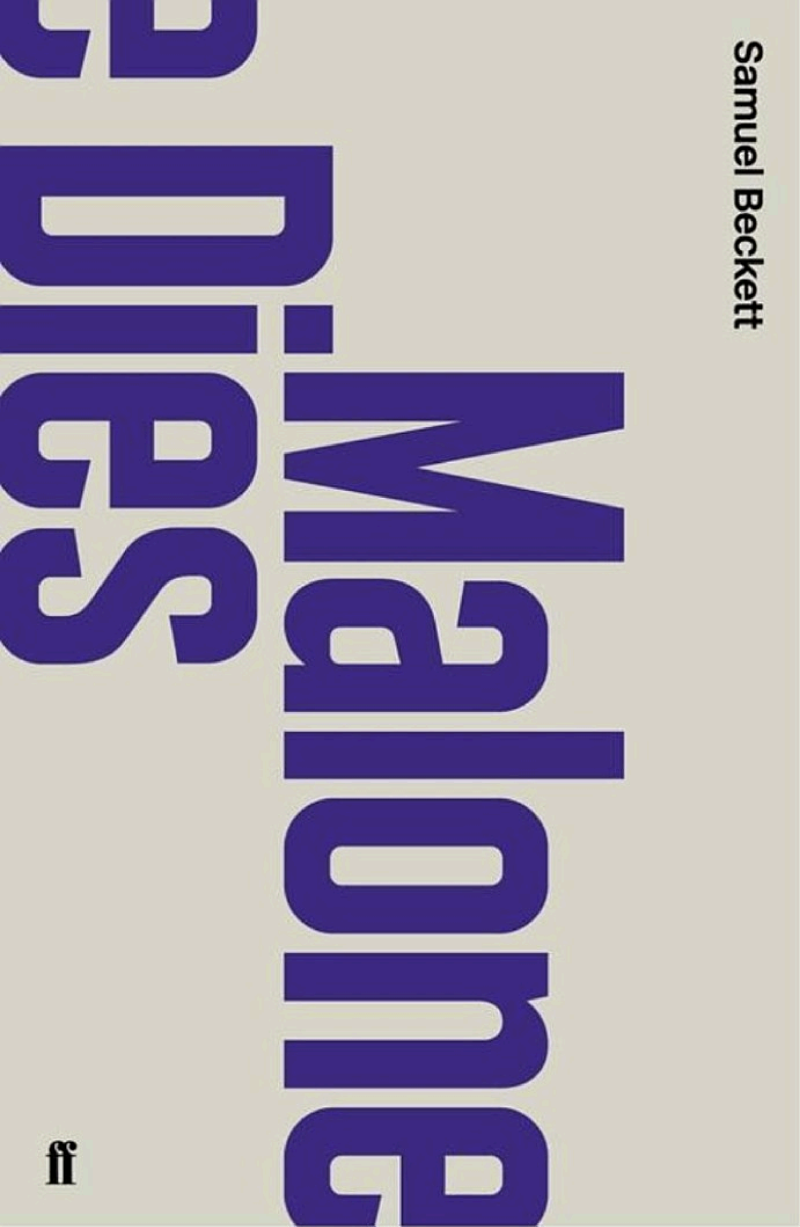
No. 63 on this list. Malone Dies
Samuel Beckett · 1951
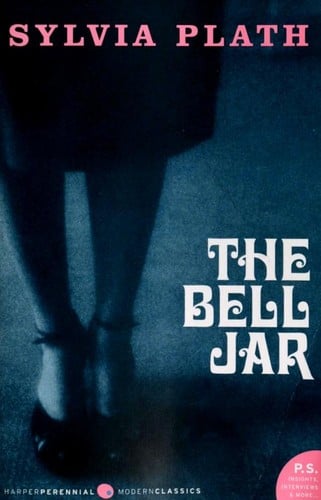
No. 64 on this list. The Bell Jar
Sylvia Plath · 1963
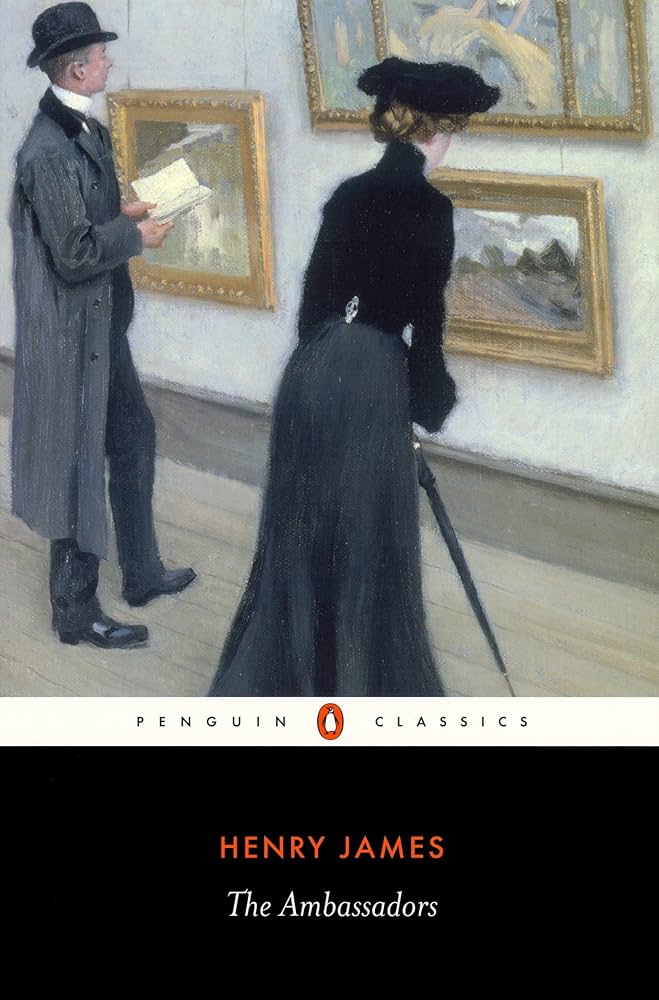
No. 65 on this list. The Ambassadors
Henry James · 1903
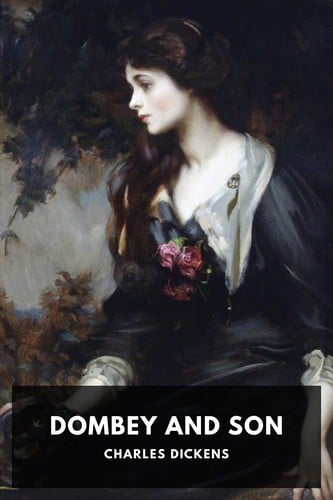
No. 66 on this list. Dombey and Son
Charles Dickens · 1848
No. 67 on this list. Joseph and His Brothers
Thomas Mann · 1943
No. 68 on this list. The Iceman Cometh
Eugene O'Neill · 1946
No. 69 on this list. Paradise
Toni Morrison · 1999
No. 70 on this list. The Color Purple
Alice Walker · 1983
No. 71 on this list. Between the Acts
Virginia Woolf · 1941
No. 72 on this list. The Mirror and the Light
Hilary Mantel · 2020
No. 73 on this list. Martin Chuzzlewit
Charles Dickens · 1844
No. 74 on this list. Molloy
Samuel Beckett · 1951
No. 75 on this list. V.
Thomas Pynchon · 1963
No. 76 on this list. Life & Times of Michael K
J.M. Coetzee · 1983
No. 77 on this list. The English Patient
Michael Ondaatje · 1992
No. 78 on this list. The major works
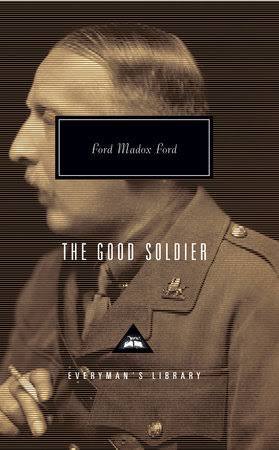
No. 79 on this list. The Good Soldier
Ford Madox Ford · 1915
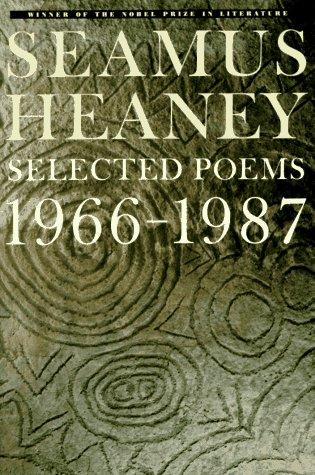
No. 80 on this list. Selected Poems, 1966-1987
Seamus Heaney · 1990
No. 81 on this list. Never Let Me Go
Kazuo Ishiguro · 2005
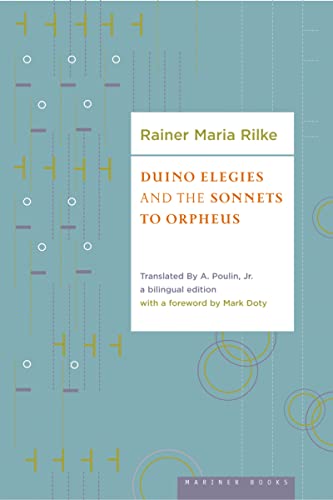
No. 82 on this list. The Sonnets to Orpheus
Rainer Maria Rilke · 1923
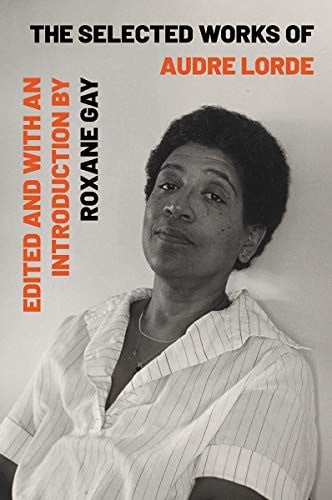
No. 83 on this list. The Selected Works of Audre Lorde
Audre Lorde · 2020
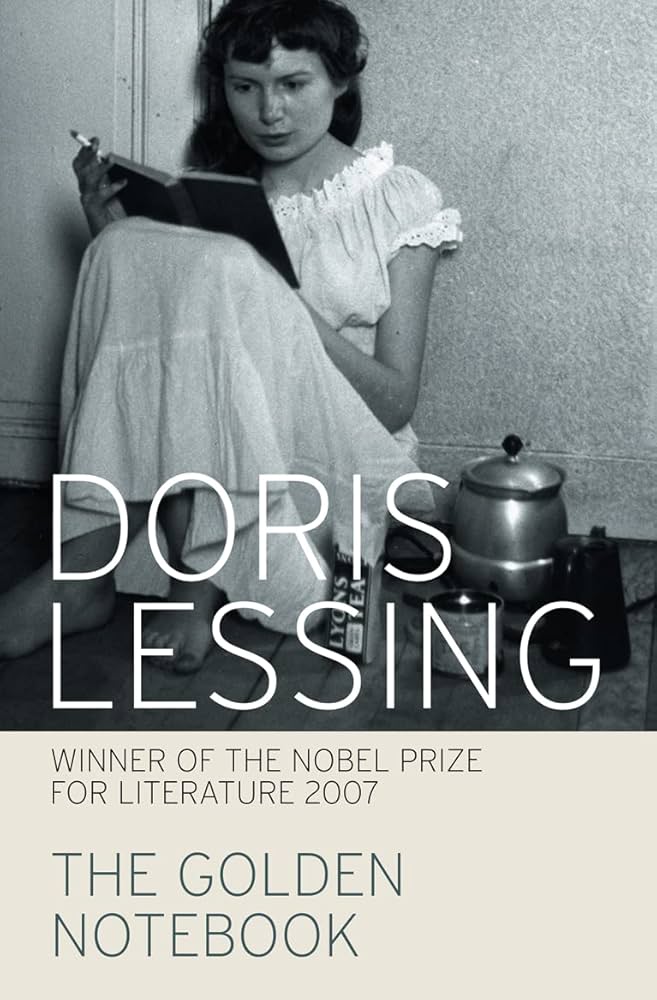
No. 84 on this list. The Golden Notebook
Doris Lessing · 1962
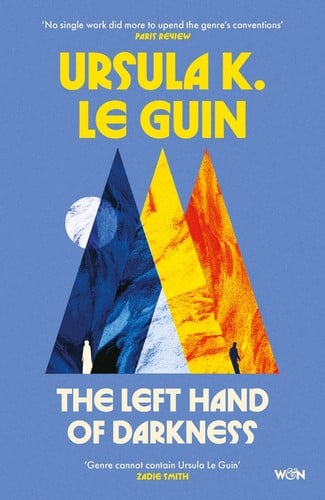
No. 85 on this list. The Left Hand of Darkness
Ursula K Le Guin · 1969
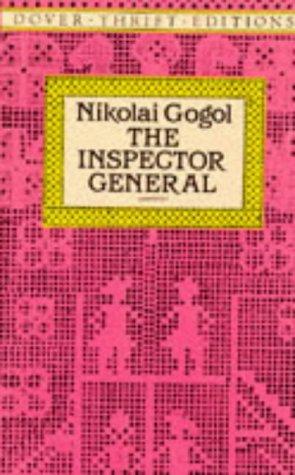
No. 86 on this list. The Inspector General
Nikolai Gogol · 1836
No. 87 on this list. Herzog
Saul Bellow · 1965
No. 88 on this list. The Piano Lesson
August Wilson · 1987
No. 89 on this list. Borderlands/La Frontera: The New Mestiza
Gloria Anzaldua · 1987
No. 90 on this list. Poet in New York
Federico García Lorca · 1940
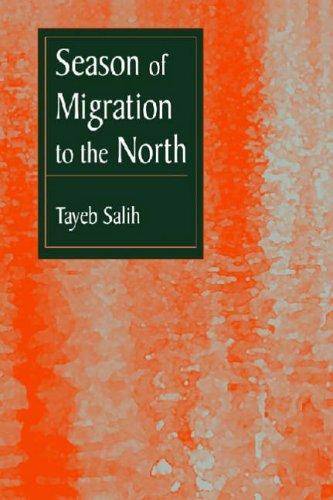
No. 91 on this list. Season of Migration to the North
Tayeb Salih · 1966
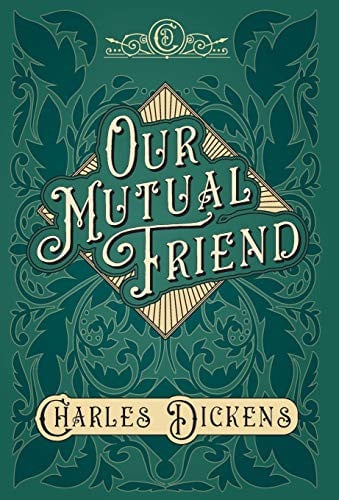
No. 92 on this list. Our Mutual Friend
Charles Dickens · 1865
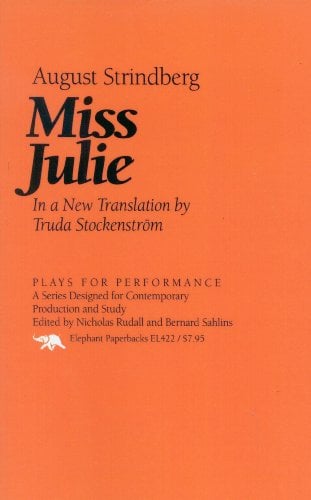
No. 93 on this list. Miss Julie
August Strindberg · 1888
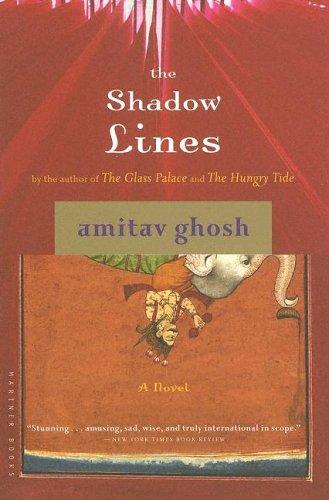
No. 94 on this list. The Shadow Lines
Amitav Ghosh · 1988
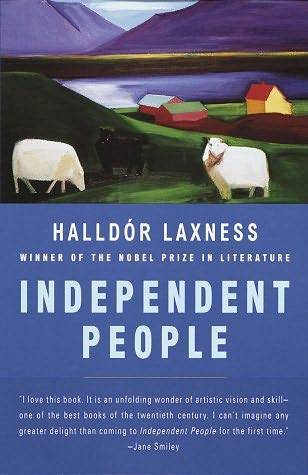
No. 95 on this list. Independent People
Halldór Laxness · 1934
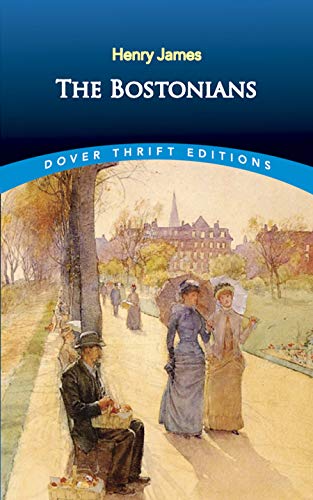
No. 96 on this list. The Bostonians
Henry James · 1886
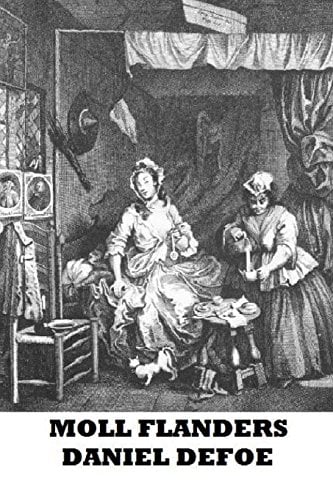
No. 97 on this list. Moll Flanders
Daniel Defoe · 1722
No. 98 on this list. A Grain of Wheat
Ngugi wa Thiong'o · 1967
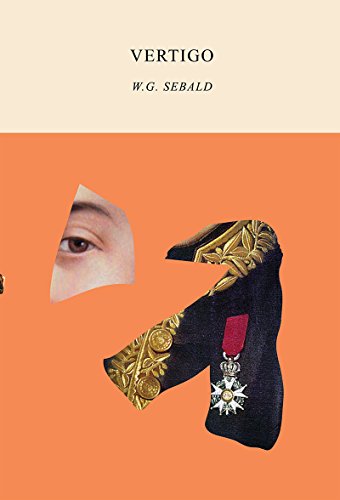
No. 99 on this list. Vertigo
W.G. Sebald · 1990
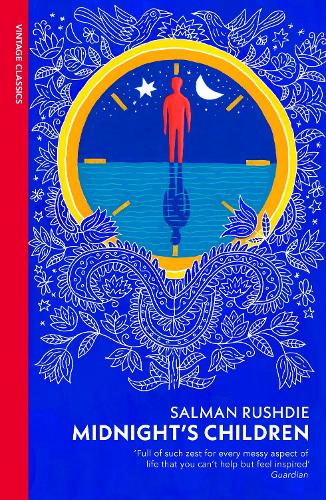
No. 100 on this list. Midnight's Children
Salman Rushdie · 1981
About this list
These 100 books are the highest-scoring eligible books about identity and the self currently in the catalogue. About 982 hours of reading in all, for the 98 with measured lengths. Difficulty runs from 53 to 67 out of 100 for the middle half of the list; the summit is ULYSSES (The Original 1922 Edition): Enriched edition. A Modernist Dublin Day of Stream-of-Consciousness, Identity, and Odyssey Echoes at 90.
This list is ranked by literary regard, with a consistent order for equal scores. Membership follows authors and co-authors, not translators or editors. A book is here when ReadingRate files it under Identity & Self as one of its primary reading domains, at a confidence of 0.8 or more. Catalogue coverage and the historical canon both limit what this list can represent.
When we matched the Canons dataset to our catalogue in October 2026, our canonical-status scores rose with the number of school curricula, publisher series and lists in it that cite a work: the median score was 72 for books one such source cites, 84 at two, 88 at three, 92 at four and 93 at five or more. Prizes are left out of that count. Outside the state curricula, the dataset’s sources choose mostly from what has been translated into English or French, so it is a weaker check on other literatures. Source: Canons (Andrew Piper), CC BY 4.0
Questions people actually ask
- What are the best books about identity and the self?
- By literary regard, which weighs canonical status, critical standing and influence: Ulysses by James Joyce, ULYSSES (The Original 1922 Edition): Enriched edition. A Modernist Dublin Day of Stream-of-Consciousness, Identity, and Odyssey Echoes by James Joyce, The Odyssey. Translated by Robert Fitzgerald. With Drawings by Hans Erni by Homer, Six Characters in Search of an Author by Luigi Pirandello and Metamorphosis and Other Stories by Franz Kafka. ReadingRate ranks 100 such books, each with a difficulty score and a reading-time estimate.
- Which books about identity and the self should I read first?
- Start from difficulty, not from rank. The most approachable books on this list that still carry top literary regard are Borderlands/La Frontera: The New Mestiza by Gloria Anzaldua (about 2.7 hours), Pamela by Samuel Richardson and A Hero of Our Time by Mikhail Lermontov.
- What are the shortest of the best books about identity and the self?
- Among the top 25, the shortest are The Lady with the Dog by Anton Chekhov (about 32 min), Ajax by Sophocles (about 56 min) and The Bourgeois Gentleman by Molière (about 1.2 hours), at an average pace of 250 words a minute adjusted for each book's difficulty.
- Which of the best books about identity and the self are the established classics?
- By canonical status, how firmly a book sits in curricula, anthologies and the canon: Odyssey by Homer, Ulysses by James Joyce, ULYSSES (The Original 1922 Edition): Enriched edition. A Modernist Dublin Day of Stream-of-Consciousness, Identity, and Odyssey Echoes by James Joyce, The Odyssey. Translated by Robert Fitzgerald. With Drawings by Hans Erni by Homer and Six Characters in Search of an Author by Luigi Pirandello.
- Can I read any of these books about identity and the self for free?
- 23 of the 100 open in ReadingRate's reader with a free account, from public-domain editions: Ulysses, Six Characters in Search of an Author, Twelfth Night, As You Like It, Richard III and 18 more.
- How long would it take to read the top ten?
- About 95 hours for the 9 with measured lengths, at an average pace of 250 words a minute adjusted for each book's difficulty: 48 days at two hours a day. Set your own pace on the page and the list's reading times change to it.
- How hard are books about identity and the self to read?
- Most of this list sits between 53 and 67 on ReadingRate's 100-point difficulty scale, where 40 to 55 is moderate. The summit is ULYSSES (The Original 1922 Edition): Enriched edition. A Modernist Dublin Day of Stream-of-Consciousness, Identity, and Odyssey Echoes at 90. Every entry carries its own score, so a reader can pick a great book at a difficulty they will finish.
- How is this list ranked?
- On literary-regard data: how canonically established a work is, its critical standing, and its influence on later writing. It is not a readers’ poll, which is why recent bestsellers rarely appear. Membership follows authors and co-authors, not translators or editors. Lists by country, author, period, theme or difficulty keep to literature: fiction, poetry and drama, with no philosophy, criticism or theory. A list of a kind of book, such as philosophy, memoir or criticism, keeps every book of that kind. Every list holds at most three works by one author. A book is here when ReadingRate files it under Identity & Self as one of its primary reading domains, at a confidence of 0.8 or more.