Hours at an average pace
Showing 100 books
About 775 hours for 97 of 100 books with measured lengths. Estimates use 250 words a minute, adjusted for each book's difficulty. At 2 hours a day, about 388 days for those books.
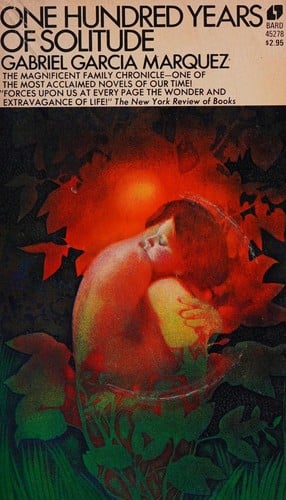
García Márquez wove a century of Latin American history into one family's story where the miraculous and the mundane coexist without explanation — ice is as wondrous as levitation. The book proved that the novel could channel an entire continent's experience in a voice that had no European precedent.
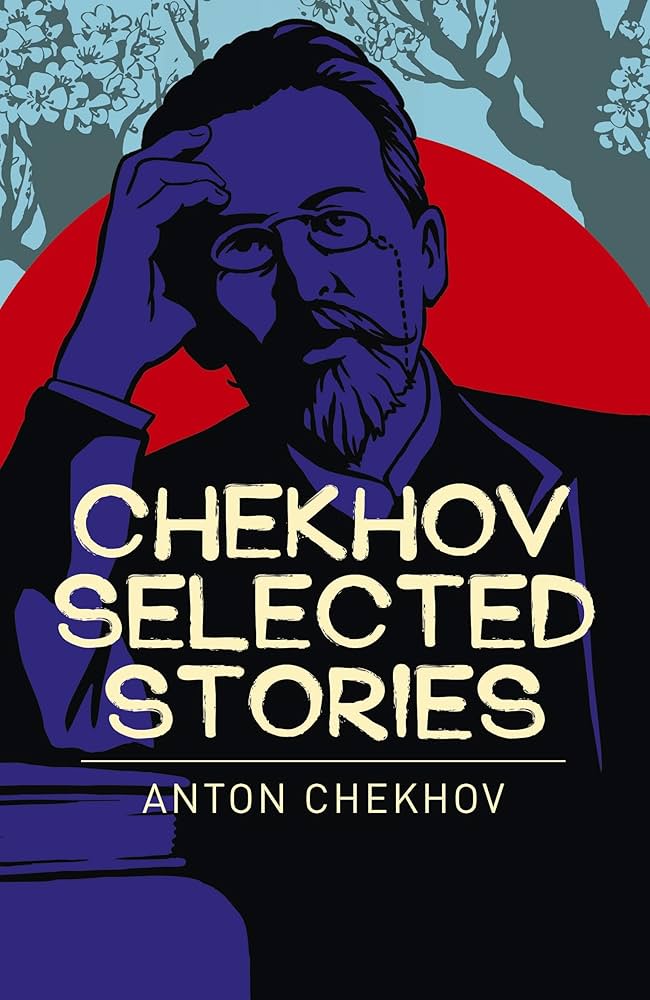
Chekhov anchors the short-story unit of virtually every world-literature and creative-writing syllabus in the English-speaking world, and "The Lady with the Dog," "Gooseberries," and "Ward No. 6" are among the most frequently anthologized stories in any language. Our database has no syllabus or Wikipedia-language data recorded against this specific collection entry, but that reflects the absence of one fixed "Selected Stories" edition to track rather than any gap in his standing.
The Metamorphosis is taught widely in high school and university world literature courses, and Kafka's name gave 'Kafkaesque' to the language. This edition is a modern collection of well-established works. It stands near The Great Gatsby in classroom ubiquity.
Les Fleurs du mal is a foundation of modern poetry, taught across French literature, comparative literature and poetry courses worldwide. Its 1857 obscenity trial is part of literary history.
The Metamorphosis is one of the most taught works of modern fiction, found in world literature and German courses everywhere. This annotated 2020 edition is a reissue of that canonical text.
David Copperfield is firmly established in the Western literary canon as one of Dickens's supreme achievements and a defining example of the Victorian Bildungsroman. It remains widely taught, studied, and adapted across cultures.
Frost appears on virtually every American high school and university English curriculum. 'The Road Not Taken,' 'Mending Wall,' and 'Stopping by Woods on a Snowy Evening' are among the most-taught poems in the English language, and the Collected Poems is the standard edition used in academic settings. His work is a fixture of the canon in a way shared by almost no other 20th-century American poet.
Poe's tales and poems are staples of American literature courses and school anthologies, and 'The Raven' and 'The Tell-Tale Heart' are among the most widely taught American texts. His reach is comparable to Gatsby's in the American curriculum.
Kafka's short fiction is taught in university literature courses worldwide, and 'A Hunger Artist' is among his most frequently anthologized works. It appears in virtually every Kafka collection and features in major short story anthologies. The work has sustained academic and pedagogical attention since its posthumous publication in 1922.
Happy Days anchors modernist and postmodern drama syllabi internationally alongside Waiting for Godot and Endgame. It is taught in theatre, English literature, and philosophy programs across Europe and North America. Wikipedia covers it in over 40 languages. It is among the most-assigned Beckett plays and appears on virtually every postwar drama reading list.


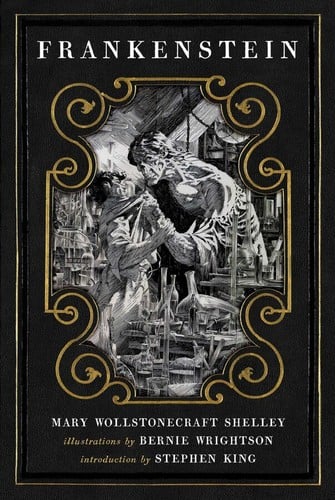
No. 11 on this list. Frankenstein or, The Modern Prometheus · Mary Shelley
Taught on college syllabi since the 1960s and now a fixture of Romantic, Gothic and science fiction courses, with a vast adaptation history. It is a defining Gothic and science fiction text.
Challenging6.3 hours
Start this bookNo. 12 on this list. Kokoro · Natsume Sōseki · 1914
Kokoro is universally regarded as the supreme masterpiece of modern Japanese literature and one of the most important novels of the twentieth century in any language. It is the single most commonly assigned novel in Japanese high schools and universities, and appears on literature syllabi worldwide. It has been continuously in print since 1914 and has been translated into dozens of languages. It is a permanent fixture of every serious list of world literature, from the Penguin Classics and Oxford World Classics catalogs to Harold Bloom's discussions of global literary achievement.
Moderate4.5 hours
Start this bookNo. 13 on this list. Of Mice and Men · John Steinbeck · 1937
One of the most taught works in American secondary and post-secondary education, with 548 syllabus appearances placing it in the top tier of assigned literature. Included in Library of America, Penguin Classics, Everyman's Library, and Penguin Modern Classics. Appears on the BBC Big Read Top 100 and 1001 Books You Must Read Before You Die. Its status as core American literary reading is unquestioned.
Easy1.7 hours
Start this bookNo. 14 on this list. The major works · William Wordsworth
Wordsworth anchors every survey of Romantic poetry, and the Lyrical Ballads and The Prelude are standard in English literature courses. Oxford World's Classics, with Gill's edition described by reviewers as a landmark, is a standard teaching text.
Moderate
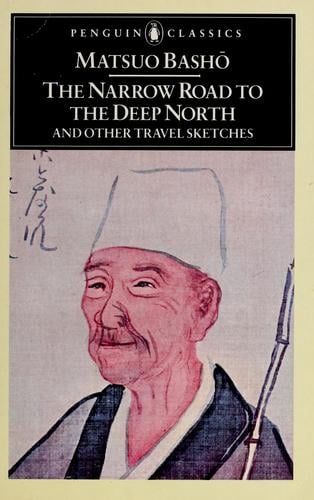
Start this bookNo. 15 on this list. The Narrow Road to the Deep North and Other Travel Sketches · Matsuo Bashō · 1702
It is one of the central works of Japanese literature and appears in Penguin Classics. It is taught widely in world literature and Asian studies courses.
Moderate1.6 hours
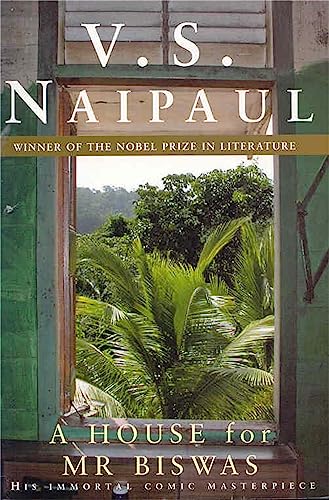
Start this bookNo. 16 on this list. A House for Mr. Biswas · V.S. Naipaul · 1961
Naipaul tracked one man's forty-year struggle to own a house of his own in colonial Trinidad, and by treating that modest ambition with the gravity of epic, wrote the definitive novel about the immigrant's war between dignity and dispossession. Mr. Biswas's defeats are so granular and so cumulative that the house, when it finally comes, means more than any literary symbol has a right to.
Moderate13 hours
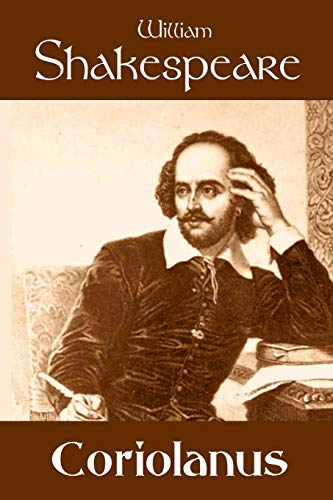
Start this bookNo. 17 on this list. Coriolanus · William Shakespeare · 1608
Coriolanus is a standard text in Shakespeare curricula and appears on university syllabi in courses on Renaissance drama, political philosophy, and history plays. While taught less frequently than Hamlet, Macbeth, or King Lear, it is required reading in most advanced Shakespeare courses and political drama studies. Its engagement with popular sovereignty and class politics has made it a recurring subject of academic attention.
Challenging2.9 hours
Read nowNo. 18 on this list. The Lottery · Shirley Jackson · 1948
A woman spends her wedding day waiting for a groom who never comes, then follows his trail through florists and shoeshine stands to a door that never opens. A man makes a perfect cherry pie, sets his table with careful silverware, and watches a stranger walk out of his apartment wearing his life. A village gathers on a sunny June morning for its annual lottery, children stuffing their pockets with stones. Shirley Jackson published these twenty-five stories in 1949, and the title story provoked more mail to The New Yorker than anything the magazine had ever printed. Readers recognized something they had been trying not to see. Jackson's territory is the ordinary moment that turns: the neighborly conversation hiding menace, the polite smile concealing theft, the cheerful community ritual ending in murder. Her prose is clean and precise, her settings are kitchens and drugstores and bus stations, her people are women shopping and men commuting and children playing. The horror lives in the gap between the surface calm and what it covers. No one in American fiction has mapped that gap with such economy or such dread.
Moderate5.6 hours
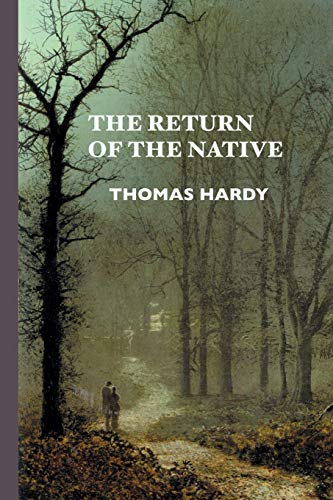
Start this bookNo. 19 on this list. The Return of the Native · Thomas Hardy · 1878
The Return of the Native stands as one of Hardy's major tragic novels and a cornerstone of Victorian fiction. Egdon Heath's status as literary landscape rivals any in English literature, and the novel appears consistently in academic curricula and critical studies of the Victorian novel.
Challenging11 hours
Read nowNo. 20 on this list. Meghaduta · Kalidasa · 400
Kalidasa's best-known lyric is central to Sanskrit literature curricula and the model for the duta-kavya genre, translated widely across Indian languages and the world.
Challenging26 min
Start this book
No. 21 on this list. The Fall · Albert Camus · 1956
Published 1956, The Fall holds secure position in the twentieth-century canon as Camus's most formally accomplished and philosophically complex fiction. Widely taught in philosophy and literature courses as paradigmatic existentialist text, it appears on major 'best of century' lists and maintains continuous scholarly attention. Its status benefits from Camus's Nobel Prize (1957) and from representing the mature synthesis of his philosophical fiction after The Stranger and The Plague.
Challenging2.6 hours
Start this bookNo. 22 on this list. Death in Venice · Thomas Mann · 1912
Death in Venice appears on virtually every German literature, European modernism, and queer theory university syllabus taught in the English-speaking world. It is a standard text in comparative literature programs alongside Kafka's Metamorphosis and Rilke's Duino Elegies. Wikipedia maintains articles on the novella in over 50 languages, and it features on most 'essential modern literature' lists.
Challenging11 hours
Read nowNo. 23 on this list. Collected Stories · William Faulkner · 1951
Collected Stories won the National Book Award in 1951 and remains central to American short fiction canon. These stories appear regularly in anthologies and academic syllabi. While perhaps overshadowed by Faulkner's novels, the collection represents an essential component of his Yoknapatawpha saga and demonstrates his mastery across forms.
Challenging22 hours
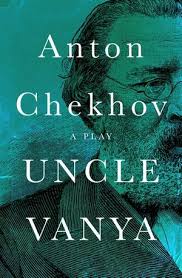
Start this bookNo. 24 on this list. Uncle Vanya · Anton Chekhov · 1899
One of the four major plays on which Chekhov's dramatic reputation rests, and a standard text in drama courses and the international repertory. It is revived constantly in new versions, by David Mamet, Brian Friel, Annie Baker and Conor McPherson among others.
Challenging1.8 hours
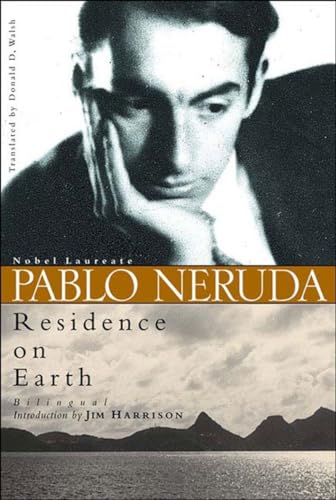
Read nowNo. 25 on this list. Residence on Earth · Pablo Neruda · 1933
Pablo Neruda wrote the poems of 'Residence on Earth' during his years as a Chilean consul in Burma, Ceylon, and Java — postings that left him profoundly isolated, surrounded by unfamiliar languages and dissolving heat. What came out was a poetry of radical disorientation: rain that rots wood, flesh that smells of brine, clocks that leak time like a wound. The opening poem, 'Galope Muerto,' begins mid-sensation: 'Like ashes, like oceans populating themselves, in the submerged slowness, in the shapeless.' There is no speaker announced, no situation established. The collection works entirely through image — blood, sea, bone, stone — stacked without logical mortar until the pressure of accumulated sensation becomes its own argument. 'Walking Around' describes a man so disgusted by modern life he wants to throw everything away, the umbrellas and the accountants and the stockings. 'Ode with a Lament' addresses an unnamed woman through images of shipwrecks and salt. The later sections shift toward political fury — odes to Madrid under bombardment, to Stalingrad, to Spain's dead — but even the political poems work through elemental image rather than rhetoric. This is poetry that does not explain itself. Readers who need a narrative thread or an argument will find none. Those willing to receive sensation as meaning will encounter one of the most physically intense bodies of verse written in the 20th century.
Difficult7 hours
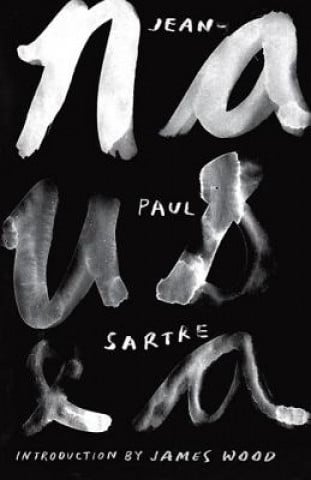
Start this bookNo. 26 on this list. Nausea · Jean-Paul Sartre · 1938
Nausea is universally taught in existentialism courses, philosophy of literature seminars, and twentieth-century European fiction surveys. It introduced French existentialism to literature and remains essential reading for understanding modernism's relationship to philosophy. It appears on virtually every list of the century's most important novels.
Challenging6.7 hours
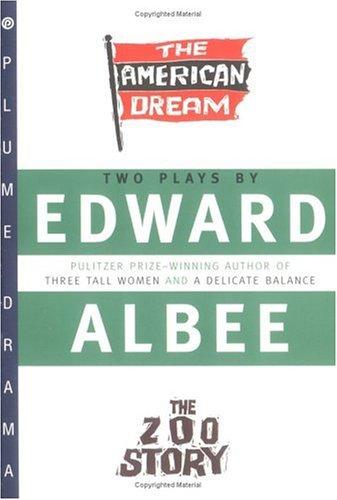
Start this bookNo. 27 on this list. The Zoo Story · Edward Albee · 1959
A foundational work of American avant-garde theater and Albee's debut. Widely taught, anthologized, and performed as a landmark one-act play.
Challenging1.3 hours
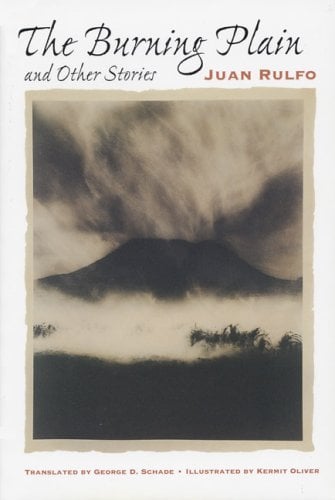
Start this bookNo. 28 on this list. The Burning Plain and Other Stories · Juan Rulfo · 1953
In seventeen stories set across the parched hills of Jalisco, Mexico, Rulfo's peasants carry their dead with them — sometimes literally. A man hauls his father's corpse on his back through the mountains. An old woman refuses to believe her son is a murderer. Soldiers and sharecroppers and abandoned wives speak in short, exact sentences, and the landscape answers with dust and silence. The dead narrate their own stories without announcing they are dead; readers piece it together from the wrong temperature of the prose. Rulfo strips everything from his fiction — backstory, explanation, transitions — until only the essential pressure remains. The Burning Plain was published in 1953, two years before Pedro Páramo, and it shares that novel's method: grief without sentimentality, violence without drama, the supernatural arriving with the matter-of-fact normalness of weather. Gabriel García Márquez said he memorized the entire book and recited it to friends. That is the correct response. These stories end before they explain themselves, in the way that real catastrophe does.
Challenging3.4 hours
Start this bookNo. 29 on this list. North of Boston · Robert Frost · 1914
North of Boston appears in virtually every American poetry survey course and its poems — particularly 'Mending Wall' and 'Home Burial' — are anthologized ubiquitously across high school and university curricula. While database recognitions were not found, this reflects a data gap: the collection is a cornerstone of American literary education and appears on nearly every canonical American poetry list.
Challenging1.5 hours
Start this bookNo. 30 on this list. The Bluest Eye · Toni Morrison · 1970
While not as universally canonical as Beloved, The Bluest Eye is firmly established in the American literary canon, widely taught in universities, and recognized as a landmark debut that announced a major voice in American letters.
Challenging4.2 hours
Start this book
No. 31 on this list. Malone Dies
Samuel Beckett · 1951
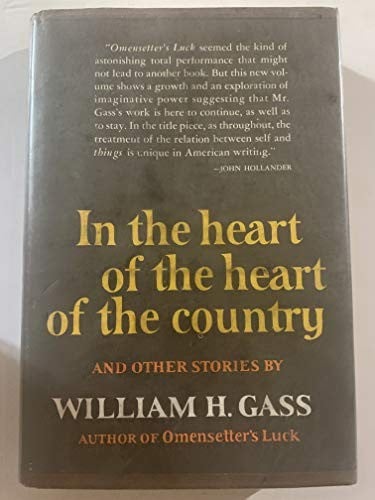
No. 32 on this list. In the Heart of the Heart of the Country
William Gass · 1968
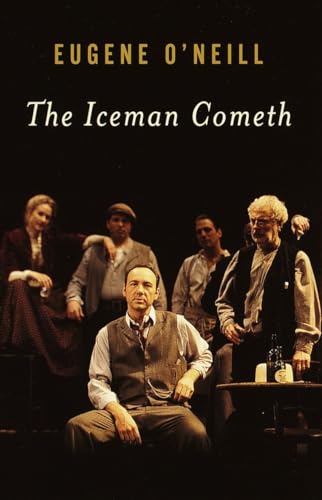
No. 33 on this list. The Iceman Cometh
Eugene O'Neill · 1946
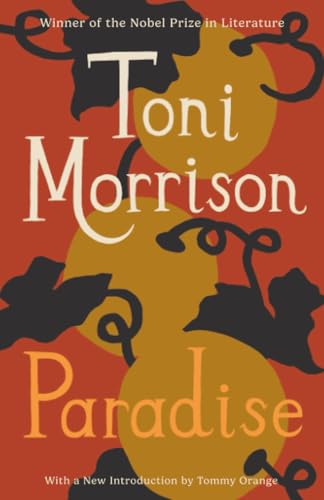
No. 34 on this list. Paradise
Toni Morrison · 1999
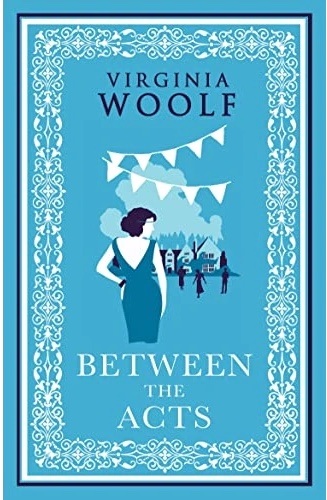
No. 35 on this list. Between the Acts
Virginia Woolf · 1941
No. 36 on this list. Angels in America: Perestroika
Tony Kushner · 1992
No. 37 on this list. Martin Chuzzlewit
Charles Dickens · 1844
No. 38 on this list. Fields of Castile
Antonio Machado · 1912
No. 39 on this list. Cathedral
Raymond Carver · 1983
No. 40 on this list. Life & Times of Michael K
J.M. Coetzee · 1983
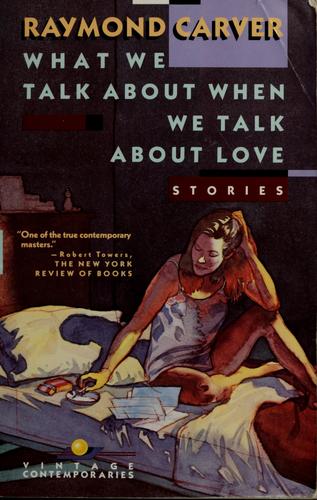
No. 41 on this list. What We Talk About When We Talk About Love
Raymond Carver · 1981
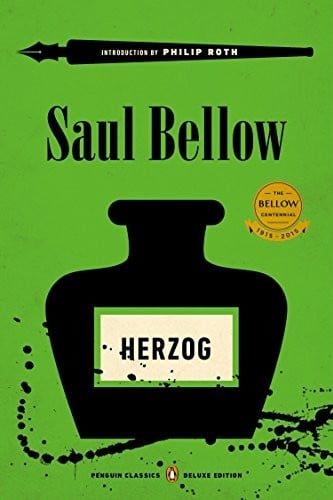
No. 42 on this list. Herzog
Saul Bellow · 1965
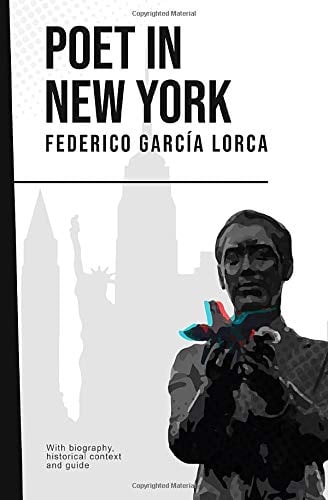
No. 43 on this list. Poet in New York
Federico García Lorca · 1940
No. 44 on this list. A Grain of Wheat
Ngugi wa Thiong'o · 1967
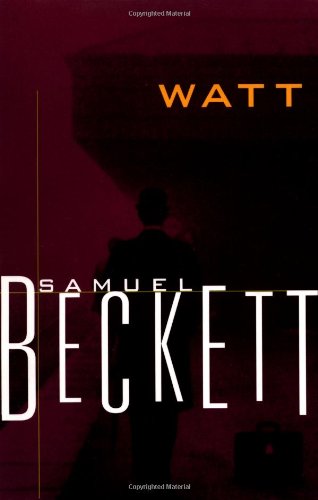
No. 45 on this list. Watt
Samuel Beckett · 1953
No. 46 on this list. Life A User's Manual
Georges Perec · 1978
No. 47 on this list. The Plague of Doves
Louise Erdrich · 2008
No. 48 on this list. Exile and the Kingdom
Albert Camus · 1957
No. 49 on this list. Villette
Charlotte Brontë · 1853
No. 50 on this list. The Stories of John Cheever
John Cheever · 1979
No. 51 on this list. Women in Love
D.H. Lawrence · 1920
No. 52 on this list. Winesburg, Ohio
Sherwood Anderson · 1919
No. 53 on this list. Joseph Conrad: The Complete Collection
No. 54 on this list. The Heart is a Lonely Hunter
Carson McCullers · 1940
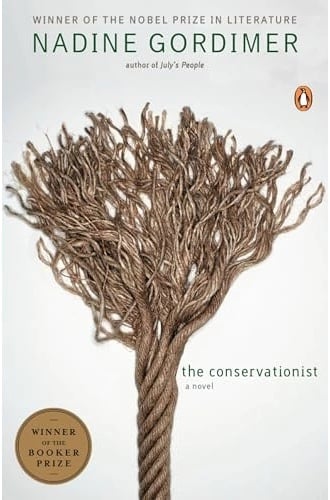
No. 55 on this list. The Conservationist
Nadine Gordimer · 1974
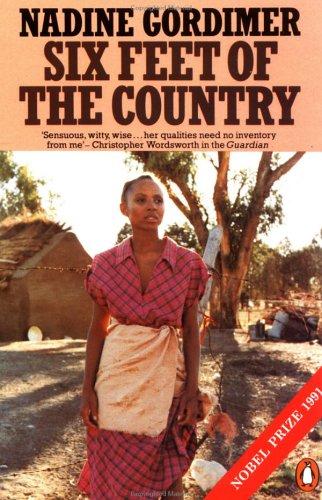
No. 56 on this list. Six Feet of the Country
Nadine Gordimer · 1956
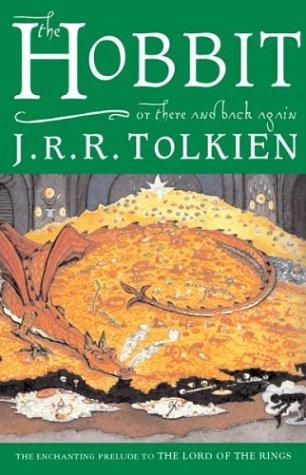
No. 57 on this list. The Hobbit
J.R.R. Tolkien · 1937
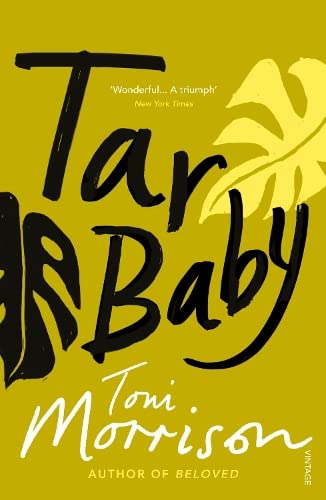
No. 58 on this list. Tar Baby
Toni Morrison · 1981
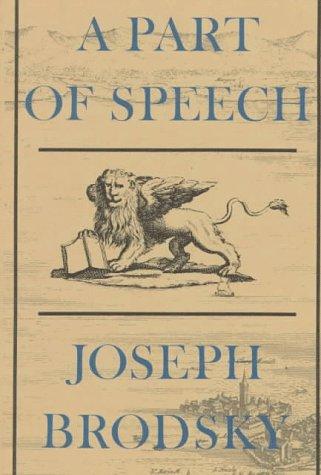
No. 59 on this list. A Part of Speech
Joseph Brodsky · 1977
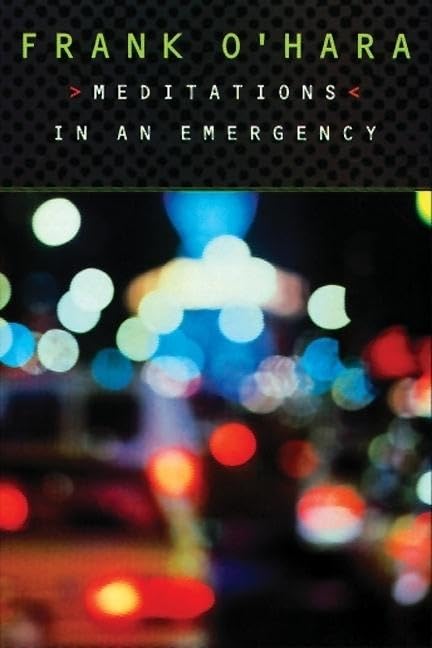
No. 60 on this list. Meditations in an Emergency
Frank O'Hara · 1957
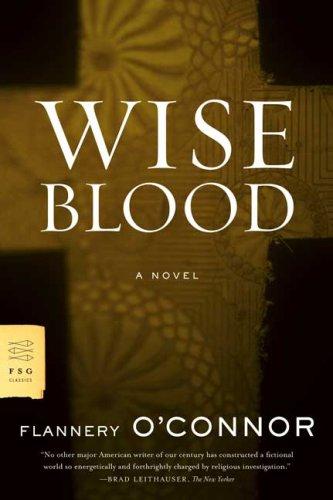
No. 61 on this list. Wise Blood
Flannery O'Connor · 1952
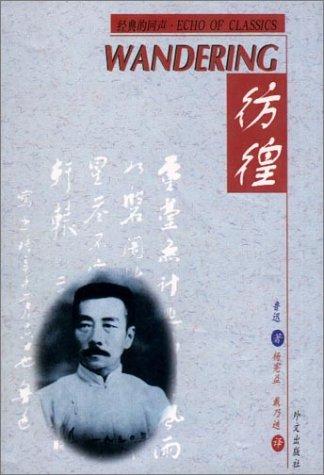
No. 62 on this list. Wandering
Lu Xun · 1926
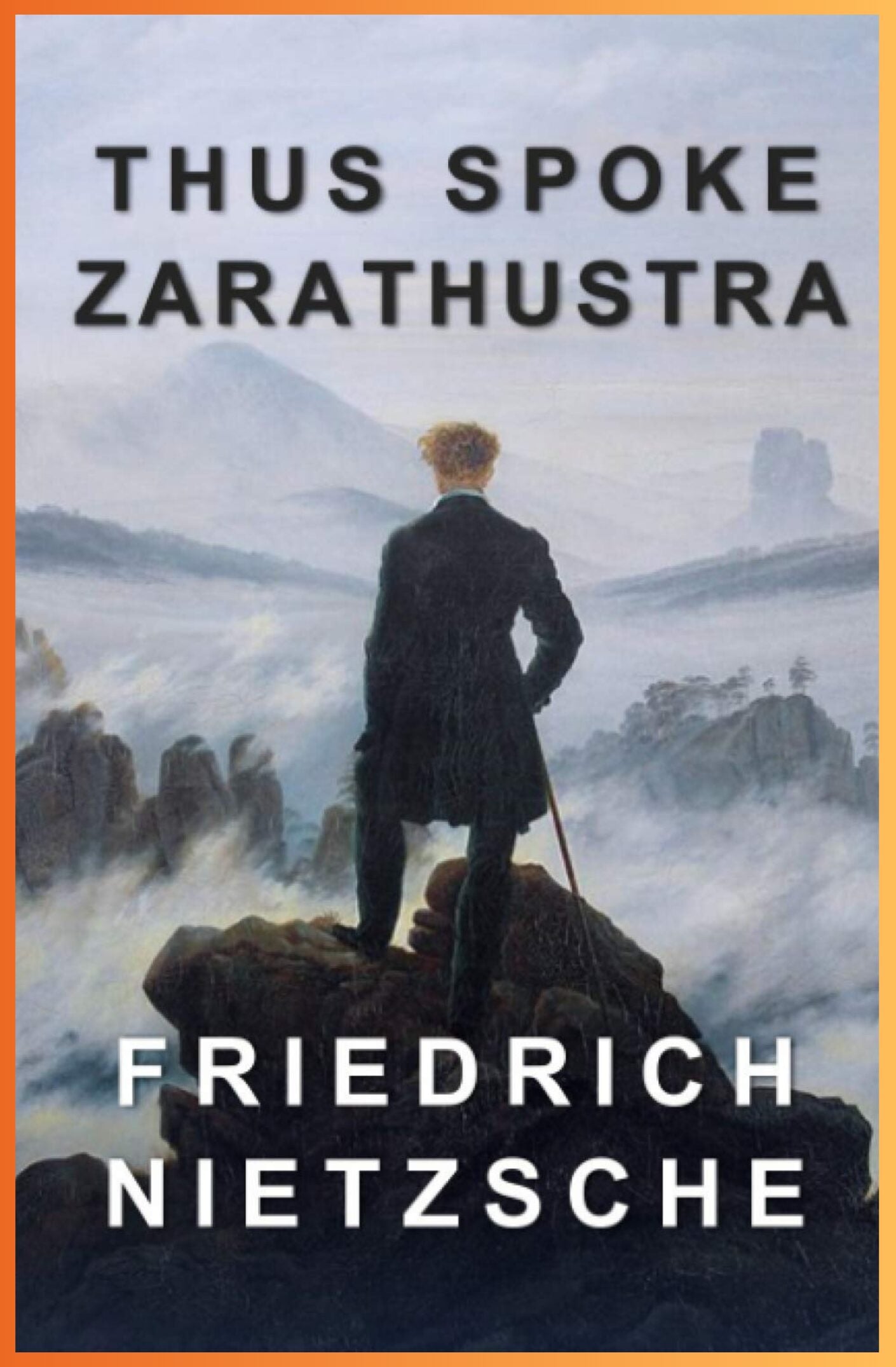
No. 63 on this list. Thus Spoke Zarathustra
Friedrich Nietzsche · 1885
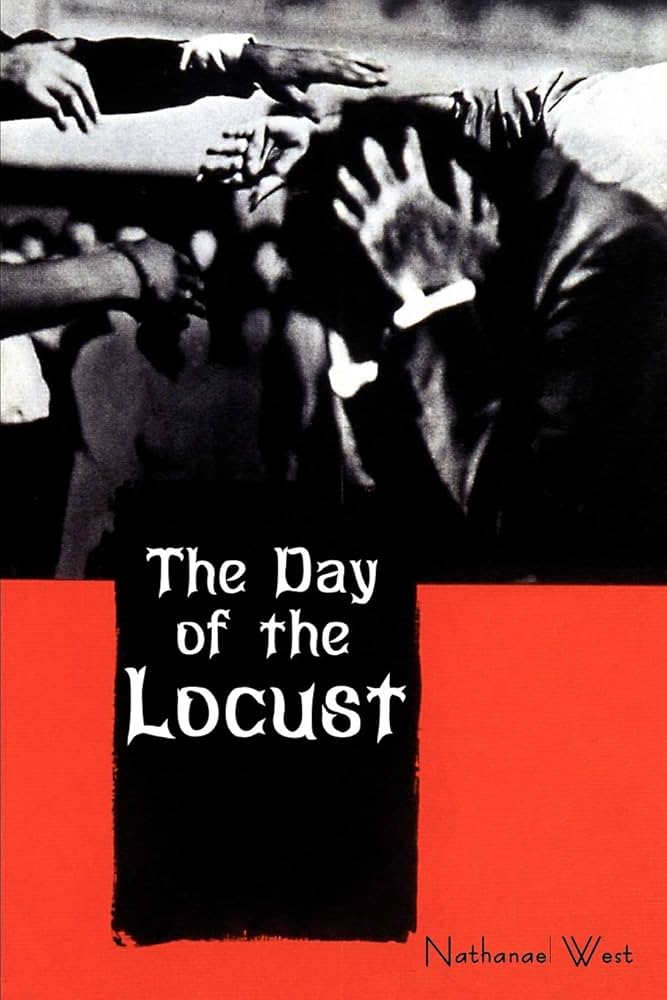
No. 64 on this list. The Day of the Locust
Nathanael West · 1939
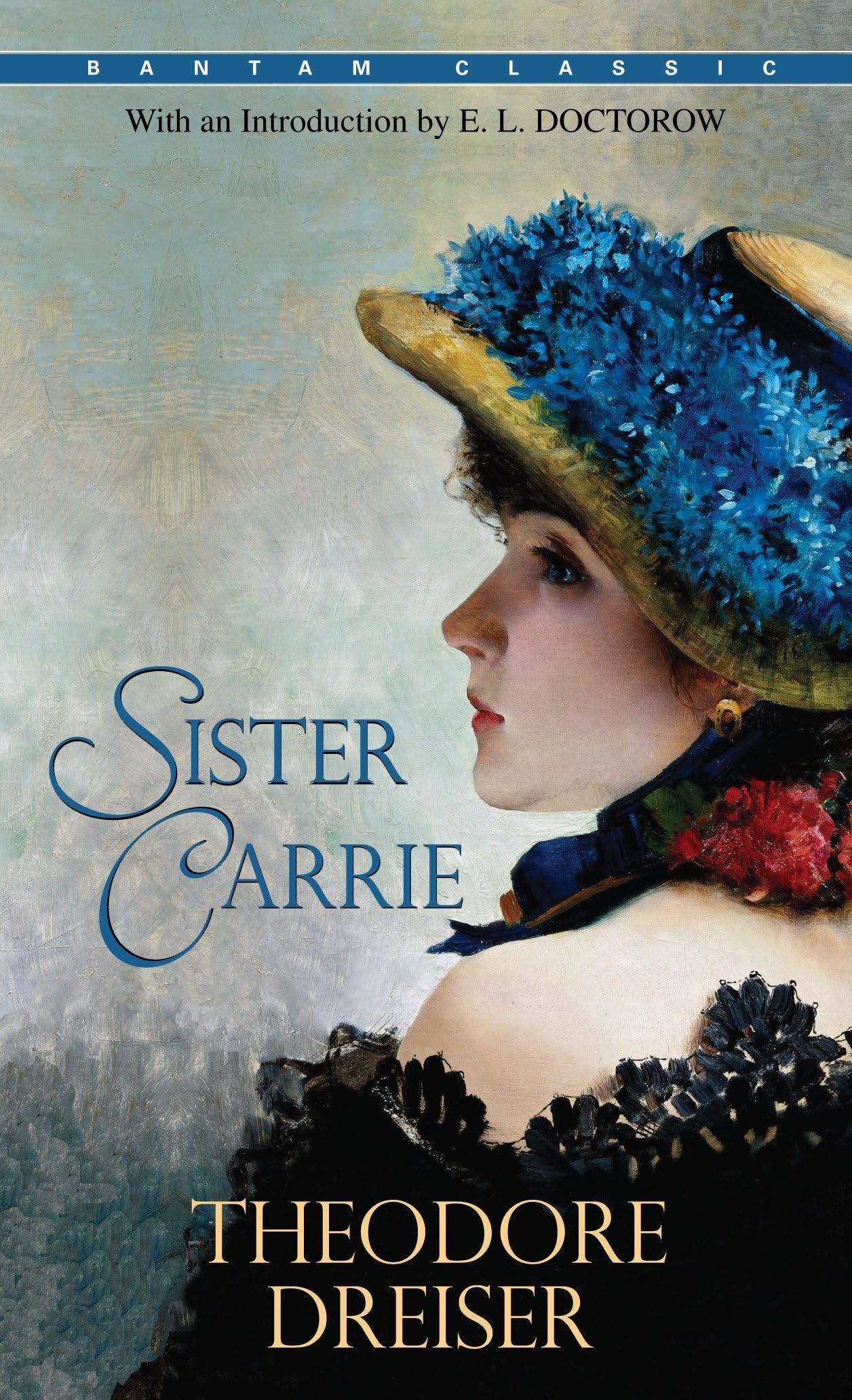
No. 65 on this list. Sister Carrie
Theodore Dreiser · 1900
No. 66 on this list. Almoço Nu
William S. Burroughs · 2005
No. 67 on this list. The First Circle
Aleksandr Solzhenitsyn · 1968
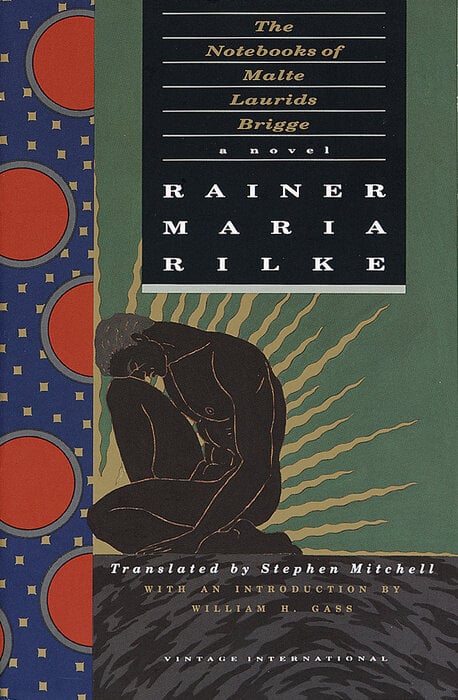
No. 68 on this list. The Notebooks of Malte Laurids Brigge
Rainer Maria Rilke · 1910
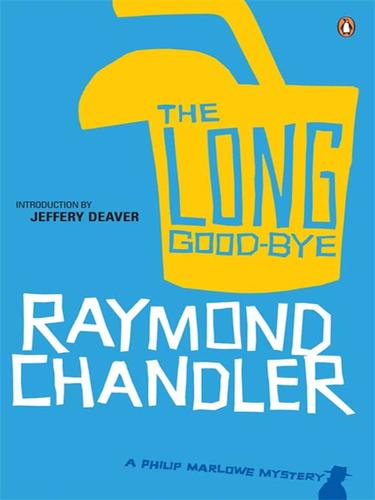
No. 69 on this list. The Long Goodbye
Raymond Chandler · 1953
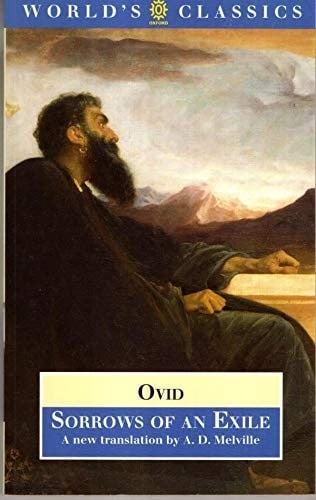
No. 70 on this list. Tristia
Ovid · 12
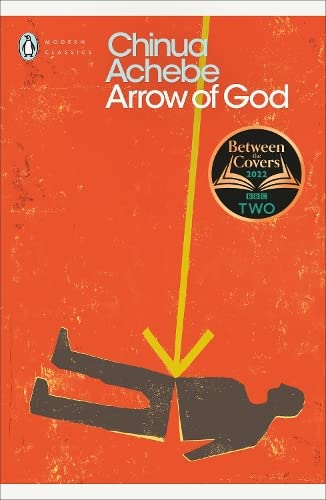
No. 71 on this list. Arrow of God
Chinua Achebe · 1964
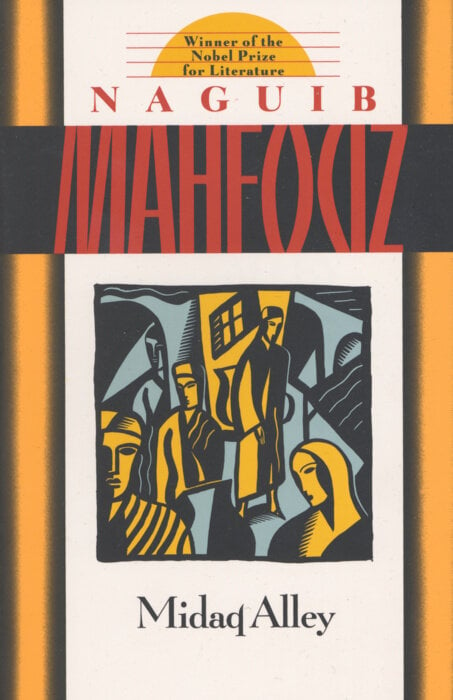
No. 72 on this list. Midaq Alley
Naguib Mahfouz · 1947
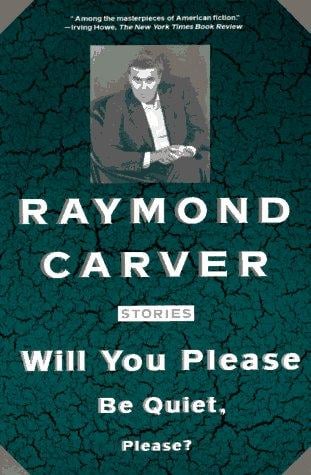
No. 73 on this list. Will You Please Be Quiet, Please?
Raymond Carver · 1976
No. 74 on this list. The Winding Stair
William Butler Yeats · 1933
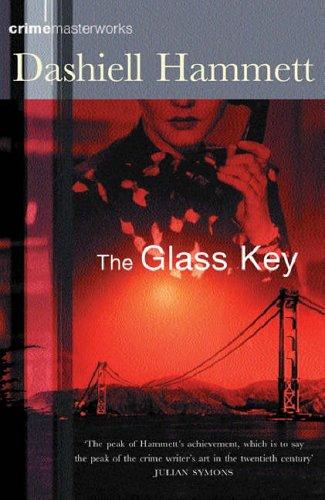
No. 75 on this list. The Glass Key
Dashiell Hammett · 1931
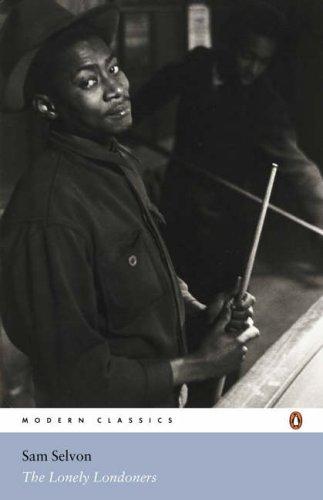
No. 76 on this list. The Lonely Londoners
Sam Selvon · 1956
No. 77 on this list. Seize the Day
Saul Bellow · 1956
No. 78 on this list. Ceremony
Leslie Marmon Silko · 1977
No. 79 on this list. The Steppe
Anton Chekhov · 1888
No. 80 on this list. The Dream of a Common Language
Adrienne Rich · 1978
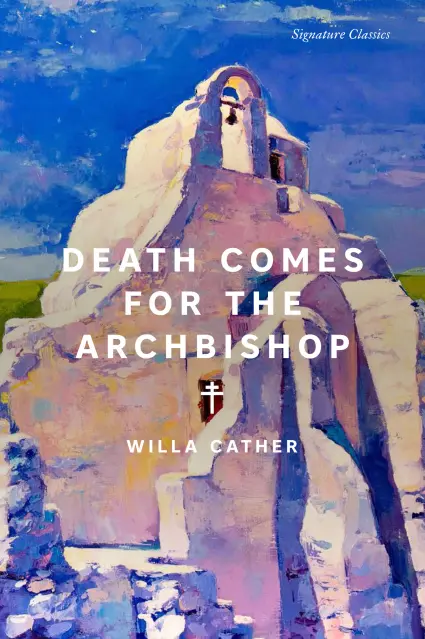
No. 81 on this list. Death Comes for the Archbishop
Willa Cather · 1927
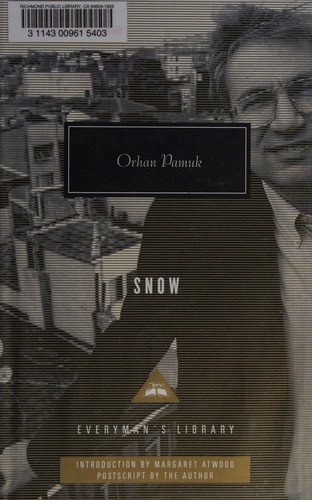
No. 82 on this list. Snow
Orhan Pamuk · 2002
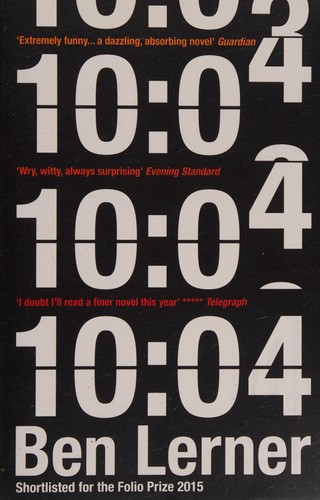
No. 83 on this list. 10:04
Ben Lerner · 2014
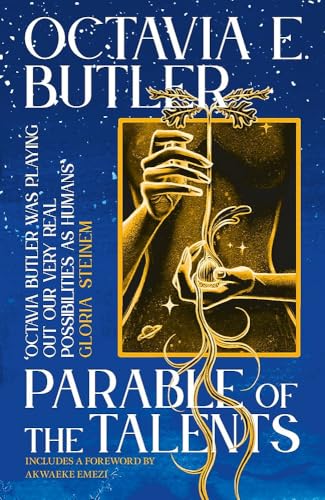
No. 84 on this list. Parable of the Talents
Octavia E. Butler · 1998
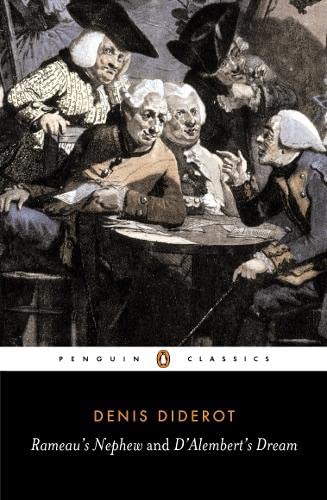
No. 85 on this list. Rameau's Nephew
Denis Diderot · 1805
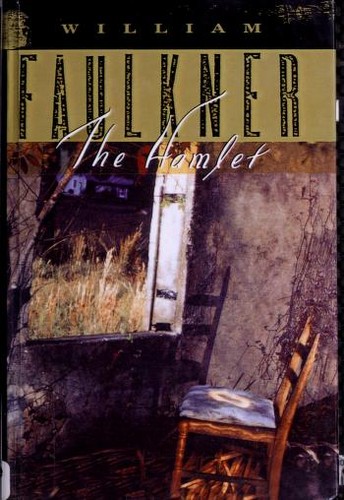
No. 86 on this list. The Hamlet
William Faulkner · 1940
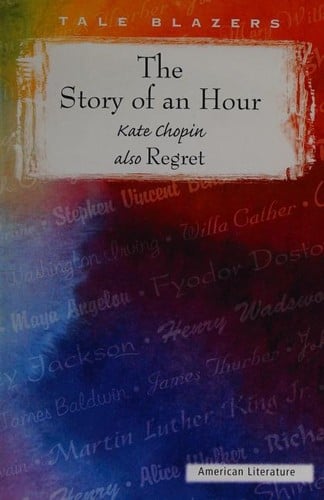
No. 87 on this list. The Story of an Hour
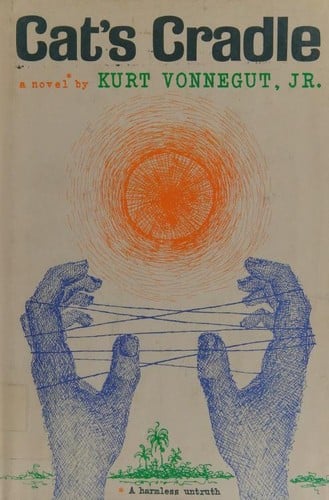
No. 88 on this list. Cat's Cradle
Kurt Vonnegut · 1963
No. 89 on this list. Interpreter of Maladies
Jhumpa Lahiri · 2000
No. 90 on this list. In a Free State
V.S. Naipaul · 1971
No. 91 on this list. Man's Fate
André Malraux · 1933
No. 92 on this list. Family Ties
Clarice Lispector · 1960
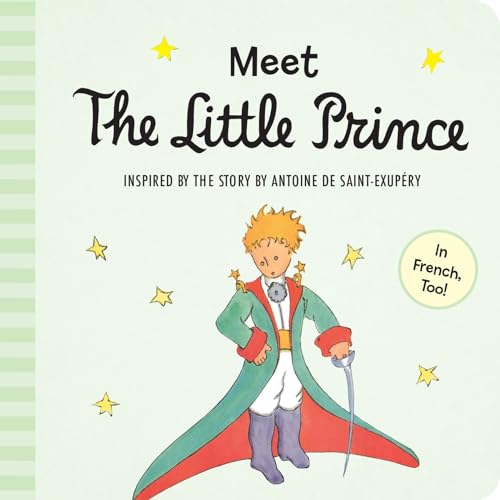
No. 93 on this list. Meet the Little Prince
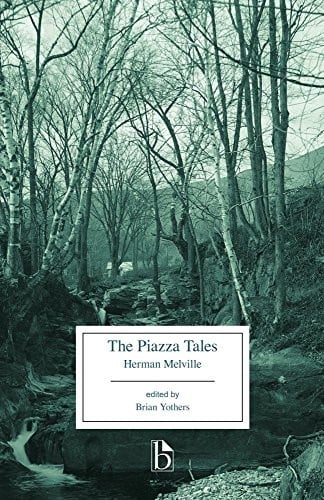
No. 94 on this list. The Piazza Tales
Herman Melville · 1856
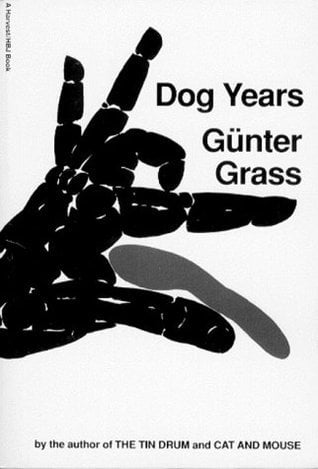
No. 95 on this list. Dog Years
Günter Grass · 1963
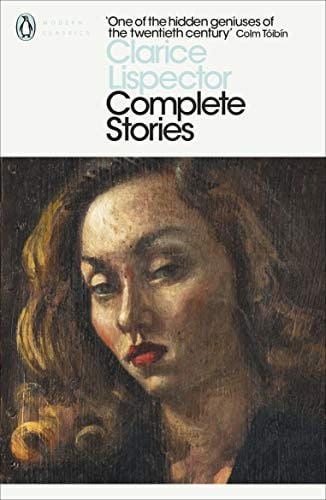
No. 96 on this list. The Complete Stories
No. 97 on this list. Rubaiyat of Omar Khayyam
Omar Khayyam · 1120
No. 98 on this list. The Autumn of the Patriarch
Gabriel García Márquez · 1975
No. 99 on this list. The Ghost Writer
Philip Roth · 1979
No. 100 on this list. Lanark: A Life in Four Books
Alasdair Gray · 1981

About this list
These 100 books are the highest-scoring eligible books about solitude and connection currently in the catalogue. About 775 hours of reading in all, for the 97 with measured lengths. Difficulty runs from 52 to 66 out of 100 for the middle half of the list; the summit is In the Heart of the Heart of the Country at 87.
This list is ranked by literary regard, with a consistent order for equal scores. Membership follows authors and co-authors, not translators or editors. A book is here when ReadingRate files it under Solitude & Connection as one of its primary reading domains, at a confidence of 0.8 or more. Catalogue coverage and the historical canon both limit what this list can represent.
When we matched the Canons dataset to our catalogue in October 2026, our canonical-status scores rose with the number of school curricula, publisher series and lists in it that cite a work: the median score was 72 for books one such source cites, 84 at two, 88 at three, 92 at four and 93 at five or more. Prizes are left out of that count. Outside the state curricula, the dataset’s sources choose mostly from what has been translated into English or French, so it is a weaker check on other literatures. Source: Canons (Andrew Piper), CC BY 4.0
Questions people actually ask
- What are the best books about solitude and connection?
- By literary regard, which weighs canonical status, critical standing and influence: One Hundred Years of Solitude by Gabriel García Márquez, Selected Stories by Anton Chekhov, Metamorphosis and Other Stories by Franz Kafka, The Flowers of Evil by Charles Baudelaire and The Metamorphosis Annotated by Franz Kafka. ReadingRate ranks 100 such books, each with a difficulty score and a reading-time estimate.
- Which books about solitude and connection should I read first?
- Start from difficulty, not from rank. The most approachable books on this list that still carry top literary regard are The Hobbit by J.R.R. Tolkien (about 5 hours), Meditations in an Emergency by Frank O'Hara and Of Mice and Men by John Steinbeck.
- What are the shortest of the best books about solitude and connection?
- Among the top 25, the shortest are Meghaduta by Kalidasa (about 26 min), Happy Days by Samuel Beckett (about 46 min) and The Metamorphosis Annotated by Franz Kafka (about 1.6 hours), at an average pace of 250 words a minute adjusted for each book's difficulty.
- Which of the best books about solitude and connection are the established classics?
- By canonical status, how firmly a book sits in curricula, anthologies and the canon: One Hundred Years of Solitude by Gabriel García Márquez, Kokoro by Natsume Sōseki, Frankenstein or, The Modern Prometheus by Mary Shelley, Metamorphosis and Other Stories by Franz Kafka and The Flowers of Evil by Charles Baudelaire.
- Can I read any of these books about solitude and connection for free?
- 13 of the 100 open in ReadingRate's reader with a free account, from public-domain editions: David Copperfield, Coriolanus, The Return of the Native, Death in Venice, Uncle Vanya and 8 more.
- How long would it take to read the top ten?
- About 73 hours for the 9 with measured lengths, at an average pace of 250 words a minute adjusted for each book's difficulty: 37 days at two hours a day. Set your own pace on the page and the list's reading times change to it.
- How hard are books about solitude and connection to read?
- Most of this list sits between 52 and 66 on ReadingRate's 100-point difficulty scale, where 40 to 55 is moderate. The summit is In the Heart of the Heart of the Country at 87. Every entry carries its own score, so a reader can pick a great book at a difficulty they will finish.
- How is this list ranked?
- On literary-regard data: how canonically established a work is, its critical standing, and its influence on later writing. It is not a readers’ poll, which is why recent bestsellers rarely appear. Membership follows authors and co-authors, not translators or editors. Lists by country, author, period, theme or difficulty keep to literature: fiction, poetry and drama, with no philosophy, criticism or theory. A list of a kind of book, such as philosophy, memoir or criticism, keeps every book of that kind. Every list holds at most three works by one author. A book is here when ReadingRate files it under Solitude & Connection as one of its primary reading domains, at a confidence of 0.8 or more.