
Hours at an average pace
Showing 100 books
About 1,231 hours for 97 of 100 books with measured lengths. Estimates use 250 words a minute, adjusted for each book's difficulty. At 2 hours a day, about 616 days for those books.
No. 1 on this list. ULYSSES (The Original 1922 Edition): Enriched edition. A Modernist Dublin Day of Stream-of-Consciousness, Identity, and Odyssey Echoes
Very Difficult26 hours
It is the defining modernist text, taught in virtually every twentieth-century literature course and routinely ranked among the greatest novels.
No. 2 on this list. The Waste Land
T. S. Eliot · 1922
Very Difficult34 min
Taught in schools: Pacific Senior Secondary Certificate – English
Included in: Great Books of the Western World
It is in Great Books of the Western World and a recommended text in Pacific senior school English. The Wikipedia article exists in 35 languages. It is the defining modernist poem, taught in nearly every 20th-century literature course.
No. 3 on this list. Moby-Dick
Herman Melville · 1851
Difficult26 hours
Included in: Bokklubben World Library, Great Books of the Western World
Melville poured cetology, Shakespearean soliloquy, sermon, sea shanty, and metaphysical dread into one whaling voyage, creating a book that operates simultaneously as adventure novel, encyclopedia, and prose poem about obsession. Nothing in American literature before or since has this range of register in a single work.
No. 4 on this list. Waiting for Godot
Samuel Beckett · 1953
Difficult2.4 hours
Included in: Great Books of the Western World
Waiting for Godot appears on virtually every comparative literature, modern drama, and theater studies syllabus worldwide, and is listed in Open Syllabus's Top 500 Literature titles. The Wikipedia article exists in 68 languages, and the play has been continuously performed since its 1953 Paris premiere. Le Monde named it among the 100 Books of the Century. It is as canonical as any play written after Shakespeare.
The Metamorphosis is taught widely in high school and university world literature courses, and Kafka's name gave 'Kafkaesque' to the language. This edition is a modern collection of well-established works. It stands near The Great Gatsby in classroom ubiquity.
No. 6 on this list. The Stranger
Albert Camus · 1942
Challenging3 hours
Included in: Bokklubben World Library
The Stranger appears on Le Monde's 100 Books of the Century, the Open Syllabus Top 500 Literature list, and 1001 Books You Must Read Before You Die. Published in prestige editions by both NYRB Classics and Penguin Modern Classics, it is one of the most assigned existentialist texts in university world literature courses across Europe, North America, and beyond.
Moby-Dick is a cornerstone of American literature courses and is regularly called the Great American Novel. It is taught in high schools, colleges and graduate seminars.
The Metamorphosis is one of the most taught works of modern fiction, found in world literature and German courses everywhere. This annotated 2020 edition is a reissue of that canonical text.
No. 9 on this list. The Life and Opinions of Tristram Shandy, Gentleman
Laurence Sterne · 1759
Difficult27 hours
Included in: Bokklubben World Library, Great Books of the Western World
Tristram Shandy is one of the most taught 18th-century English novels in university literature programs worldwide, appearing on virtually every course covering the development of the novel form, postmodernism avant la lettre, and experimental fiction. It consistently appears on lists of the greatest novels in the English language — Modern Library, Penguin Classics, academic consensus lists — and is the foundational text for any discussion of metafiction and narrative self-consciousness. Its canonical status is second only to Fielding's Tom Jones among 18th-century English prose fiction.
No. 10 on this list. Dubliners
James Joyce · 1914
Difficult8.1 hours
Taught in schools: CSEC English B – Caribbean Examinations Council
Dubliners appears on 1,771 university syllabi according to the Open Syllabus Project (81st percentile), making it a fixture in modernist literature and short fiction courses worldwide. Its Wikipedia article spans 43 languages, and prestige editions from Penguin Classics and NYRB Classics attest to its sustained standing as essential reading. Every serious curriculum in Irish, British, or modernist literature includes it.

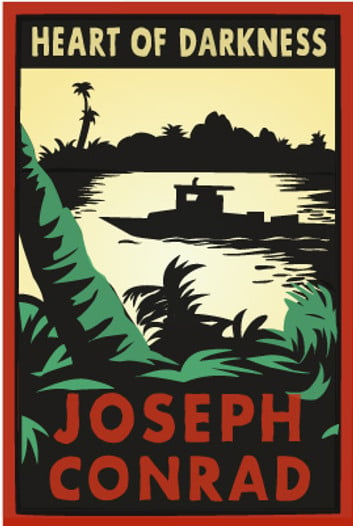
No. 11 on this list. Heart of Darkness · Joseph Conrad · 1899
Taught in schools: Pacific Senior Secondary Certificate – English, Pearson Edexcel GCSE and A-level English Literature (UK)
Included in: Great Books of the Western World
Appears on 5,515 university syllabi according to Open Syllabus (93.5th percentile), placing it above The Great Gatsby in teaching frequency. Listed on the Modern Library 100 Best Novels (1998) and consistently featured on 'essential reading' lists. Wikipedia articles exist in 49 languages, reflecting global canonical reach.
Challenging4 hours
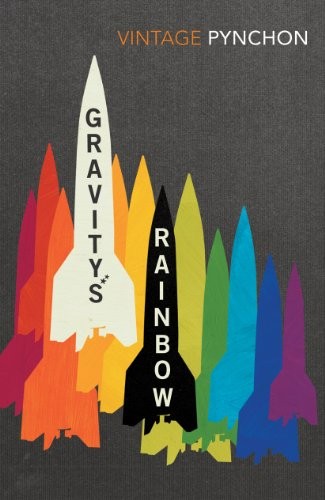
Read nowNo. 12 on this list. Gravity's Rainbow · Thomas Pynchon · 1973
Thomas Pynchon constructs an encyclopedic paranoid masterwork spanning 760 pages of rocket science, Pavlovian conditioning, corporate conspiracy, and encyclopedic digression. Tyrone Slothrop, American lieutenant in wartime London, discovers his sexual conquests map perfectly onto V-2 rocket strike locations—but the erections precede the impacts. Was he conditioned as an infant by sinister behaviorist Laszlo Jamf? Does a corporate-military cartel control history itself? Pynchon provides evidence for every paranoid connection while confirming none. The novel sprawls across 1944-45 Europe, from London under rocket attack to occupied Germany's anarchic Zone, accumulating hundreds of characters, corporate entities, chemical formulas, and historical conspiracies. Pynchon's prose shifts registers violently: technical manuals on rocket engineering dissolve into vaudeville routines, then into lyrical meditations on death and entropy. The vocabulary demands encyclopedic knowledge—thermodynamics, organic chemistry, Tarot, Rilke, film history, brand names. Readers navigate specialized jargon without glossaries, track characters who appear once and vanish, decode references to real and imaginary corporations. The difficulty is purposeful: Pynchon creates textual experience of paranoid information overload. His central symbol, the V-2 rocket, carries impossible symbolic weight: phallic death-bringer, technological sublime, gravity's rainbow parabola from launch to silent impact. The rocket arrives before its sound—death you cannot hear coming. Pynchon explores how technology transforms human consciousness, how corporations and states use Pavlovian conditioning for control, how empire produces extinction (the dodo, the Herero genocide). Concrete plot events—Slothrop's investigation, Roger and Jessica's doomed love, Blicero's ritual rocket launch—carry enormous abstract weight about history, causation, and freedom. The novel asks whether patterns are real or paranoid projection: does Slothrop's conditioning prove control, or is it coincidence interpreted as conspiracy? Pynchon withholds answers. The structure mirrors paranoid thinking—everything potentially connects, secret cartels manipulate history, individual agency vanishes into systems. Slothrop himself fragments as the novel progresses, appearing less frequently, dissolving into scattered references, finally disappearing entirely. The dissolution is structural: as Slothrop loses coherence, so does the narrative. Subplots proliferate, the center fails to hold, entropy increases. The ending places readers in a movie theater in Los Angeles, present tense, as the 00000 rocket descends toward them. The novel freeze-frames before impact, leaving readers perpetually awaiting the explosion. No resolution occurs—narrative, thematic, or moral. Gravity's Rainbow withholds the satisfactions of conventional fiction while demanding enormous interpretive labor. Its encyclopedic scope, technical difficulty, and paranoid plotting make it among English literature's most challenging novels. Pynchon proved unreadability and importance could coexist, that difficulty itself could be the point. The novel's influence on postmodern fiction is incalculable—it established new possibilities for combining history, science, and popular culture in maximalist form. Reading it requires surrender to accumulation, pattern-seeking without resolution, immersion in encyclopedic detail that may or may not signify. The reward is experiencing consciousness under late capitalism: paranoid, fragmented, overwhelmed by information, seeking patterns in noise, awaiting the rocket's silent arrival.
Difficult52 hours
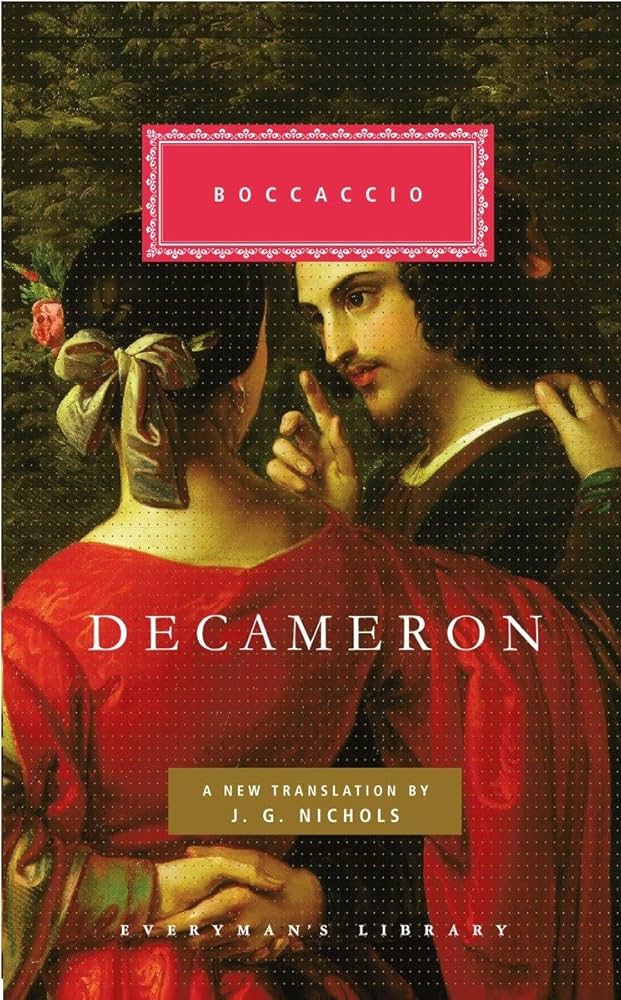
Start this bookNo. 13 on this list. The Decameron · Giovanni Boccaccio · 1353
Included in: Bokklubben World Library
Ten young Florentines flee the Black Death and tell a hundred stories—bawdy, tragic, satirical—that give prose fiction its first great architecture. Chaucer borrowed from it, and the frame-narrative technique Boccaccio perfected here became the scaffolding for centuries of European storytelling.
Moderate20 hours
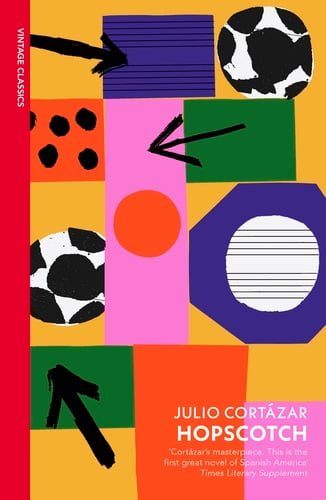
Read nowNo. 14 on this list. Hopscotch · Julio Cortázar · 1963
Rayuela is one of the core novels of the Latin American Boom, taught in Spanish and world literature courses across the Americas and Europe. It appears on most lists of the great Spanish-language novels of the century.
Difficult20 hours
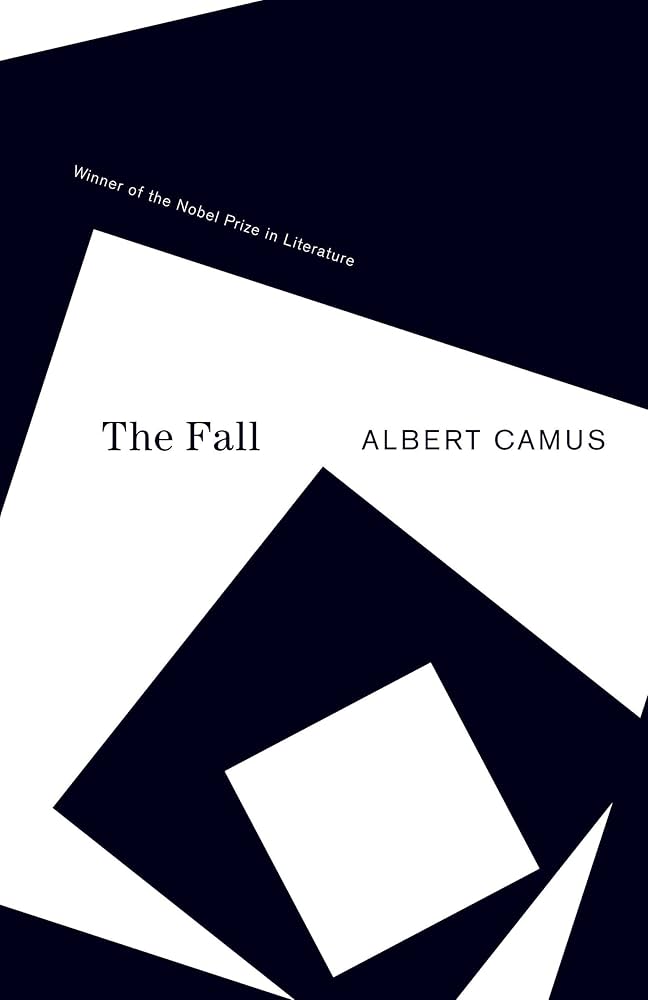
Start this bookNo. 15 on this list. The Fall · Albert Camus · 1956
Published 1956, The Fall holds secure position in the twentieth-century canon as Camus's most formally accomplished and philosophically complex fiction. Widely taught in philosophy and literature courses as paradigmatic existentialist text, it appears on major 'best of century' lists and maintains continuous scholarly attention. Its status benefits from Camus's Nobel Prize (1957) and from representing the mature synthesis of his philosophical fiction after The Stranger and The Plague.
Challenging2.6 hours
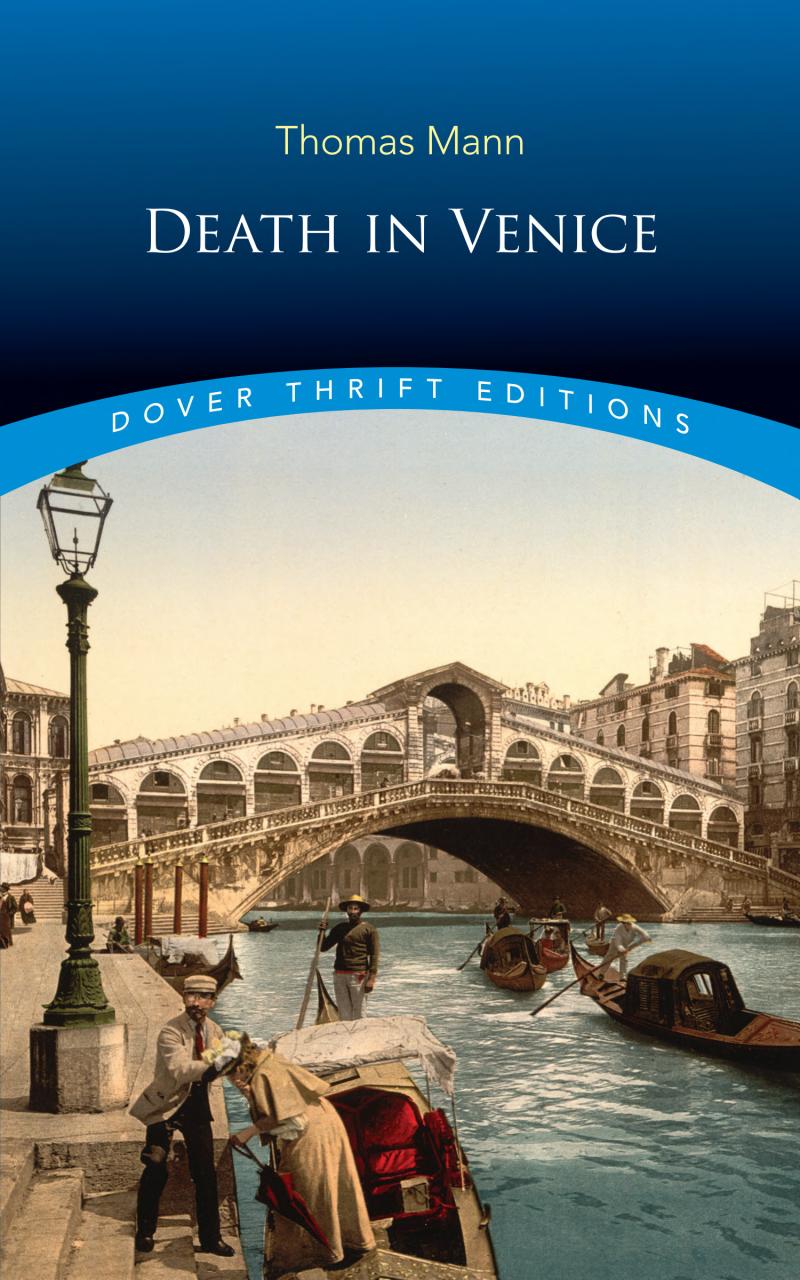
Start this bookNo. 16 on this list. Death in Venice · Thomas Mann · 1912
Included in: Great Books of the Western World
Death in Venice appears on virtually every German literature, European modernism, and queer theory university syllabus taught in the English-speaking world. It is a standard text in comparative literature programs alongside Kafka's Metamorphosis and Rilke's Duino Elegies. Wikipedia maintains articles on the novella in over 50 languages, and it features on most 'essential modern literature' lists.
Challenging11 hours
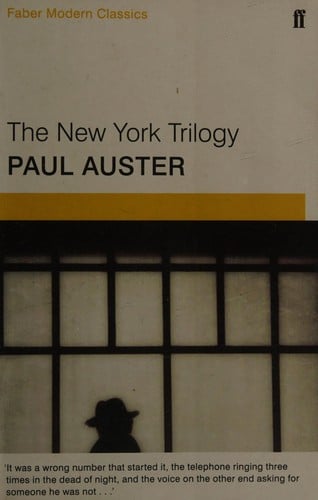
Read nowNo. 17 on this list. The New York Trilogy · Paul Auster · 1987
The New York Trilogy stands as the defining work of American postmodern noir and one of the most influential experimental novels of the 1980s. It appears consistently on syllabi for postmodern fiction, metafiction, and American literature courses, and is cited as a foundational text in discussions of the detective genre's literary transformation. Published in the US by Penguin Books (1987 combined edition), it has remained continuously in print for four decades. It appears on numerous "greatest novels" lists and is central to critical discourse on identity, authorship, and the limitations of language in contemporary fiction.
Very Difficult19 hours
Start this bookNo. 18 on this list. Pedro Páramo · Juan Rulfo · 1955
Taught in schools: Literatura, Diseño Curricular – Provincia de Buenos Aires (Argentina), UNAM Escuela Nacional Preparatoria – programas de Literatura (Mexico)
Included in: Bokklubben World Library
Pedro Páramo is the foundational text of Latin American modernism, present in nearly every world literature curriculum globally. Its Wikipedia article spans 26 languages. García Márquez credited it with teaching him how to write One Hundred Years of Solitude — a direct line of influence that alone ensures canonical permanence. Penguin Modern Classics published it in 1961.
Difficult3.6 hours
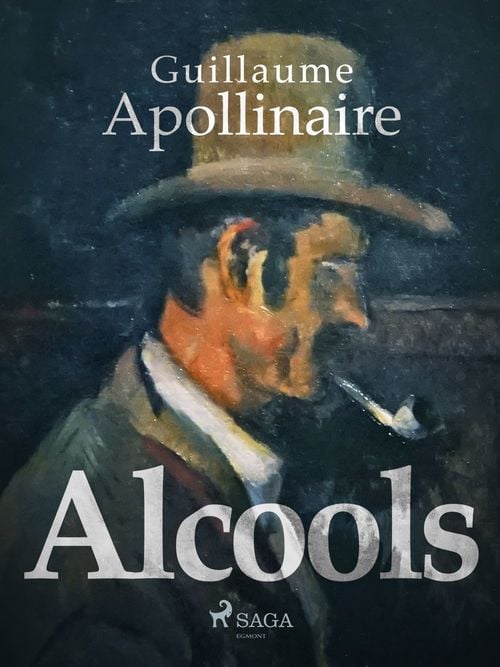
Start this bookNo. 19 on this list. Alcools · Guillaume Apollinaire · 1913
Le Monde named it one of the 100 Books of the Century and it sits on the Open Syllabus Top 500 for literature. French schools teach Le Pont Mirabeau and Zone widely, and the book anchors French modernist poetry.
Challenging1.6 hours
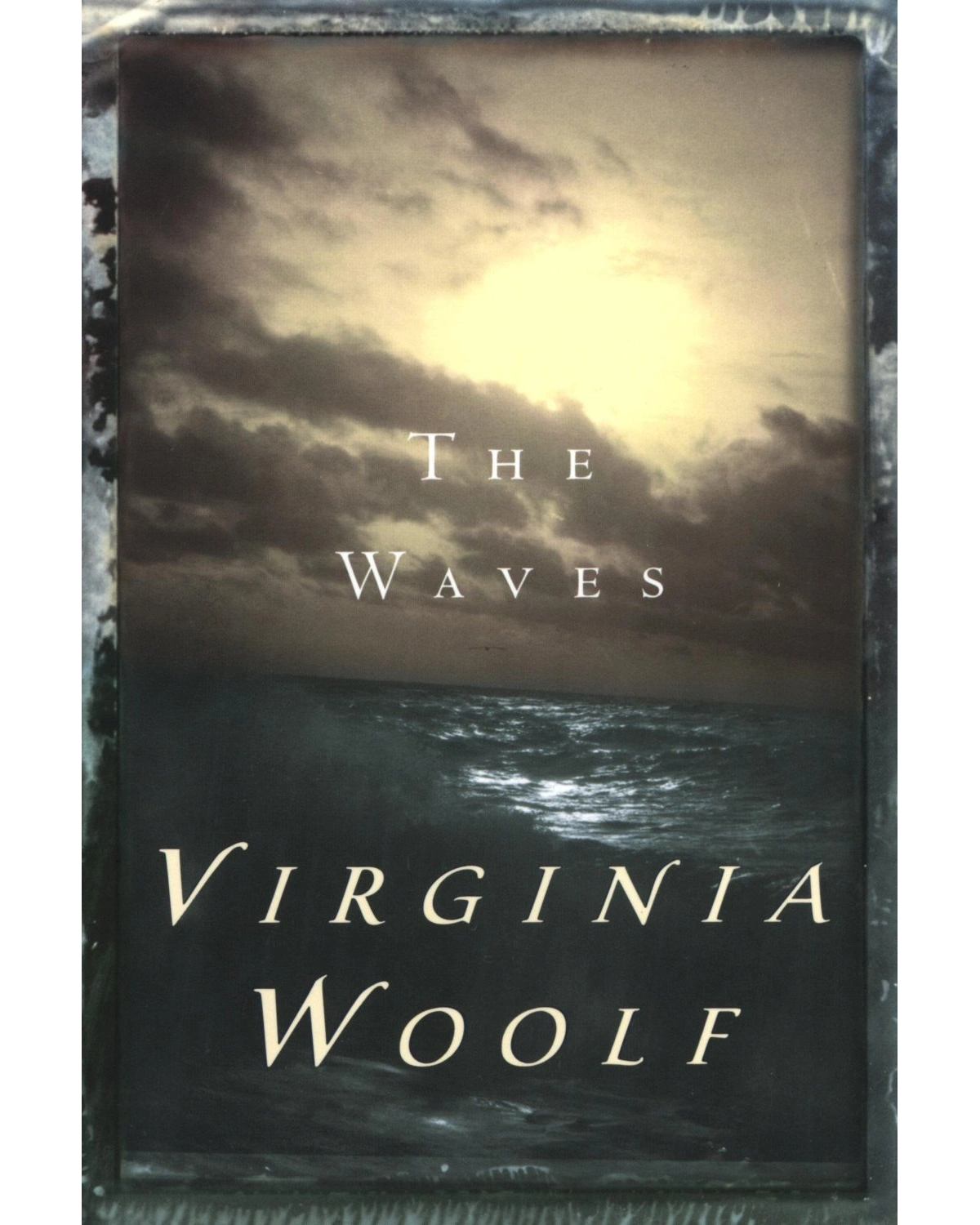
Read nowNo. 20 on this list. The Waves · Virginia Woolf · 1931
Recognized as Woolf's most ambitious experiment. Central to modernist studies.
Difficult9.5 hours
Start this book
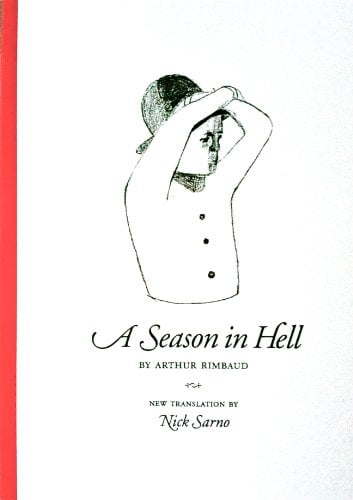
No. 21 on this list. A Season in Hell · Arthur Rimbaud
Taught widely in French literature and in courses on modern poetry, symbolism and the origins of the avant-garde. It is a central text of French modernism, though it appears less often in general curricula than major novels.
Difficult1.1 hours
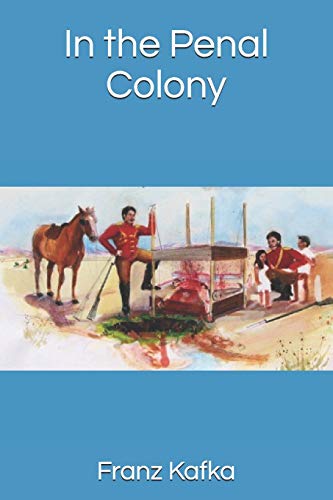
Start this bookNo. 22 on this list. In the Penal Colony · Franz Kafka · 1919
In the Penal Colony is among Kafka's most widely taught stories, a standard text in courses on modernism, German literature and literature and the law. It is reprinted in almost every major Kafka collection.
Challenging42 min
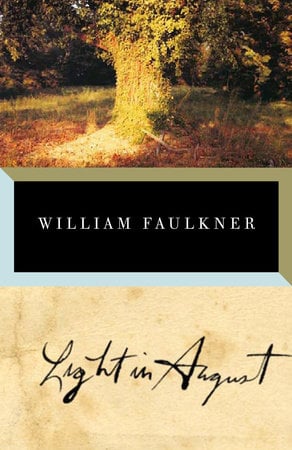
Start this bookNo. 23 on this list. Light in August · William Faulkner · 1932
Faulkner's most accessible major novel. Joe Christmas's search for identity became the definitive portrait of American racial tragedy. Core text in Southern literature and American studies.
Challenging14 hours
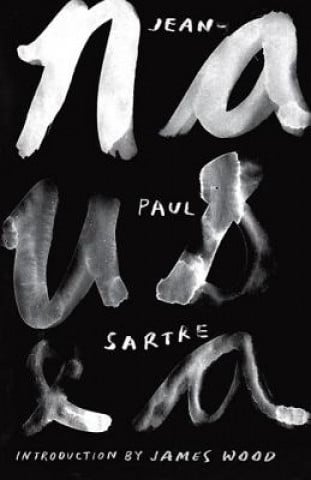
Start this bookNo. 24 on this list. Nausea · Jean-Paul Sartre · 1938
Nausea is universally taught in existentialism courses, philosophy of literature seminars, and twentieth-century European fiction surveys. It introduced French existentialism to literature and remains essential reading for understanding modernism's relationship to philosophy. It appears on virtually every list of the century's most important novels.
Challenging6.7 hours
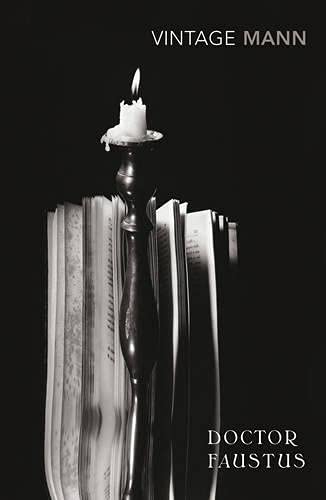
Start this bookNo. 25 on this list. Doctor Faustus · Thomas Mann · 1947
Routinely cited as Mann magnum opus and the great novel of German catastrophe. Taught as essential modernist text.
Difficult34 hours
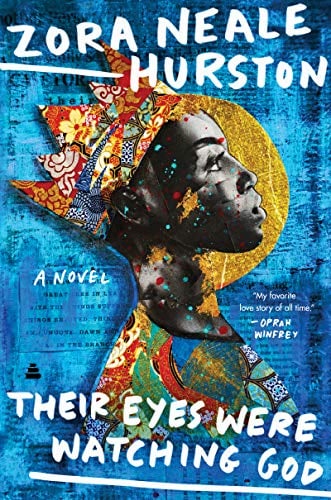
Start this bookNo. 26 on this list. Their Eyes Were Watching God · Zora Neale Hurston · 1937
Taught in schools: Common Core text exemplars (Appendix B) (US)
Appears on 3,011 university syllabi according to the Open Syllabus Project (86.97th percentile), placing it among the most-taught American novels. Featured on TIME's All-TIME 100 Novels list and published in prestigious Library of America and Everyman's Library editions — markers of sustained institutional recognition. Available in 9 Wikipedia languages, reflecting global reach in academic and literary circles.
Challenging5.3 hours
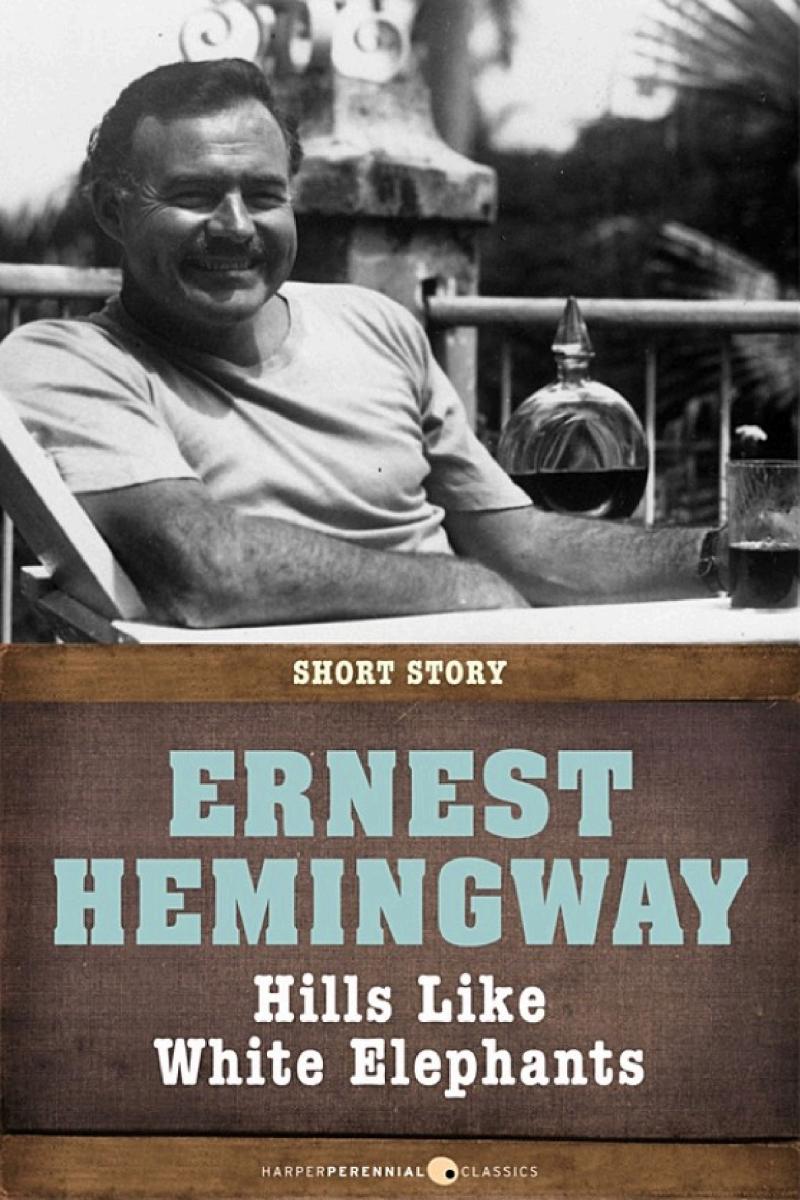
Start this bookNo. 27 on this list. Hills Like White Elephants · Ernest Hemingway · 1927
One of the most anthologized short stories in English, taught in high school and college courses as the model of the iceberg technique. It sits just below the novels at the centre of the American curriculum.
Moderate7 min
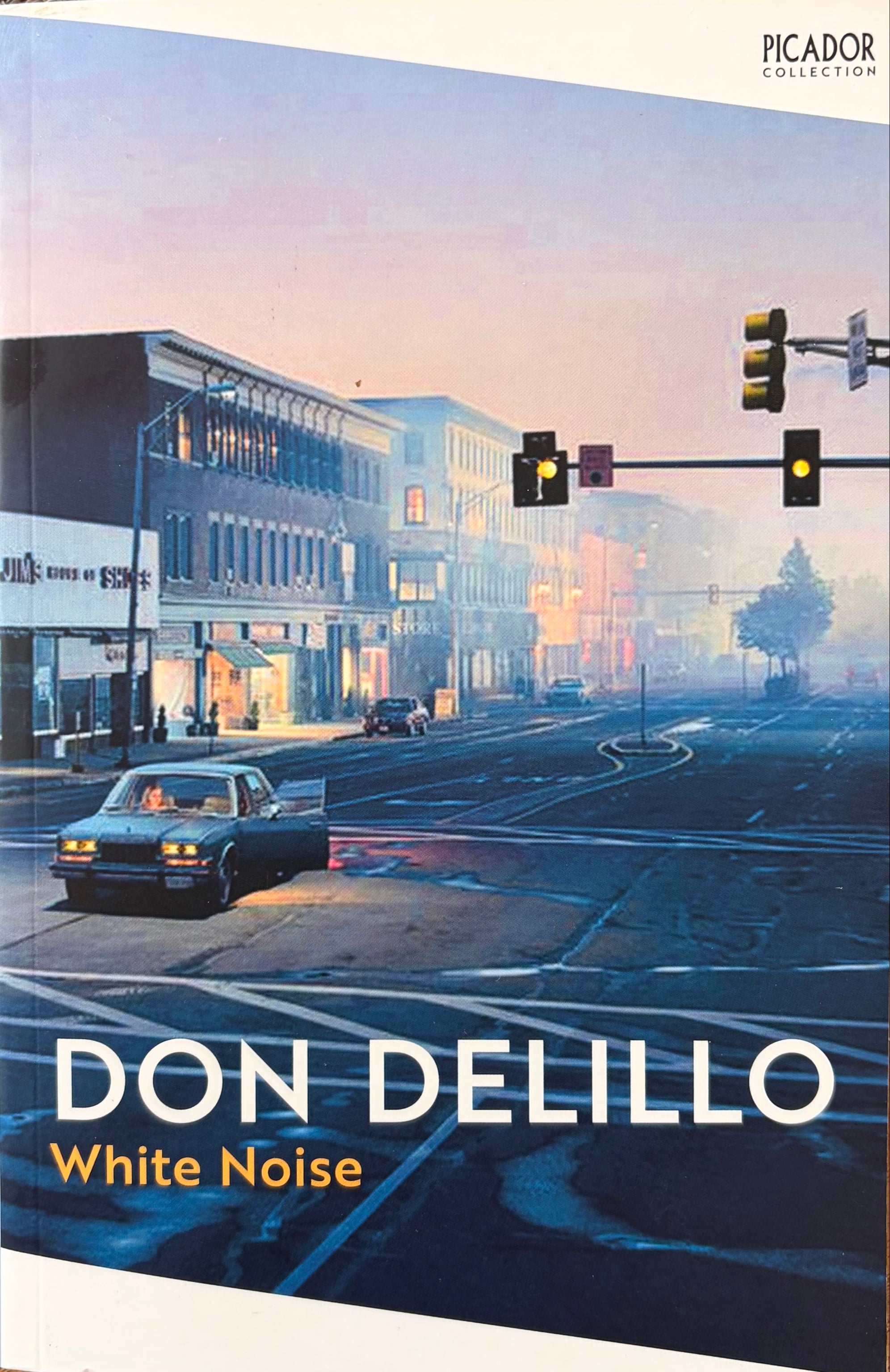
Start this bookNo. 28 on this list. White Noise · Don DeLillo · 1985
The definitive novel of American postmodern anxiety. The Airborne Toxic Event, the supermarket as cathedral, the fear of death—DeLillo captured how Americans live among systems they cannot understand.
Challenging9.4 hours
Start this bookNo. 29 on this list. V. · Thomas Pynchon · 1963
V. appears on hundreds of university syllabi in American literature, postmodernism, and world fiction courses, and is consistently ranked among the essential American novels of the twentieth century by critics and scholars. It appears on the Modern Library 100 Best Novels list and Time magazine's All-TIME 100 Novels. Less universally assigned than Pynchon's Gravity's Rainbow in terms of academic prestige, but the more frequently taught first novel in postmodern American fiction sequences.
Difficult25 hours
Start this bookNo. 30 on this list. Montage of a Dream Deferred · Langston Hughes · 1951
The poem 'Harlem' is among the most anthologized in American schools, and the sequence is central to Harlem Renaissance and postwar poetry courses. Hansberry's A Raisin in the Sun carries its title into every drama curriculum.
Challenging22 min
Start this book
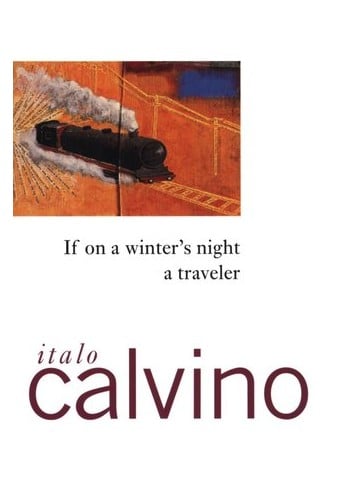
No. 31 on this list. If on a Winter’s Night a Traveler
Italo Calvino · 1982
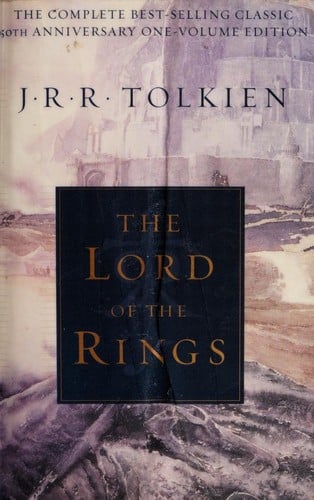
No. 32 on this list. The Lord of the Rings (The Lord of the Rings, #1-3)
J.R.R. Tolkien · 1954
Taught in schools: Pacific Senior Secondary Certificate – English
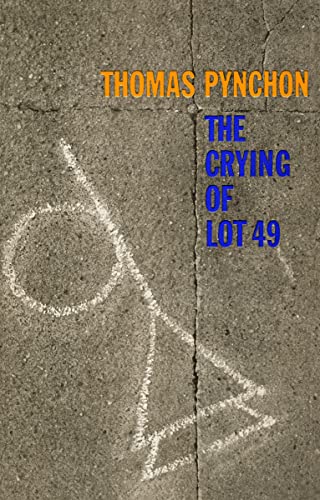
No. 33 on this list. The Crying of Lot 49
Thomas Pynchon · 1966
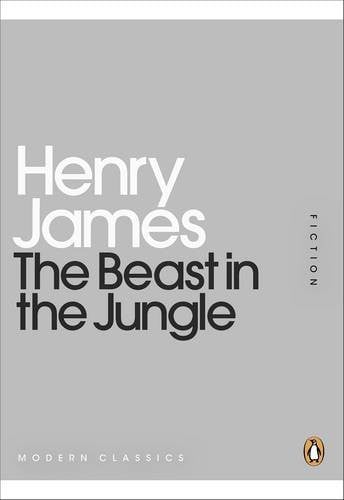
No. 34 on this list. The Beast In The Jungle
Henry James · 1903
Included in: Great Books of the Western World
No. 35 on this list. Jacob's Room
Virginia Woolf · 1922
No. 36 on this list. The Fifth Season
N.K. Jemisin · 2015
No. 37 on this list. Autobiography of Red
Anne Carson · 1999
No. 38 on this list. Women in Love
D.H. Lawrence · 1920
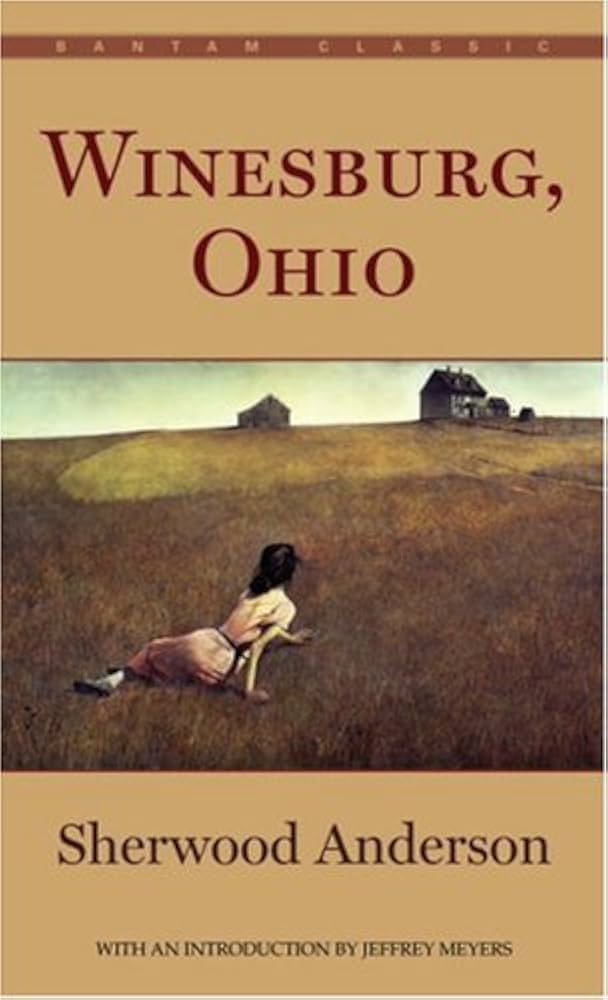
No. 39 on this list. Winesburg, Ohio
Sherwood Anderson · 1919
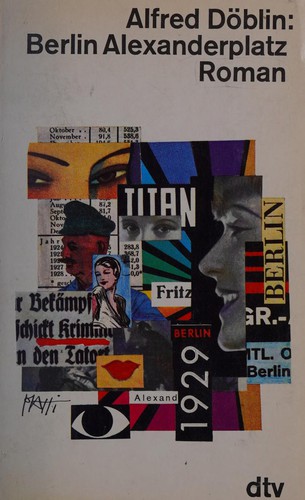
No. 40 on this list. Berlin Alexanderplatz
Alfred Döblin · 1929
Included in: Bokklubben World Library
No. 41 on this list. Joseph Conrad: The Complete Collection
No. 42 on this list. Satantango
László Krasznahorkai · 1985
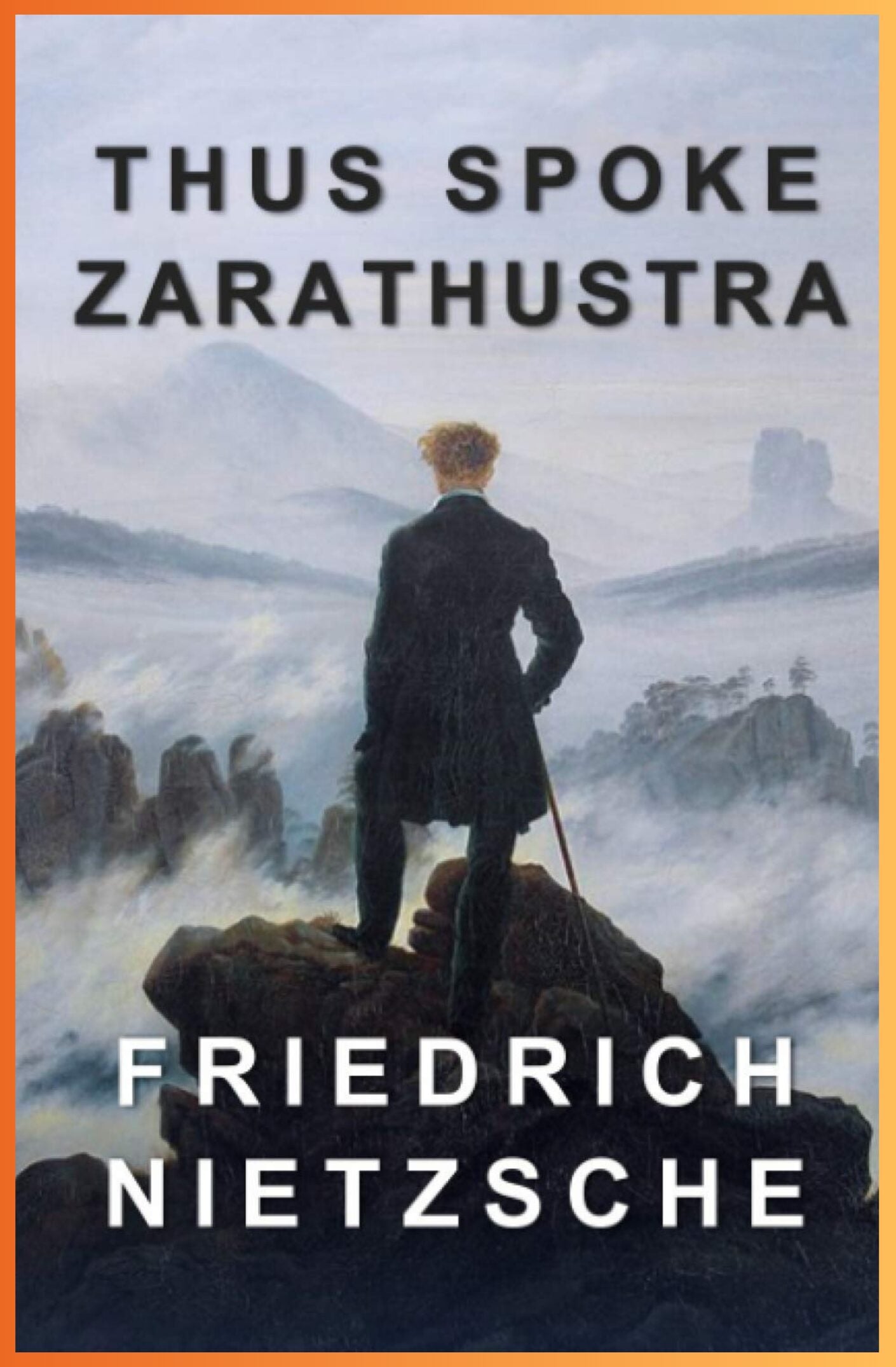
No. 43 on this list. Thus Spoke Zarathustra
Friedrich Nietzsche · 1885
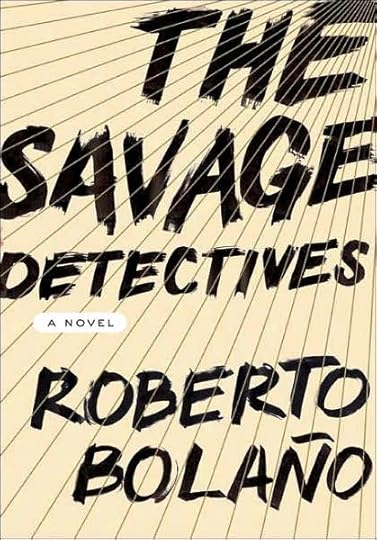
No. 44 on this list. The Savage Detectives
Roberto Bolaño · 1998
Taught in schools: UNAM Escuela Nacional Preparatoria – programas de Literatura (Mexico)
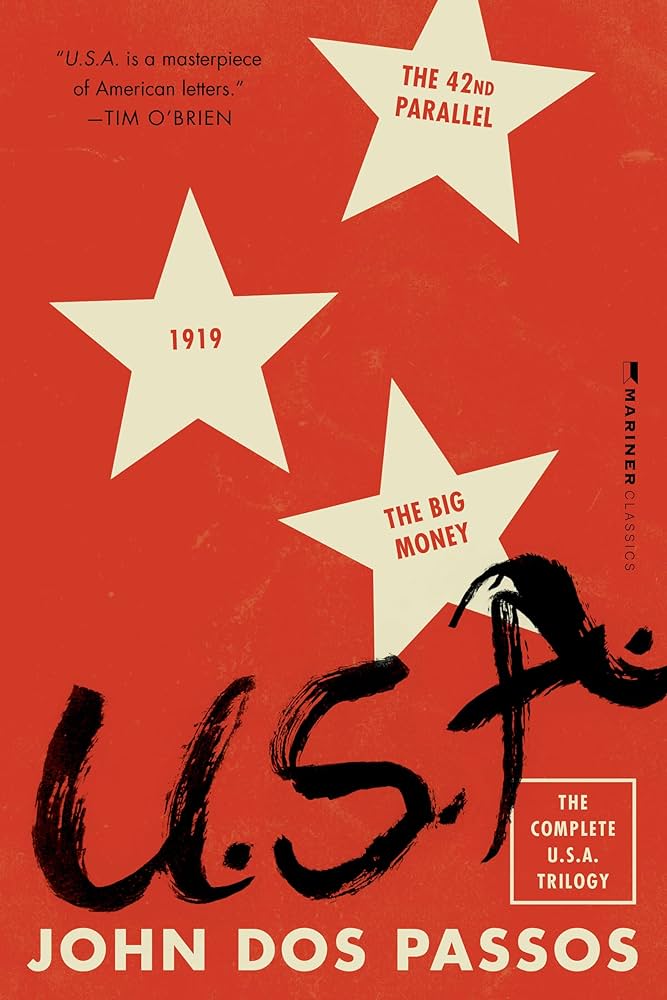
No. 45 on this list. U.S.A.
John Dos Passos · 1938
No. 46 on this list. Água Viva
Clarice Lispector · 1973
No. 47 on this list. Almoço Nu
William S. Burroughs · 2005
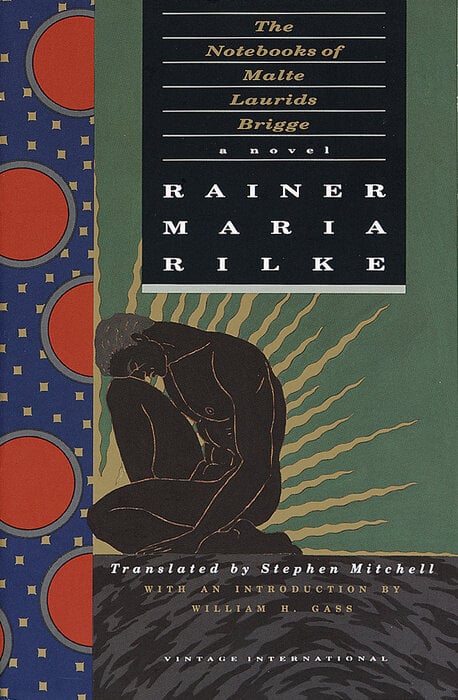
No. 48 on this list. The Notebooks of Malte Laurids Brigge
Rainer Maria Rilke · 1910
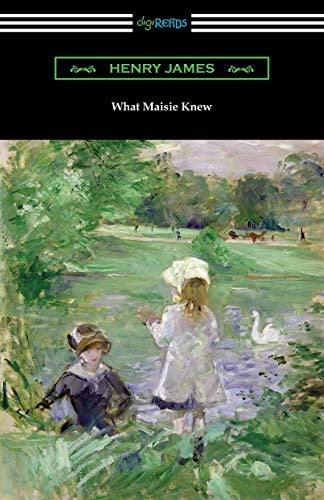
No. 49 on this list. What Maisie Knew
Henry James · 1897
Taught in schools: Pearson Edexcel GCSE and A-level English Literature (UK)
No. 50 on this list. Dune
Frank Herbert · 1965
No. 51 on this list. The Rainbow
D.H. Lawrence · 1915
No. 52 on this list. The Passion According to G.H.
Clarice Lispector · 1964
Taught in schools: FUVEST leituras obrigatórias (USP vestibular) (Brazil)
No. 53 on this list. The Wind-Up Bird Chronicle
Haruki Murakami · 1994
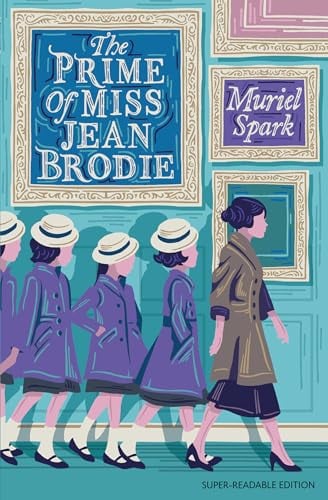
No. 54 on this list. The Prime of Miss Jean Brodie
Muriel Spark · 1961
Taught in schools: CSEC English B – Caribbean Examinations Council
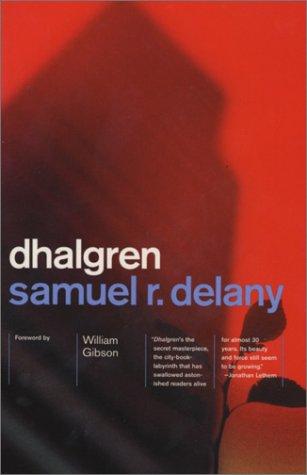
No. 55 on this list. Dhalgren
Samuel R. Delany · 1975
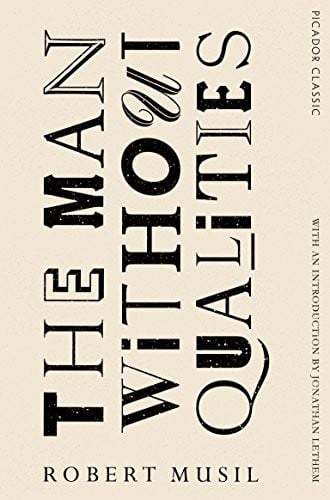
No. 56 on this list. The Man Without Qualities
Robert Musil · 1930
Included in: Bokklubben World Library
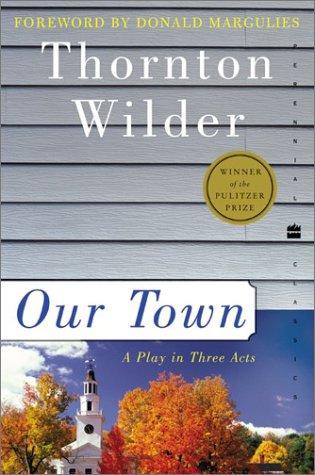
No. 57 on this list. Our Town
Thornton Wilder · 1938
Taught in schools: Common Core text exemplars (Appendix B) (US), CSEC English B – Caribbean Examinations Council
No. 58 on this list. The Hour of the Star
Clarice Lispector · 1977
No. 59 on this list. The Complete Fiction of Nella Larsen: Passing, Quicksand, and The Stories
No. 60 on this list. Nightwood
No. 61 on this list. Ada, or Ardor
Vladimir Nabokov · 1990
No. 62 on this list. Against Nature
Joris-Karl Huysmans · 1884
No. 63 on this list. Glass, Irony and God
Anne Carson · 1995
No. 64 on this list. Дар
Vladimir Nabokov · 1938
No. 65 on this list. Cosmos
Witold Gombrowicz · 1965
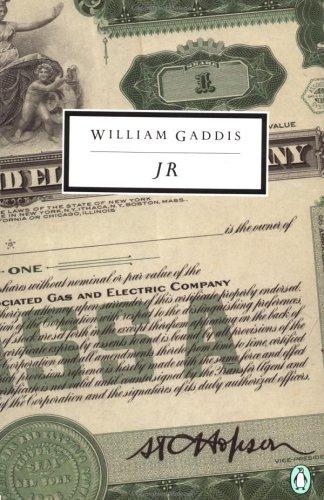
No. 66 on this list. J R
William Gaddis · 1993
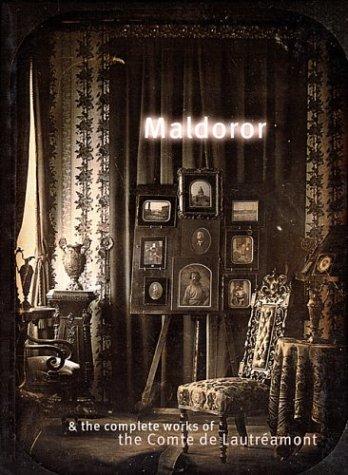
No. 67 on this list. Maldoror and the Complete Works
Comte de Lautréamont · 1869
No. 68 on this list. The Stories of Vladimir Nabokov
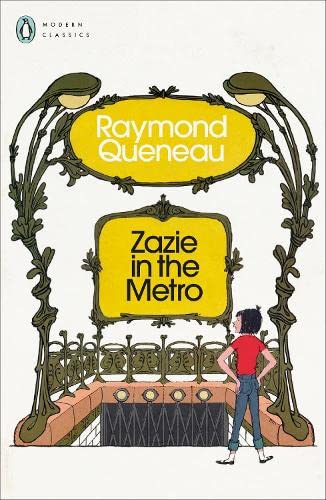
No. 69 on this list. Zazie in the Metro
Raymond Queneau · 1959
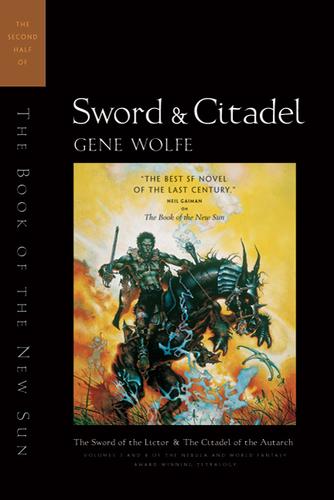
No. 70 on this list. Sword & Citadel
Gene Wolfe · 1994
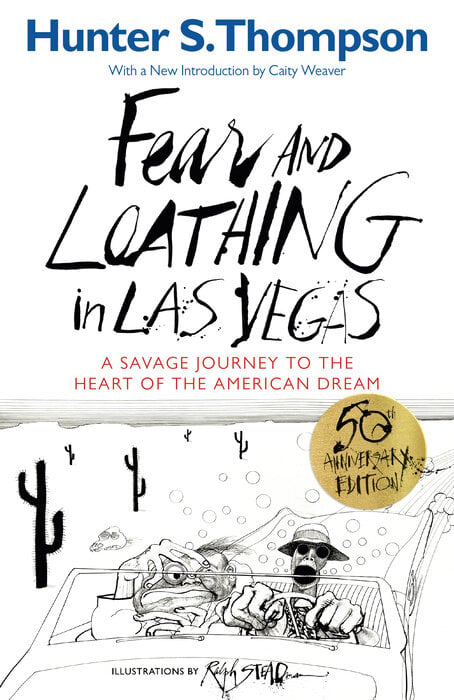
No. 71 on this list. Medo e Delírio em Las Vegas: Uma Jornada Selvagem ao Coração do Sonho Americano
Hunter S. Thompson · 2010
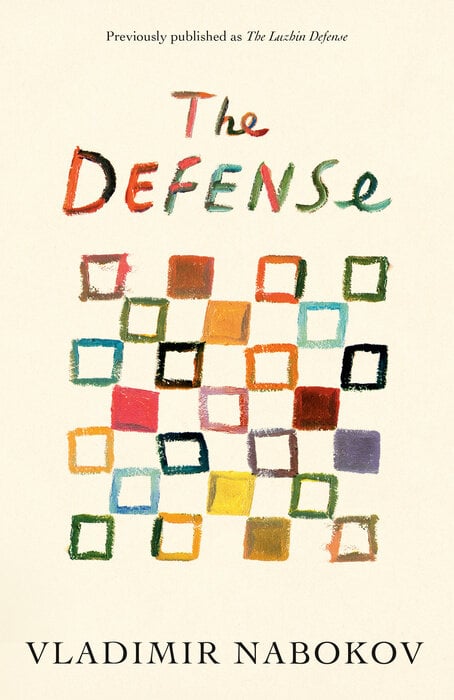
No. 72 on this list. The Luzhin Defense
No. 73 on this list. The Universal Baseball Association, Inc., J. Henry Waugh, Prop.
Robert Coover · 1968
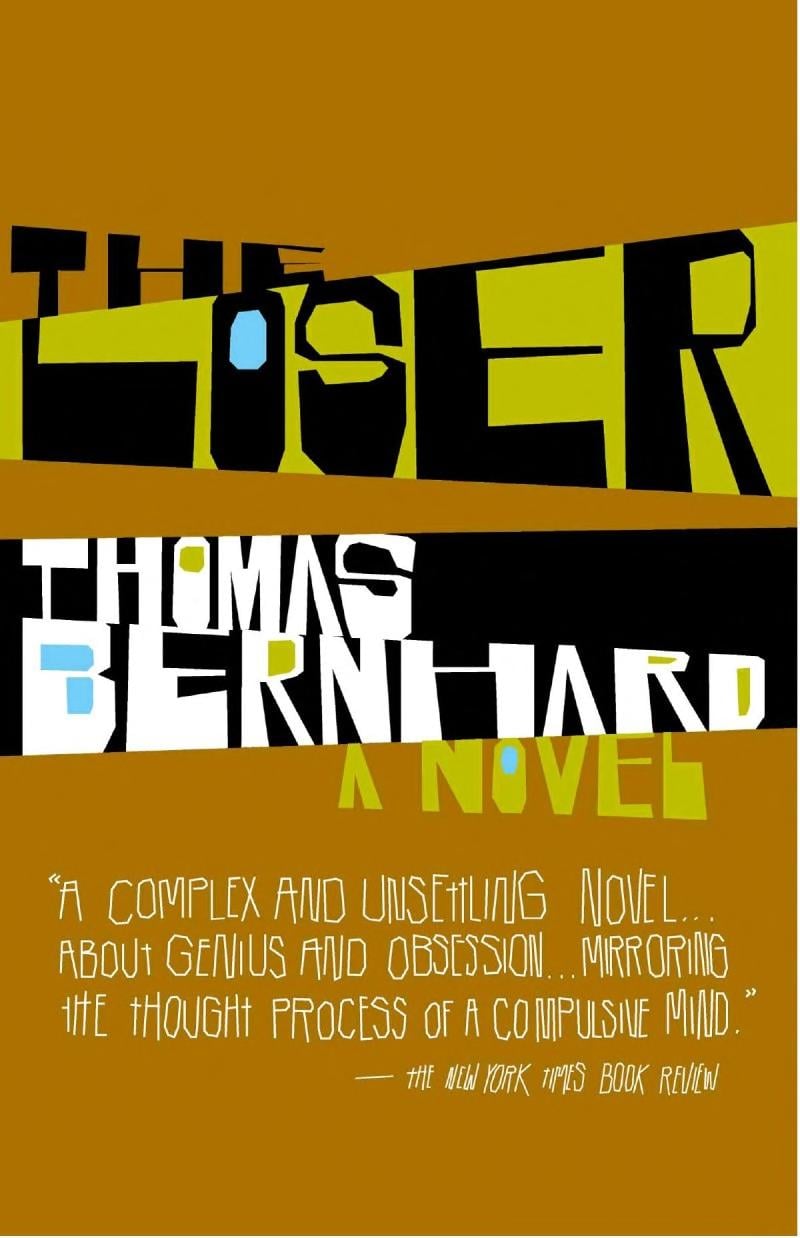
No. 74 on this list. The Loser
Thomas Bernhard · 2013
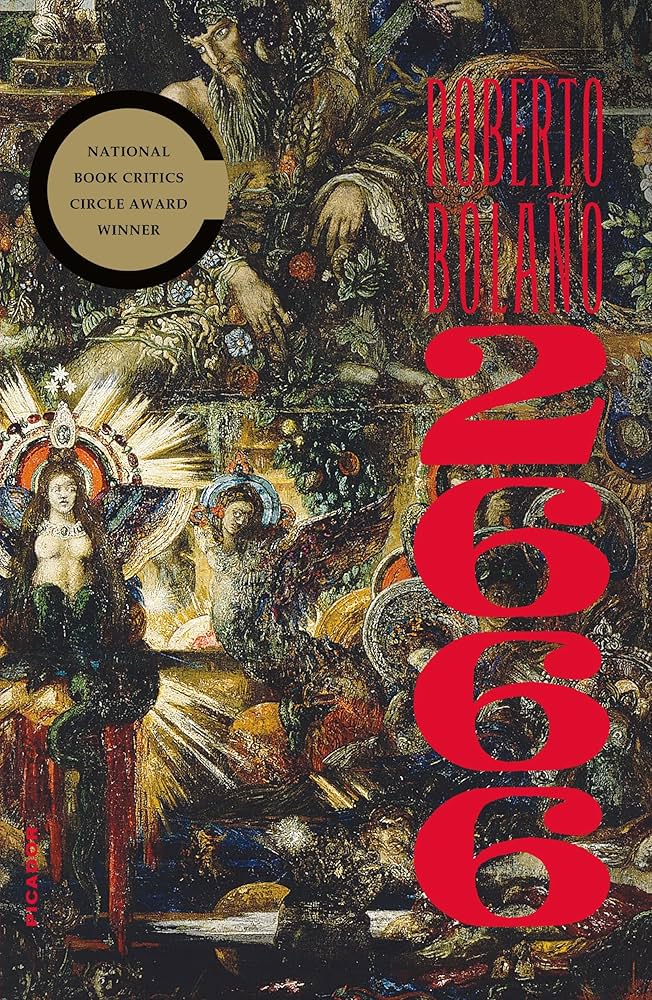
No. 75 on this list. 2666
Roberto Bolaño · 2004
No. 76 on this list. Tropisms
Nathalie Sarraute · 1939
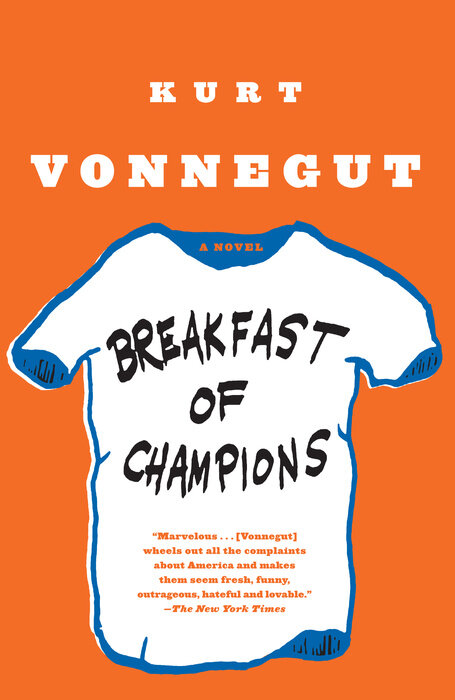
No. 77 on this list. Breakfast of Champions
Kurt Vonnegut · 1973
No. 78 on this list. Nox
Anne Carson · 2010
No. 79 on this list. Your Face Tomorrow: Fever and Spear
Javier Marías · 2002
No. 80 on this list. My Brilliant Friend
Elena Ferrante · 2011
No. 81 on this list. The Private Memoirs and Confessions of a Justified Sinner
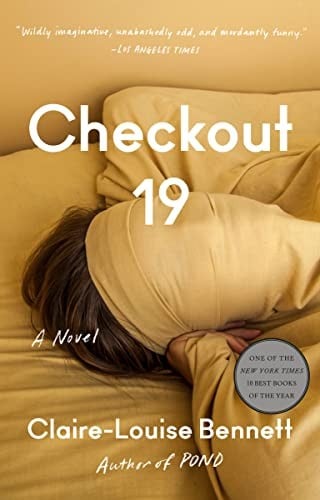
No. 82 on this list. Checkout 19
Claire-Louise Bennett · 2022
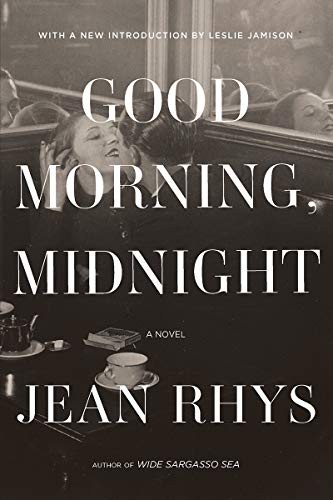
No. 83 on this list. Good Morning, Midnight
Jean Rhys · 1939
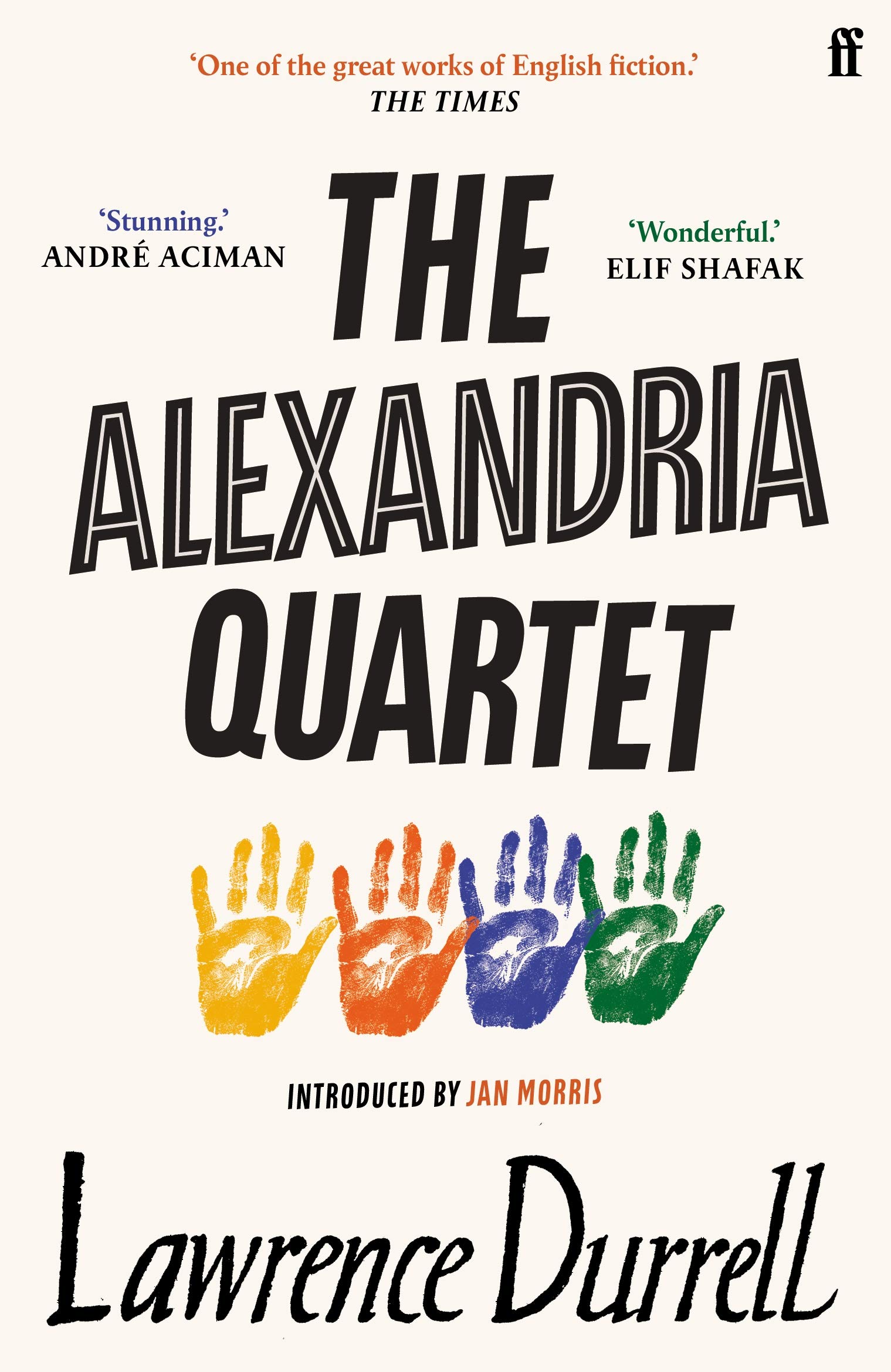
No. 84 on this list. The Alexandria Quartet
Lawrence Durrell · 1960
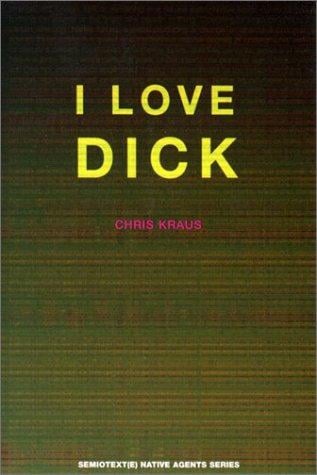
No. 85 on this list. I Love Dick
Chris Kraus · 1997
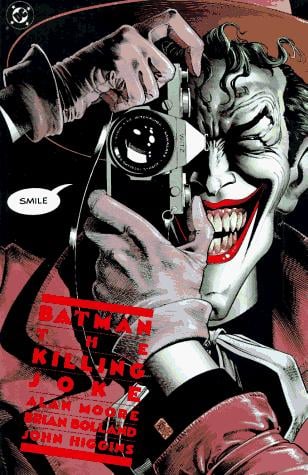
No. 86 on this list. Batman: The Killing Joke
Alan Moore · 1995
No. 87 on this list. Woodcutters
Thomas Bernhard · 1984
No. 88 on this list. Zama
Antonio di Benedetto · 1956
No. 89 on this list. My Struggle: Book 1
Karl Ove Knausgaard · 2009
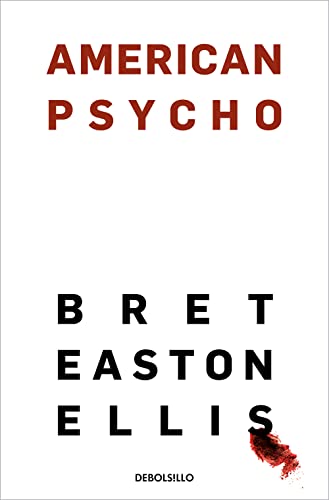
No. 90 on this list. American Psycho
Bret Easton Ellis · 1991
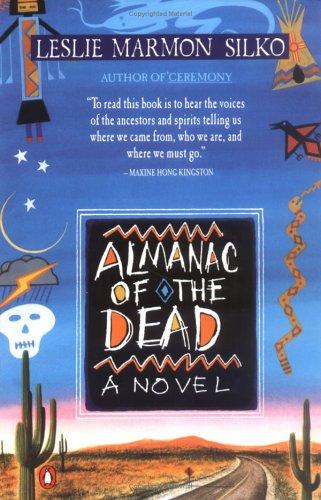
No. 91 on this list. Almanac of the Dead
Leslie Marmon Silko · 1991
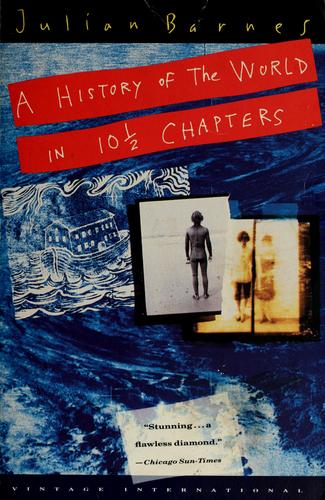
No. 92 on this list. A History of the World in 10½ Chapters
Julian Barnes · 1989
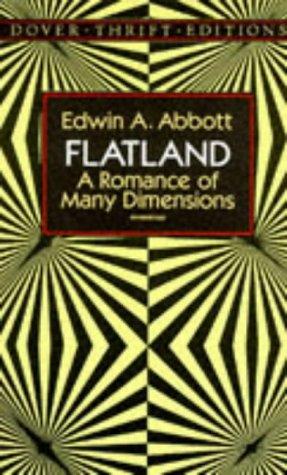
No. 93 on this list. Flatland
Edwin A. Abbott · 1884
No. 94 on this list. House of Leaves
Mark Z. Danielewski · 2000
No. 95 on this list. Speedboat
Renata Adler · 1976
No. 96 on this list. Sometimes a Great Notion
Ken Kesey · 1964
No. 97 on this list. Funeral Rites
Jean Genet · 1947
No. 98 on this list. Americana
Don DeLillo · 1971
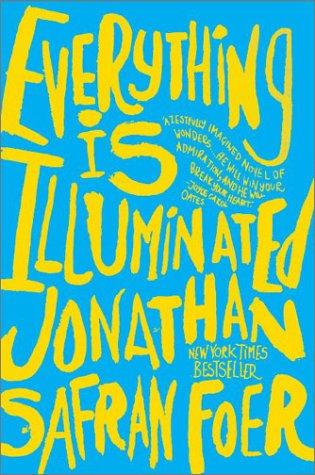
No. 99 on this list. Everything Is Illuminated
Jonathan Safran Foer · 2002
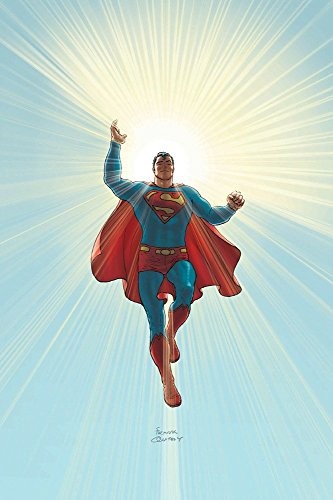
No. 100 on this list. All-Star Superman
Grant Morrison · 2011
About this list
These 100 books are the highest-scoring eligible modernist and experimental novels currently in the catalogue. About 1,231 hours of reading in all, for the 97 with measured lengths. Difficulty runs from 61 to 75 out of 100 for the middle half of the list; the summit is The Waste Land at 91.
This list is ranked by literary regard, with a consistent order for equal scores. Membership follows authors and co-authors, not translators or editors. A book is here when ReadingRate files it under Modernist & Experimental Fiction as one of its primary reading domains. Catalogue coverage and the historical canon both limit what this list can represent.
When we matched the Canons dataset to our catalogue in October 2026, our canonical-status scores rose with the number of school curricula, publisher series and lists in it that cite a work: the median score was 72 for books one such source cites, 84 at two, 88 at three, 92 at four and 93 at five or more. Prizes are left out of that count. Outside the state curricula, the dataset’s sources choose mostly from what has been translated into English or French, so it is a weaker check on other literatures. Source: Canons (Andrew Piper), CC BY 4.0
Questions people actually ask
- What are the best modernist and experimental novels?
- By literary regard, which weighs canonical status, critical standing and influence: ULYSSES (The Original 1922 Edition): Enriched edition. A Modernist Dublin Day of Stream-of-Consciousness, Identity, and Odyssey Echoes by James Joyce, The Waste Land by T. S. Eliot, Moby-Dick by Herman Melville, Waiting for Godot by Samuel Beckett and Metamorphosis and Other Stories by Franz Kafka. ReadingRate ranks 100 such books, each with a difficulty score and a reading-time estimate.
- Which modernist and experimental novels should I read first?
- Start from difficulty, not from rank. The most approachable books on this list that still carry top literary regard are The Wind-Up Bird Chronicle by Haruki Murakami (about 14 hours), The Lord of the Rings (The Lord of the Rings, #1-3) by J.R.R. Tolkien and The Decameron by Giovanni Boccaccio.
- What are the shortest of the best modernist and experimental novels?
- Among the top 25, the shortest are The Waste Land by T. S. Eliot (about 34 min), In the Penal Colony by Franz Kafka (about 42 min) and A Season in Hell by Arthur Rimbaud (about 1.1 hours), at an average pace of 250 words a minute adjusted for each book's difficulty.
- Which of the best modernist and experimental novels are the established classics?
- By canonical status, how firmly a book sits in curricula, anthologies and the canon: Moby-Dick by Herman Melville, ULYSSES (The Original 1922 Edition): Enriched edition. A Modernist Dublin Day of Stream-of-Consciousness, Identity, and Odyssey Echoes by James Joyce, The Waste Land by T. S. Eliot, Moby-Dick or, The Whale by Herman Melville and Heart of Darkness by Joseph Conrad.
- Can I read any of these modernist and experimental novels for free?
- 12 of the 100 open in ReadingRate's reader with a free account, from public-domain editions: The Waste Land, Moby-Dick, Dubliners, Heart of Darkness, The Decameron and 7 more.
- How long would it take to read the top ten?
- About 121 hours, at an average pace of 250 words a minute adjusted for each book's difficulty: 61 days at two hours a day. Set your own pace on the page and the list's reading times change to it.
- How hard are modernist and experimental novels to read?
- Most of this list sits between 61 and 75 on ReadingRate's 100-point difficulty scale, where 40 to 55 is moderate. The summit is The Waste Land at 91. Every entry carries its own score, so a reader can pick a great book at a difficulty they will finish.
- How is this list ranked?
- On literary-regard data: how canonically established a work is, its critical standing, and its influence on later writing. It is not a readers’ poll, which is why recent bestsellers rarely appear. Membership follows authors and co-authors, not translators or editors. Lists by country, author, period, theme or difficulty keep to literature: fiction, poetry and drama, with no philosophy, criticism or theory. A list of a kind of book, such as philosophy, memoir or criticism, keeps every book of that kind. Every list holds at most three works by one author. A book is here when ReadingRate files it under Modernist & Experimental Fiction as one of its primary reading domains.