Hours at an average pace
Showing 100 books
About 848 hours for 97 of 100 books with measured lengths. Estimates use 250 words a minute, adjusted for each book's difficulty. At 2 hours a day, about 425 days for those books.
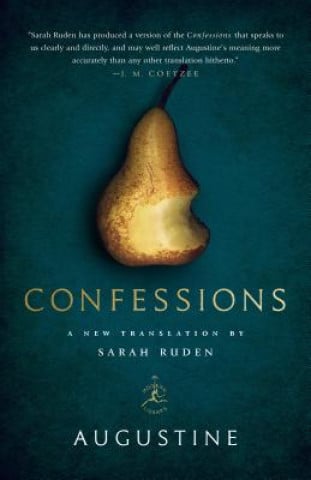
Augustine's Confessions is a core text of Western literature, philosophy and theology, set in great-books and religious studies courses around the world. It is widely regarded as the first autobiography in the Western tradition.
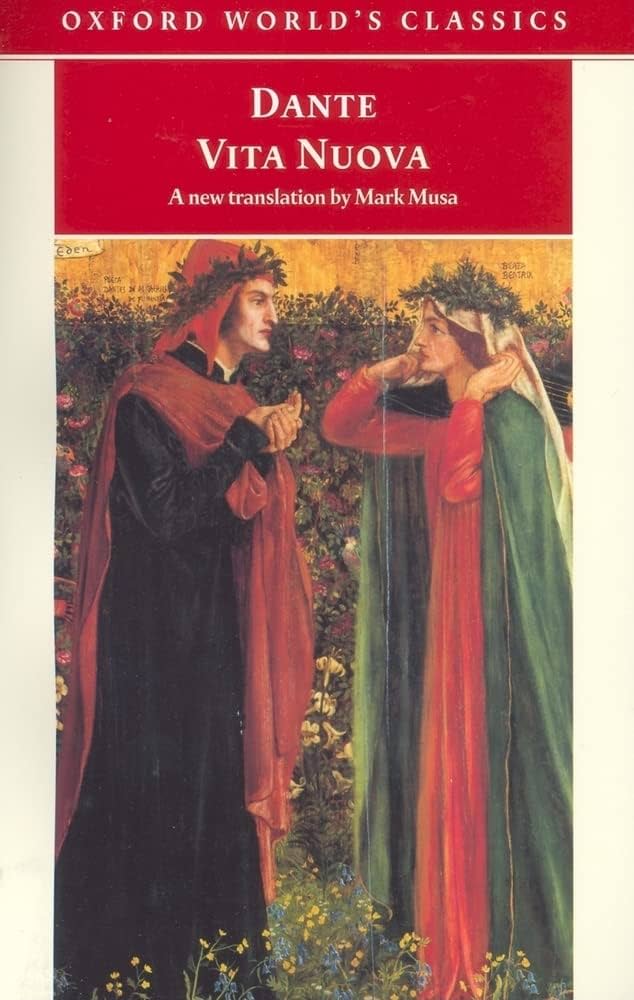
Vita Nuova is taught in virtually every medieval Italian literature program worldwide and appears in most comparative literature and Romance philology curricula. It is the foundational text of the dolce stil novo movement and the biographical prologue to the Divine Comedy, one of the most studied works in Western literary history. Wikipedia entries exist in more than 80 languages, and the work has been continuously in print and commentary since Boccaccio's 14th-century biography of Dante.
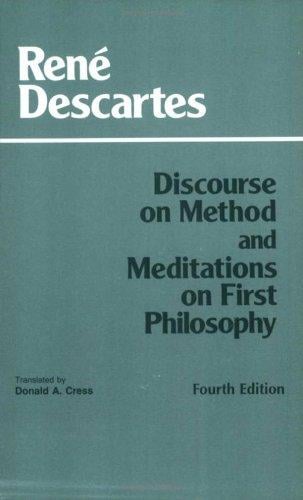
The Discourse on the Method appears in Wikipedia articles across 34 languages and is required reading in virtually every Western philosophy curriculum, from introductory courses to advanced epistemology seminars. It is one of a small number of pre-modern texts that remain compulsory across disciplines — philosophy, intellectual history, history of science, cognitive science. The work appears on all major lists of foundational Western thought.
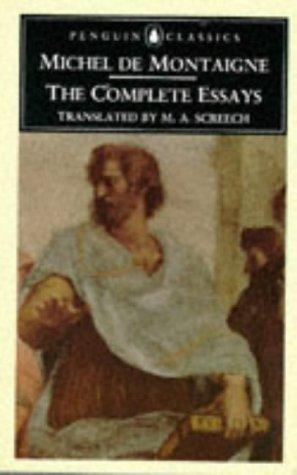
Montaigne is a pillar of Renaissance and world literature courses, cited in philosophy, French literature and the history of the essay. Taught widely, though less often as a full text than the great novels.
Walden is a fixture of American literature courses and a foundational text of nature writing and American transcendentalism. It is taught at high school and university level worldwide, with a place beside Emerson and Whitman.
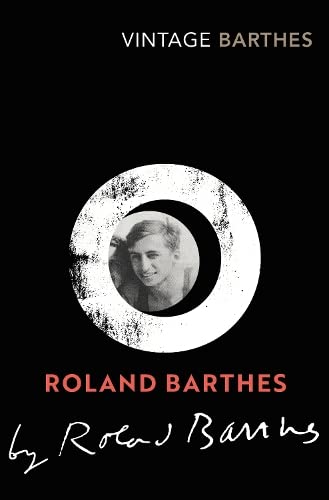
Considered one of the landmark texts of poststructuralism and a foundational work in autobiography theory. Barthes by Barthes is universally included in advanced literary theory curricula and sits alongside S/Z and Camera Lucida as his most studied works.
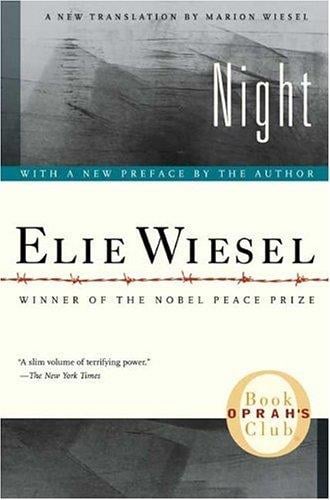
Required reading in most American and European secondary schools and universities, taught in Holocaust studies, World Literature, and human rights courses worldwide. One of the most assigned memoirs of the 20th century, with Wikipedia coverage in over 80 languages. No major literary prize database entry was found, but its curriculum presence is among the highest of any memoir in the Western canon.
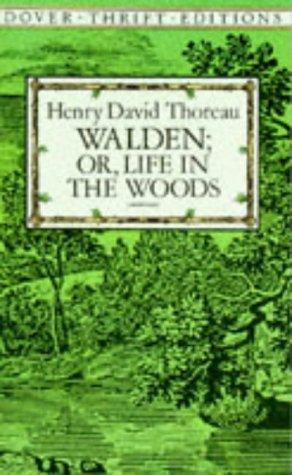
No. 8 on this list. Walden; Or, Life in the Woods Publisher: Dover Publications; Unabridged edition
Moderate6.7 hours
Walden is a cornerstone of American literature courses and of environmental and Transcendentalist studies, assigned in high school and university alike. It sits just below the most universal fixtures such as The Great Gatsby.
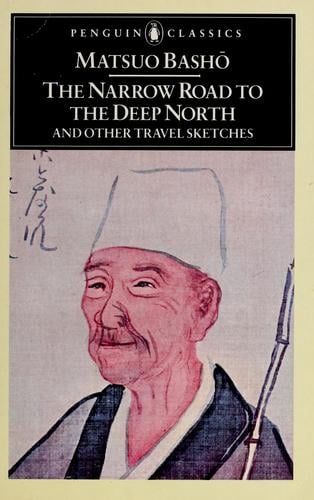
No. 9 on this list. The Narrow Road to the Deep North and Other Travel Sketches
Matsuo Bashō · 1702
Moderate1.6 hours
It is one of the central works of Japanese literature and appears in Penguin Classics. It is taught widely in world literature and Asian studies courses.
It is widely taught in American history and literature courses, is named among Time's most important nonfiction books of the century, and is an essential text in African American studies.
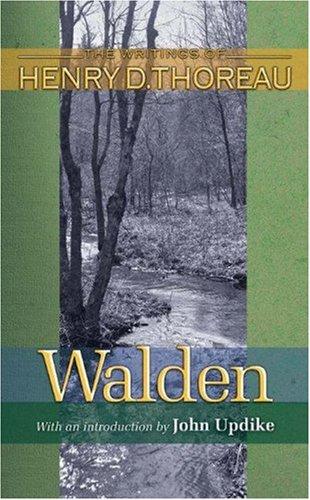
No. 11 on this list. Walden · Henry David Thoreau · 1854
Thoreau moved to a cabin on a pond for two years and wrote a book that made solitude, bean-counting, and the observation of thawing mud into acts of radical philosophy. Walden supplied the intellectual template for civil disobedience, environmentalism, and voluntary simplicity — three movements that still run on its sentences.
Moderate7.8 hours
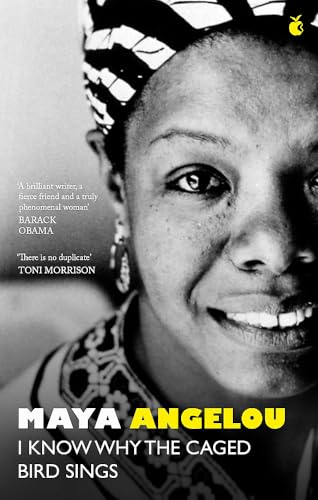
Read nowNo. 12 on this list. I Know Why the Caged Bird Sings · Maya Angelou · 1969
Taught in schools: CSEC English B – Caribbean Examinations Council, Pacific Senior Secondary Certificate – English, WBCHSE English and Alternative English syllabuses (India)
Taught in virtually every American high school and across university courses in African American literature, women's studies, and autobiography. One of the American Library Association's most frequently challenged books — a perverse testament to its ubiquity — and named among the most important American autobiographies of the 20th century on lists from the Modern Library and TIME.
Challenging8.1 hours
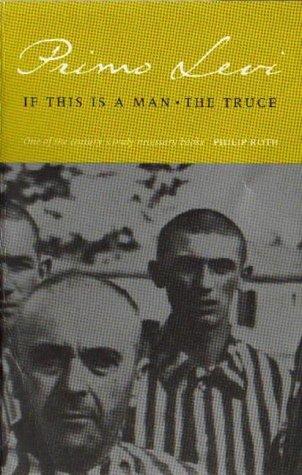
Start this bookNo. 13 on this list. If This Is A Man/The Truce · Primo Levi · 2014
If This Is a Man is a core Holocaust text, taught widely in literature, history and ethics courses, and often called among the essential books of the twentieth century. The Truce is read alongside it.
Easy8.1 hours
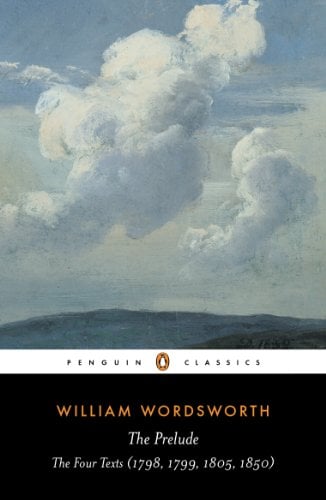
Start this bookNo. 14 on this list. The Prelude · William Wordsworth · 1850
A fixture of every survey of English Romanticism and nearly every anthology of British poetry, though as a single long poem it draws less raw syllabus volume than assigned novels—closer to Beloved's discipline-specific canonicity than a mass-market fixture like Gatsby.
Challenging4.6 hours
Start this bookNo. 15 on this list. W, or the Memory of Childhood · Georges Perec · 1975
A firm fixture in the OuLiPo canon and in broader European literary canons. Regularly taught in comparative literature, Holocaust literature, and postmodern fiction courses internationally. Less widely read than some contemporaries but deeply influential among serious readers and writers.
Difficult6.5 hours
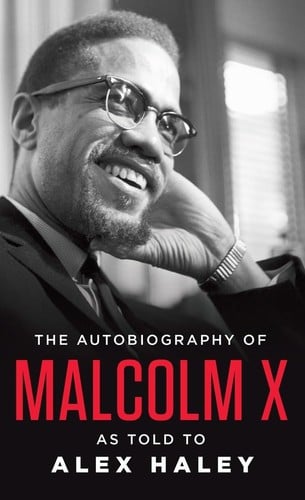
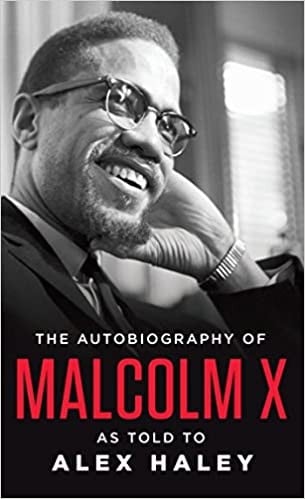
Start this bookNo. 16 on this list. The Autobiography of Malcolm X: As Told to Alex Haley · Malcolm X · 1991
It is widely assigned in American history, African American studies and literature courses, and it appears on many lists of essential twentieth-century nonfiction. Time magazine named it among the most important nonfiction books of the century.
Easy10 hours
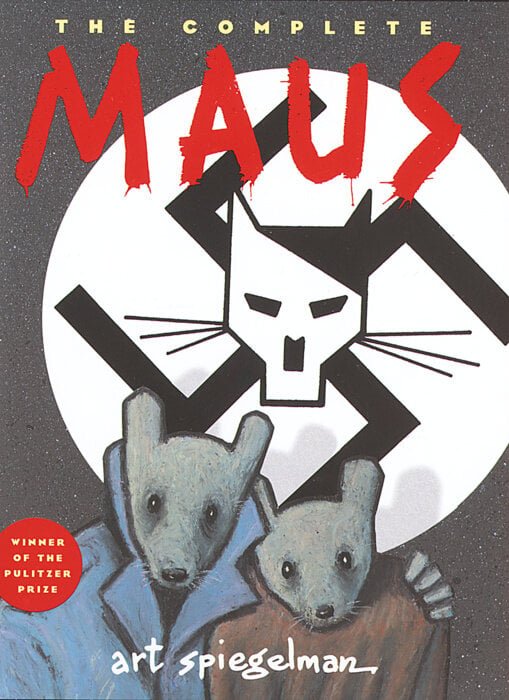
Start this bookNo. 17 on this list. The Complete Maus · Art Spiegelman · 2003
Widely taught in universities and high schools as the defining Holocaust graphic memoir, Maus appears on hundreds of literature and history syllabi worldwide. It is listed on virtually every major 'essential reading' and 'greatest books' compilation that includes graphic literature, from the Modern Library to Time's All-TIME 100 Novels. While not on syllabi at the scale of Fitzgerald or Austen, it holds unique canonical status as the book that forced academia to take comics seriously.
Challenging2.8 hours
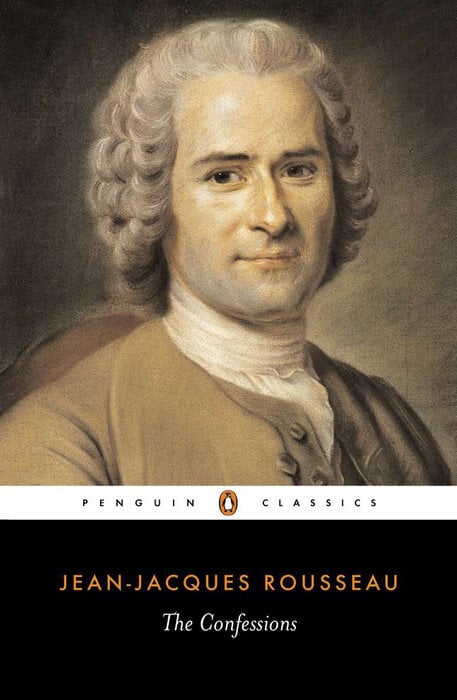
Start this bookNo. 18 on this list. Confessions · Jean-Jacques Rousseau · 1782
Rousseau opens with a declaration that has never been made before or since: he will show himself to the world in full, hiding nothing, and dares anyone to say they were better. What follows is 500 pages of his life from Geneva childhood to middle age in France — apprenticeships, theft, wandering, patrons, lovers, music, literary fame, and the slow accumulation of paranoia he couldn't stop. The incidents are specific and strange. He steals a ribbon from a household and, when caught, accuses a servant girl named Marion of the theft. She is dismissed. He carries the guilt for decades. He sends all five of his children to a foundling home. He explains at length why this was reasonable. The gap between his self-justification and the reader's judgment is where the book lives. This is autobiography as philosophical project. Rousseau believes humans are born good and corrupted by society; his life is the evidence. Every anecdote serves the argument, every embarrassment becomes a data point for his theory of natural goodness. The text invented the modern genre of confessional writing and taught Goethe, Wordsworth, and every memoirist after that private life was worth recording in full. Reading it means holding two things at once: sympathy for a man examining himself honestly, and skepticism about whether he sees himself at all.
Challenging37 hours
Read nowNo. 19 on this list. The House of the Dead · Fyodor Dostoevsky · 1862
Fyodor Dostoevsky spent four years in a Siberian prison camp after the tsar commuted his death sentence at the last moment. He came out a different writer. The House of the Dead channels that experience through Alexander Petrovich Goryanchikov, a nobleman convicted of murdering his wife, who records the daily life of the katorga — the forced labor camp — with the precision of a naturalist and the unease of someone who cannot stop looking. The other prisoners steal, scheme, perform folk plays, and occasionally show flashes of unexpected grace. Goryanchikov watches all of it without rendering verdicts. The book does not explain what prison does to men; it shows men inside prison, and lets the accumulated detail do the work. Dostoevsky writes with a clinical restraint unusual for him — no murder plots, no philosophical speeches, no epileptic crises. What remains is a documentary of degradation that refuses to moralize, which is exactly what makes the moral weight so heavy. Readers expecting Dostoevsky's trademark feverish psychology will find something quieter here: a sustained act of witness.
Moderate8.1 hours
Read nowNo. 20 on this list. The Story of My Experiments with Truth · Mahatma Gandhi · 1929
One of the most assigned autobiographies in the world, standard in political theory, religious studies, and modern Indian history courses.
Moderate12 hours
Start this book
No. 21 on this list. The Death of the Moth and Other Essays · Virginia Woolf · 1942
The title essay 'The Death of the Moth' is one of the most anthologized pieces in the English language, appearing in virtually every major collection of literary essays and countless university writing courses. Though the collection as a whole is less individually indexed than Woolf's novels, these essays — alongside 'Street Haunting' and 'Middlebrow' — are fixtures of modernist prose and creative nonfiction curricula worldwide.
Moderate4.6 hours
Start this bookNo. 22 on this list. Biographia Literaria · Samuel Taylor Coleridge · 1817
Samuel Taylor Coleridge published Biographia Literaria in 1817 to settle a score with critics, explain his intellectual development, and deliver a theory of the Imagination that would ground all of English poetry on philosophical foundations. He does two of these things. The third — the promised deduction of the Primary and Secondary Imagination from Kantian and Schellingian idealism — arrives in Chapter 13 as a single dense paragraph, preceded by a letter from a friend advising Coleridge not to publish the full argument lest it overwhelm his readers. The letter is fictional. The argument was never written. What Coleridge gives instead is something stranger: a self-portrait that uses autobiography as scaffolding for philosophy, and philosophy as scaffolding for the most exacting account of Wordsworth's genius and failures produced by anyone in the 19th century. The chapters on Lyrical Ballads identify with precision which poems succeed, which fail, and why — the analysis of 'The Thorn' and 'Guilt and Sorrow' is still the most incisive criticism of early Wordsworth written. The philosophical chapters require patience with Kant, Schelling, and Hartley; the autobiographical chapters reward it with the closest thing we have to Coleridge's intellectual self-accounting. The book is the record of a mind moving at full stretch, making promises it cannot keep and keeping ones it never made.
Difficult14 hours
Start this bookNo. 23 on this list. Life Studies · Robert Lowell · 1959
Life Studies is a core text in postwar American poetry courses and the standard starting point for confessional poetry. Its Wikipedia article exists in 2 languages, a modest count for its status, but it is anthologized and taught widely.
Moderate1.6 hours
Start this bookNo. 24 on this list. The Bell Jar · Sylvia Plath · 1963
The Bell Jar is required reading in virtually every American women's literature and confessional writing course, and appears widely in high school curricula addressing mental health and mid-century American life. It holds a secure place on Modern Library and similar essential reading lists, and remains one of the most assigned novels in discussions of feminist literary history.
Challenging6.4 hours
Start this bookNo. 25 on this list. The Drowned and the Saved · Primo Levi · 1986
Taught widely in Holocaust studies, memory studies, ethics, and comparative literature courses at universities across Europe, North America, and Israel. Levi's concept of 'the gray zone' has become standard vocabulary in moral philosophy curricula. While the database returned no syllabus count, the book's standing as essential reading in its field is well established across decades of academic discourse.
Moderate3.6 hours
Start this bookNo. 26 on this list. The Woman Warrior: Memoirs of a Girlhood Among Ghosts · Maxine Hong Kingston · 1976
The Woman Warrior is one of the most-taught memoirs in American university curricula, appearing on syllabi for American literature, Asian-American studies, women's studies, creative nonfiction, and multicultural education courses. It has been continuously in print since 1976 and appears on virtually every list of essential Asian-American literature. The Open Syllabus Project ranks it among the most frequently assigned texts in the humanities.
Moderate4.6 hours
Start this bookNo. 27 on this list. The Autobiography of Benjamin Franklin · Benjamin Franklin · 1791
The Autobiography is among the most assigned texts in American literature and history courses at both high school and university level, serving as the foundational document of the American self-made-man tradition. No awards data is available in the database, but the work appears on virtually every syllabus of early American literature and is regularly included in surveys of American nonfiction. It is universally treated as essential reading for understanding American culture and civic ideology.
Moderate4.1 hours
Read nowNo. 28 on this list. Happening · Annie Ernaux · 2000
Happening has become one of Ernaux's most discussed and translated works, widely taught in French literature courses at university level and increasingly prominent in Anglophone curricula following her 2022 Nobel Prize. Its frank treatment of illegal abortion in 1960s France grants it significant cultural-historical standing alongside landmark autofictional texts.
Challenging1.8 hours
Start this bookNo. 29 on this list. Life of Johnson · James Boswell
It is the foundational English biography, taught in eighteenth-century and biography courses and a fixture of Oxford World's Classics. It is less universal than the great novels.
Moderate
Start this bookNo. 30 on this list. The Periodic Table · Primo Levi · 1975
Named the best science book ever written by the Royal Institution; a recognized literary masterwork.
Challenging6.1 hours
Start this book
No. 31 on this list. The Golden Notebook
Doris Lessing · 1962
Included in: Bokklubben World Library
No. 32 on this list. Letters from a Stoic
Seneca · 65
No. 33 on this list. Black Boy
Richard Wright · 1945
No. 34 on this list. The Armies of the Night
Norman Mailer · 1968
No. 35 on this list. Waiting for God
Simone Weil · 1950
No. 36 on this list. Childhood
Leo Tolstoy · 1852
No. 37 on this list. Tristes Tropiques
Claude Lévi-Strauss · 1955
No. 38 on this list. Homage to Catalonia
George Orwell · 1938
No. 39 on this list. Out of Africa
Isak Dinesen · 1937
No. 40 on this list. The Pillow Book
Sei Shonagon · 1002
Included in: UNESCO Collection of Representative Works
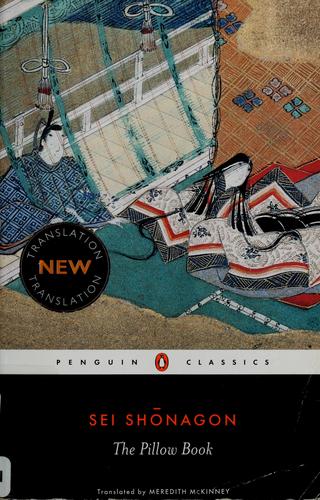
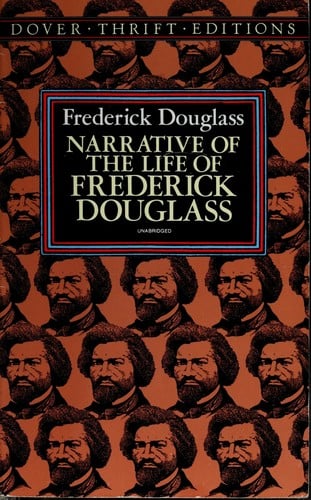
No. 41 on this list. Narrative of the Life of Frederick Douglass
Frederick Douglass · 1845
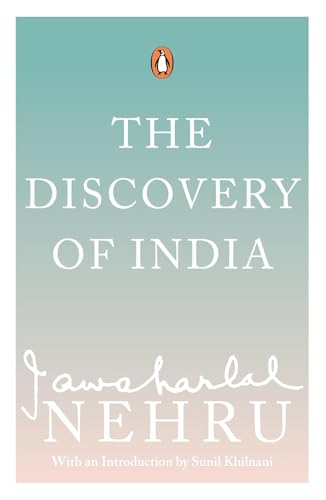
No. 42 on this list. The Discovery of India
Jawaharlal Nehru · 1946
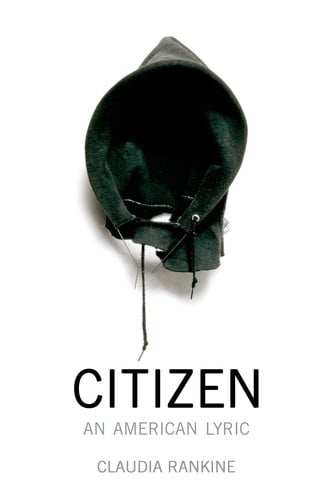
No. 43 on this list. Citizen: An American Lyric
Claudia Rankine · 2014
No. 44 on this list. Speak, Memory
Vladimir Nabokov · 1951
No. 45 on this list. The Diary of a Young Girl
Anne Frank · 1947
No. 46 on this list. The Notebooks of Malte Laurids Brigge
Rainer Maria Rilke · 1910
No. 47 on this list. Between the World and Me
Ta-Nehisi Coates · 2015
No. 48 on this list. The Education of Henry Adams
No. 49 on this list. A Man's Place
Annie Ernaux · 1983
No. 50 on this list. The Doors of Perception
Aldous Huxley · 1954
No. 51 on this list. Fun Home
Alison Bechdel · 2006
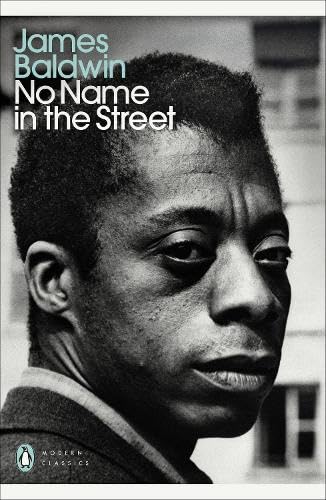
No. 52 on this list. No Name in the Street
James Baldwin · 1972
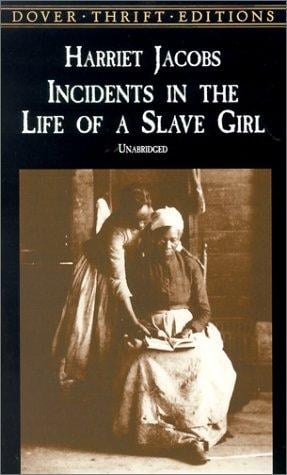
No. 53 on this list. Incidents in the Life of a Slave Girl
Harriet Ann Jacobs · 1861
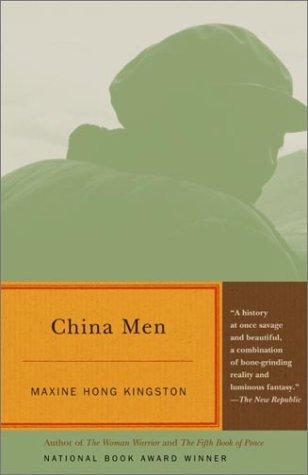
No. 54 on this list. China Men
Maxine Hong Kingston · 1980
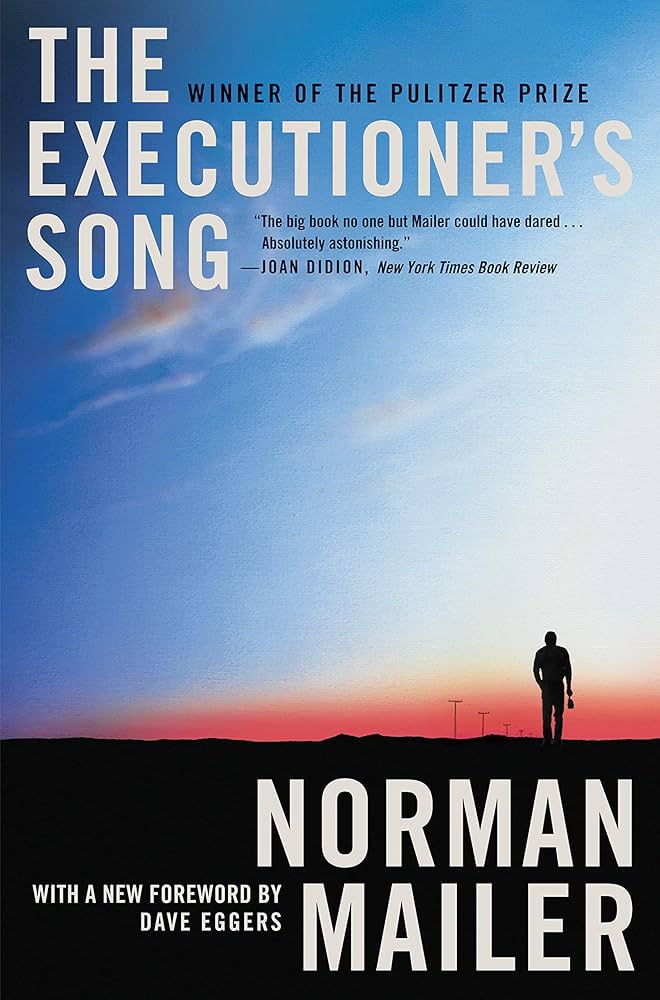
No. 55 on this list. The Executioner's Song
Norman Mailer · 1980
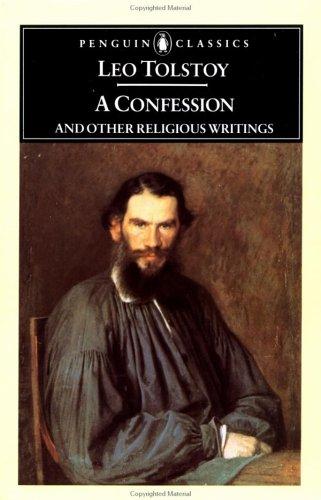
No. 56 on this list. A Confession
Leo Tolstoy · 1882
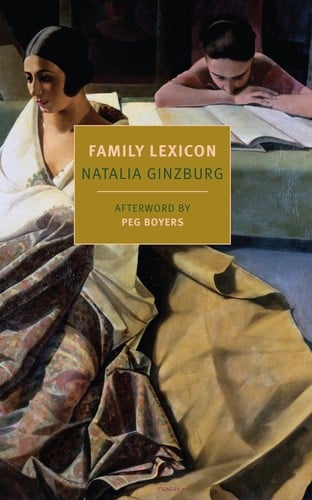
No. 57 on this list. Family Lexicon
Natalia Ginzburg · 1963
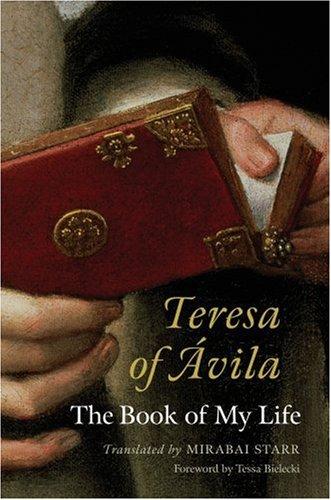
No. 58 on this list. The Book of Her Life
Teresa of Ávila · 1588
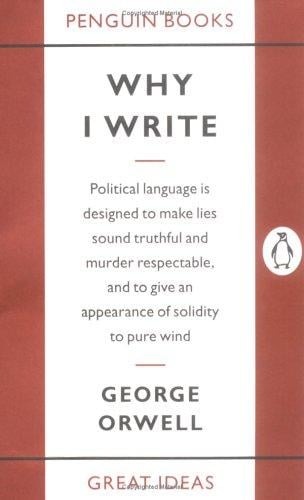
No. 59 on this list. Why I Write
George Orwell · 1946
No. 60 on this list. My Past and Thoughts
Alexander Herzen · 1868
No. 61 on this list. The Autobiography of Benvenuto Cellini
No. 62 on this list. Youth
Leo Tolstoy · 1857
No. 63 on this list. The Years
Annie Ernaux · 2019
No. 64 on this list. Italian Journey
Johann Wolfgang von Goethe · 1816
No. 65 on this list. Tales of Hulan River
Xiao Hong · 1942
No. 66 on this list. Man's Search for Meaning
Viktor E. Frankl · 1946
No. 67 on this list. Persepolis
Marjane Satrapi · 2000
No. 68 on this list. Confessions of an English Opium Eater
Thomas de Quincey · 2003
No. 69 on this list. Twelve Years a Slave
Solomon Northup · 1853
No. 70 on this list. The Year of Magical Thinking
Joan Didion · 2005
No. 71 on this list. The Words
Jean-Paul Sartre · 1964
No. 72 on this list. Diary
Witold Gombrowicz · 1969
No. 73 on this list. Essays of Elia
Charles Lamb · 1823
No. 74 on this list. Storyteller
Leslie Marmon Silko · 1981
No. 75 on this list. Christ Stopped at Eboli
Carlo Levi · 1945
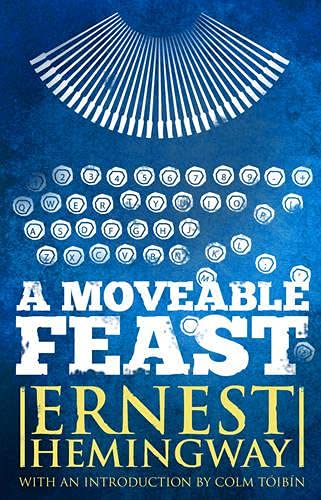
No. 76 on this list. A Moveable Feast
Ernest Hemingway · 1964
No. 77 on this list. The Diary of Samuel Pepys
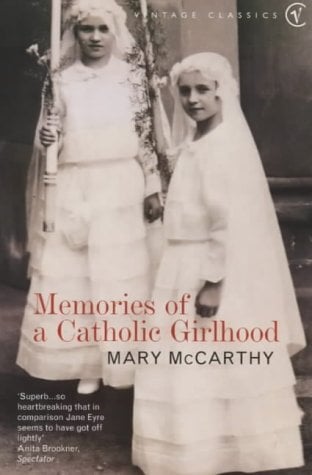
No. 78 on this list. Memories of a Catholic Girlhood
Mary McCarthy · 1957
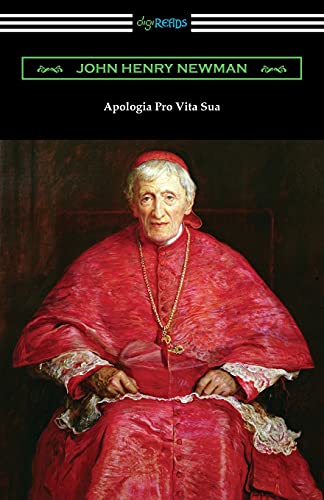
No. 79 on this list. Apologia Pro Vita Sua
John Henry Newman · 1864
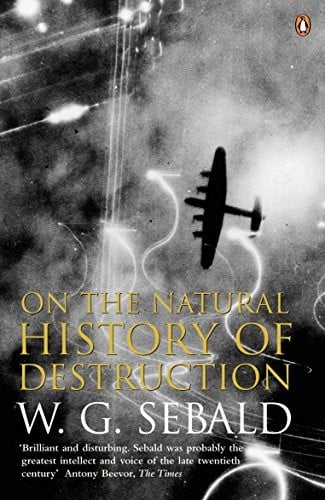
No. 80 on this list. On the Natural History of Destruction
W.G. Sebald · 1999
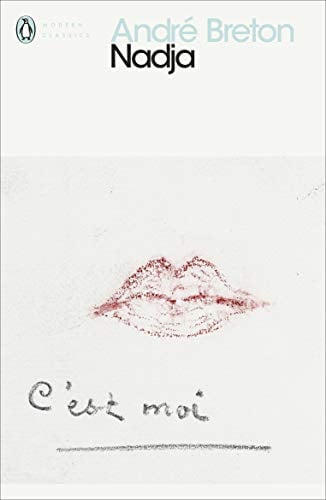
No. 81 on this list. Nadja
André Breton · 1928
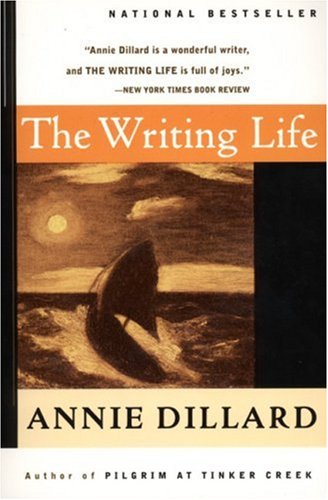
No. 82 on this list. The Writing Life
Annie Dillard · 1989
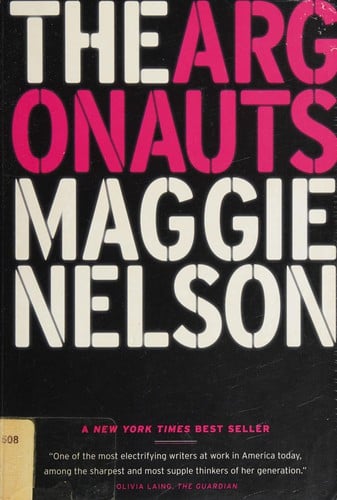
No. 83 on this list. The Argonauts
Maggie Nelson · 2015
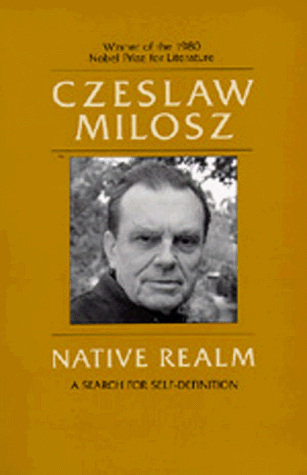
No. 84 on this list. Native Realm
Czesław Miłosz · 1959
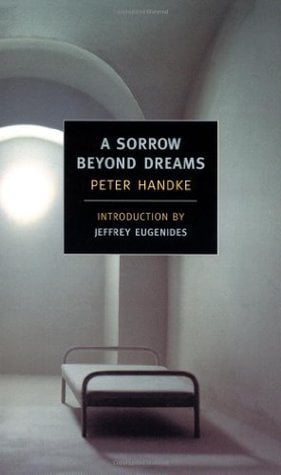
No. 85 on this list. A Sorrow Beyond Dreams
Peter Handke · 1972
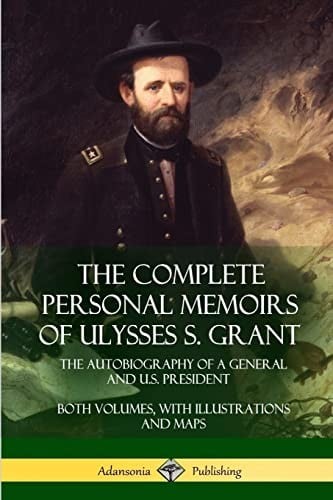
No. 86 on this list. The Complete Personal Memoirs of Ulysses S Grant
Ulysses S. Grant · 2017
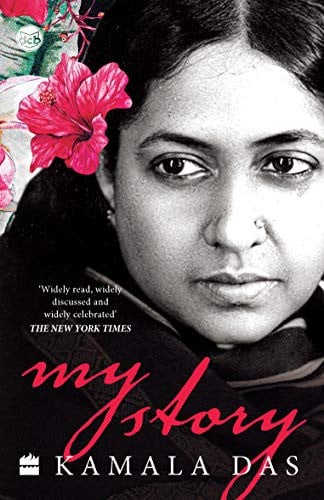
No. 87 on this list. My Story
Kamala Das · 1976
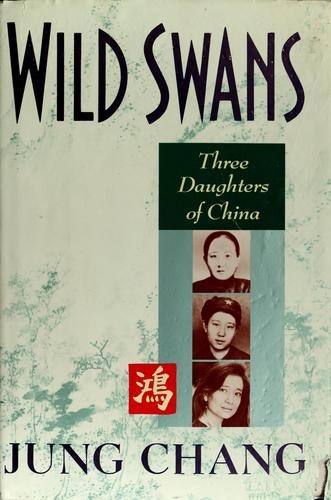
No. 88 on this list. Wild Swans: Three Daughters of China
Jung Chang · 1991
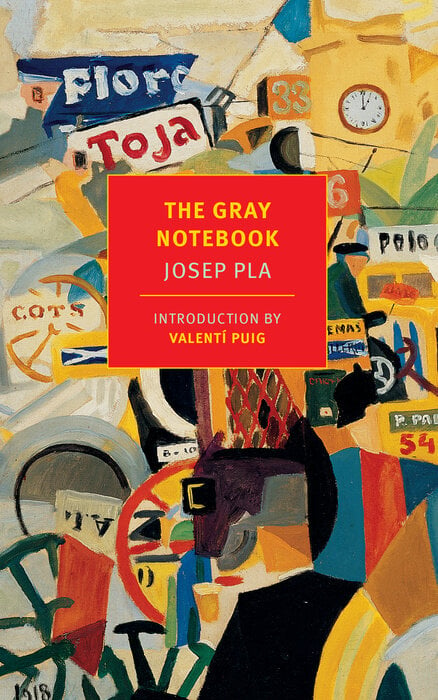
No. 89 on this list. The Gray Notebook
Josep Pla · 1966
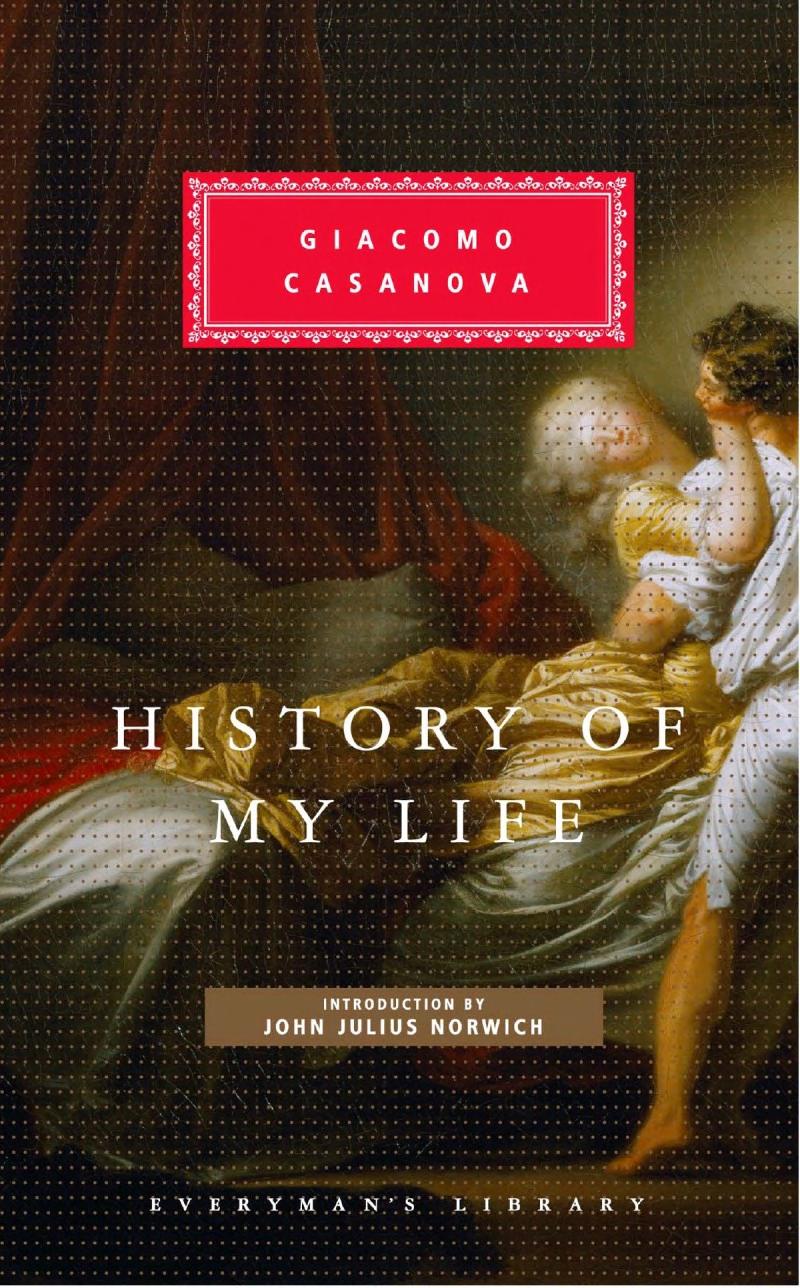
No. 90 on this list. History of My Life
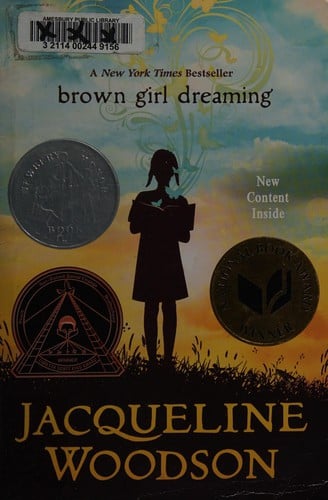
No. 91 on this list. Brown Girl Dreaming
Jacqueline Woodson · 2014
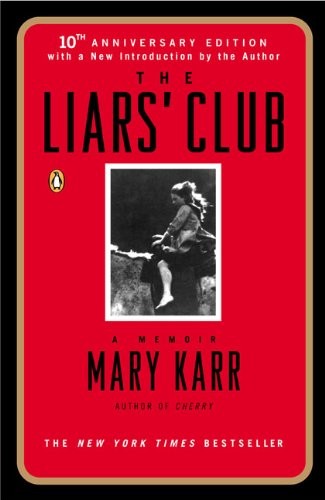
No. 92 on this list. The Liars' Club
Mary Karr · 1995
No. 93 on this list. Poetry and Truth
Johann Wolfgang von Goethe · 1811
No. 94 on this list. The Back Room
Carmen Martín Gaite · 1978
Taught in schools: EBAU Lengua Castellana y Literatura II (Andalucía) (Spain)
No. 95 on this list. A World Apart
Gustaw Herling-Grudziński · 1951
Taught in schools: Lektury obowiązkowe – Polish national reading list (Poland)
No. 96 on this list. Nox
Anne Carson · 2010
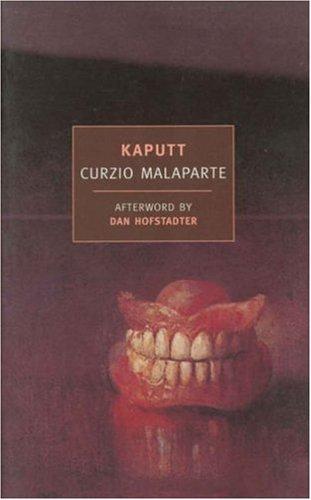
No. 97 on this list. Kaputt
Curzio Malaparte · 1944
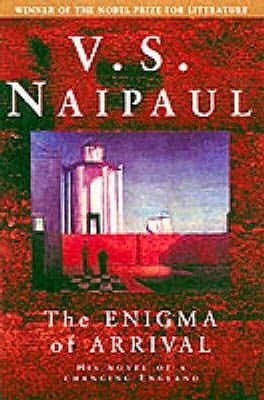
No. 98 on this list. The Enigma of Arrival
V.S. Naipaul · 1987
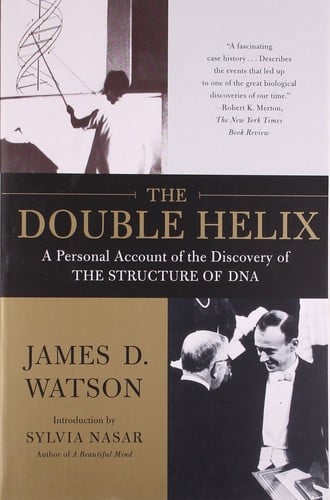
No. 99 on this list. The Double Helix
James D. Watson · 1968
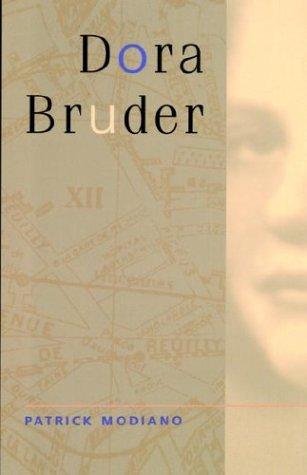
No. 100 on this list. Dora Bruder
Patrick Modiano · 1997
About this list
These 100 books are the highest-scoring eligible memoirs currently in the catalogue. About 848 hours of reading in all, for the 97 with measured lengths. Difficulty runs from 43 to 62 out of 100 for the middle half of the list; the summit is Roland Barthes by Roland Barthes at 86.
This list is ranked by literary regard, with a consistent order for equal scores. Membership follows authors and co-authors, not translators or editors. Catalogue coverage and the historical canon both limit what this list can represent, and genre labels are the catalogue’s own, gathered into broader kinds.
When we matched the Canons dataset to our catalogue in October 2026, our canonical-status scores rose with the number of school curricula, publisher series and lists in it that cite a work: the median score was 72 for books one such source cites, 84 at two, 88 at three, 92 at four and 93 at five or more. Prizes are left out of that count. Outside the state curricula, the dataset’s sources choose mostly from what has been translated into English or French, so it is a weaker check on other literatures. Source: Canons (Andrew Piper), CC BY 4.0
Questions people actually ask
- What are the best memoirs?
- By literary regard, which weighs canonical status, critical standing and influence: Confessions by Augustine of Hippo, Vita Nuova by Dante Alighieri, Discourse on the Method by René Descartes, The Complete Essays by Michel de Montaigne and Walden or, Life in the Woods by Henry David Thoreau. ReadingRate ranks 100 such books, each with a difficulty score and a reading-time estimate.
- Which memoirs should I read first?
- Start from difficulty, not from rank. The most approachable books on this list that still carry top literary regard are Narrative of the Life of Frederick Douglass by Frederick Douglass (about 2 hours), The Diary of a Young Girl by Anne Frank and The Autobiography of Malcolm X by Malcolm X.
- What are the shortest of the best memoirs?
- Among the top 25, the shortest are Roland Barthes by Roland Barthes by Roland Barthes (about 5 min), Life Studies by Robert Lowell (about 1.6 hours) and Discourse on the Method by René Descartes (about 1.5 hours), at an average pace of 250 words a minute adjusted for each book's difficulty.
- Which of the best memoirs are the established classics?
- By canonical status, how firmly a book sits in curricula, anthologies and the canon: Confessions by Augustine of Hippo, Walden by Henry David Thoreau, Night by Elie Wiesel, Vita Nuova by Dante Alighieri and Discourse on the Method by René Descartes.
- Can I read any of these memoirs for free?
- 11 of the 100 open in ReadingRate's reader with a free account, from public-domain editions: Confessions, Vita Nuova, Walden, Confessions, The House of the Dead and 6 more.
- How long would it take to read the top ten?
- About 75 hours, at an average pace of 250 words a minute adjusted for each book's difficulty: 38 days at two hours a day. Set your own pace on the page and the list's reading times change to it.
- How hard are memoirs to read?
- Most of this list sits between 43 and 62 on ReadingRate's 100-point difficulty scale, where 40 to 55 is moderate. The summit is Roland Barthes by Roland Barthes at 86. Every entry carries its own score, so a reader can pick a great book at a difficulty they will finish.
- How is this list ranked?
- On literary-regard data: how canonically established a work is, its critical standing, and its influence on later writing. It is not a readers’ poll, which is why recent bestsellers rarely appear. Membership follows authors and co-authors, not translators or editors. Lists by country, author, period, theme or difficulty keep to literature: fiction, poetry and drama, with no philosophy, criticism or theory. A list of a kind of book, such as philosophy, memoir or criticism, keeps every book of that kind. Every list holds at most three works by one author.