Hours at an average pace
Showing 100 books
About 851 hours for 95 of 100 books with measured lengths. Estimates use 250 words a minute, adjusted for each book's difficulty. At 2 hours a day, about 426 days for those books.
No. 1 on this list. Divine Comedy
Dante Alighieri · 1320
Challenging11 hours
Taught in schools: Armenian secondary literature, Lektury obowiązkowe – Polish national reading list (Poland), UNAM Escuela Nacional Preparatoria – programas de Literatura (Mexico)
Included in: Bokklubben World Library, Great Books of the Western World, UNESCO Collection of Representative Works
Dante built a complete architecture of the afterlife so precise you can map it, then populated it with real people he knew. The result fused theology, politics, and autobiography into a single narrative structure that no poem has matched in ambition or execution.
Homer's epics are the founding texts of Western literature, taught across classics and world literature courses at every level. Their place in curricula is near-universal.
The Divine Comedy is a pillar of Western literature, taught across world literature courses and read in every major language. This 2013 edition of 36,300 words inherits that standing as an adaptation of the original.
No. 4 on this list. Paradise Lost
John Milton · 1667
Challenging8.6 hours
Taught in schools: AQA GCSE and A-level English Literature (UK), WJEC/Eduqas GCSE and A-level English Literature (UK)
Included in: Great Books of the Western World
Milton retold the fall of man in blank verse of such muscular grandeur that Satan became the most charismatic figure in English poetry — not because Milton failed, but because he understood that rebellion requires eloquence. The poem reshaped the English language's sense of what a long sentence could do.
No. 5 on this list. On the Nature of Things
Lucretius · c. 55 BCE
Moderate5.5 hours
Included in: Great Books of the Western World
De Rerum Natura is one of the most significant surviving texts from antiquity, taught in classics, philosophy, and history of science programs at universities worldwide. It represents the fullest extant exposition of Epicurean atomism in any language and appears on virtually every list of essential classical works. Its rediscovery by Poggio Bracciolini in 1417 is credited with catalyzing Renaissance intellectual culture.
Moby-Dick is a cornerstone of American literature courses and is regularly called the Great American Novel. It is taught in high schools, colleges and graduate seminars.
It is the most widely read Hindu scripture, a central text in religion and world literature courses, and widely translated. It is read worldwide as a standalone work.
No. 8 on this list. David Copperfield
Charles Dickens · 1850
Moderate24 hours
Taught in schools: WJEC/Eduqas GCSE and A-level English Literature (UK)
David Copperfield is firmly established in the Western literary canon as one of Dickens's supreme achievements and a defining example of the Victorian Bildungsroman. It remains widely taught, studied, and adapted across cultures.
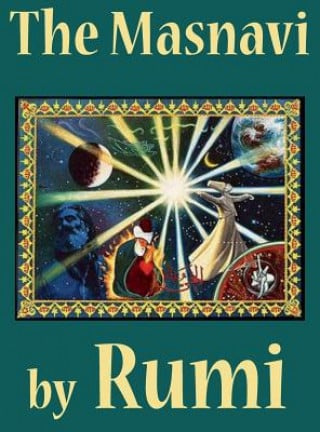
No. 9 on this list. Masnavi
Rumi · 1273
Challenging7.8 hours
Included in: Bokklubben World Library, UNESCO Collection of Representative Works
Rumi poured twenty-five thousand couplets of mystical poetry into a single work that uses merchant tales, animal fables, Quranic commentary, and bawdy jokes to dramatize the soul's journey toward divine love. The Masnavi became the foundational text of Sufi literary tradition and remains the most widely read poem in the Persian-speaking world.
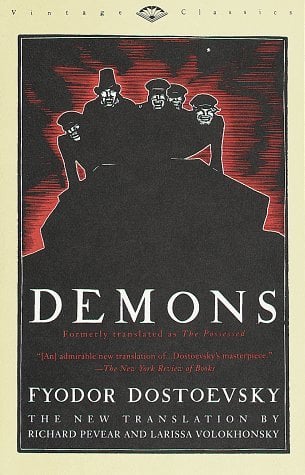
No. 10 on this list. Demons
Fyodor Dostoevsky · 1872
Challenging23 hours
Included in: Bokklubben World Library
A revolutionary cell takes hold of a provincial Russian town, manipulating liberal reformers and committing murder in the name of progress. Based partly on the Nechaev affair—a real case where a revolutionary leader murdered a skeptical member of his group—Dostoevsky creates a portrait of ideological possession that proved prophetic. Nikolai Stavrogin, beautiful and morally empty, inspires devotion he cannot reciprocate. Pyotr Verkhovensky, cunning and nihilistic, orchestrates chaos he believes will bring utopia. Around them swirl liberals, revolutionaries, idealists, and cynics whose ideas have disconnected from reality. The novel is Dostoevsky's darkest political vision: a society where borrowed Western ideas have corrupted Russian souls, where the best lack all conviction and the worst are full of passionate intensity. Also published as The Possessed or The Devils.
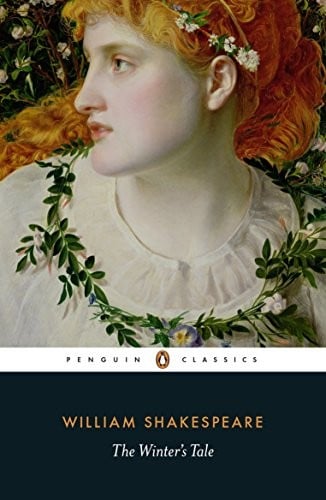
No. 11 on this list. The Winter's Tale · William Shakespeare · 1611
Included in: Great Books of the Western World
A standard text in university Shakespeare courses worldwide, The Winter's Tale is taught as part of the late romances alongside The Tempest and Pericles. While it ranks below the major tragedies in curriculum frequency, it is required reading in virtually all advanced Shakespeare courses and appears regularly in comparative drama syllabi globally.
Challenging1.9 hours
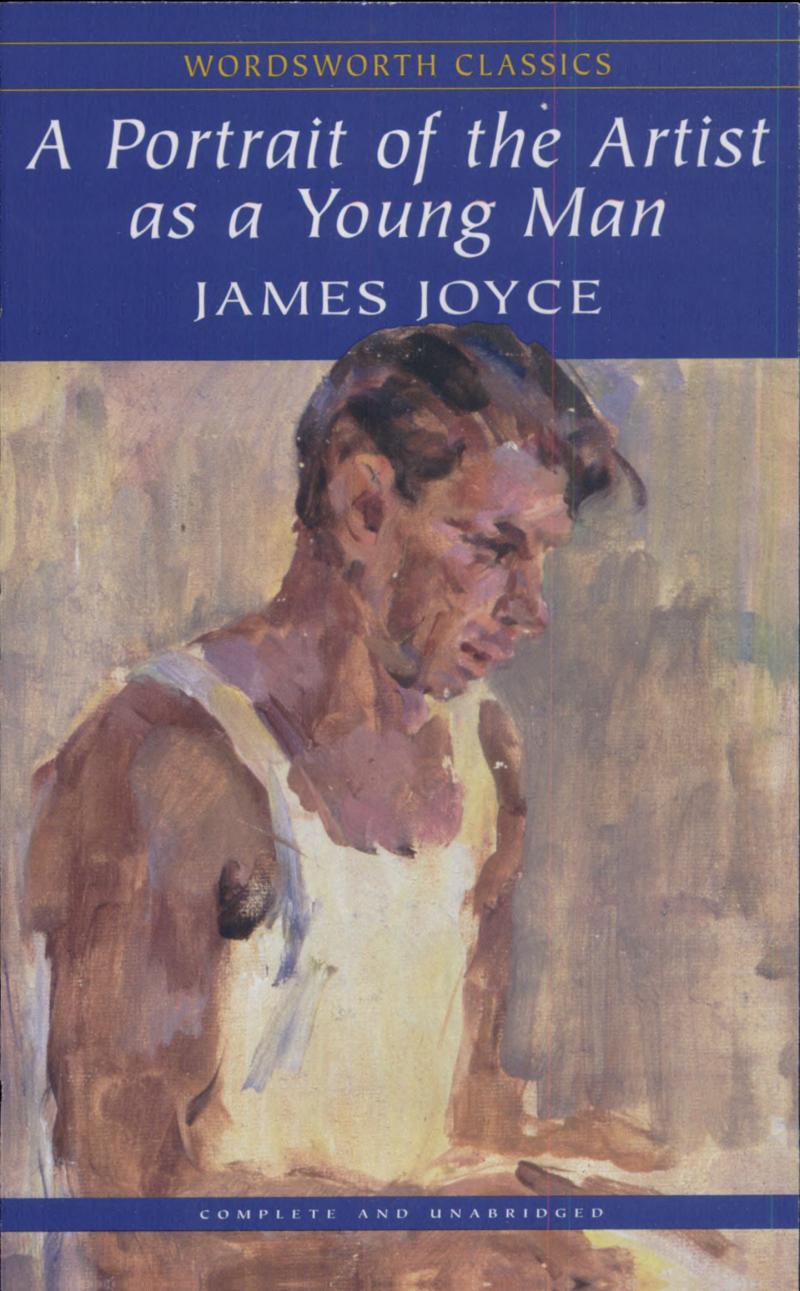
Read nowNo. 12 on this list. A Portrait of the Artist as a Young Man · James Joyce · 1916
Included in: Great Books of the Western World
Appears on 3,243 university syllabi according to the Open Syllabus Project (87.8th percentile), placing it in the company of the most-taught literary novels in English. Featured on the Modern Library 100 Best Novels, 1001 Books You Must Read Before You Die, and available in 40 Wikipedia languages — a global footprint that confirms its standing as a fixture of the Anglo-Irish modernist curriculum.
Difficult11 hours
Read nowNo. 13 on this list. Four Quartets · T. S. Eliot · 1943
Eliot fused the rhythms of Anglican liturgy, the imagery of the English countryside, and the philosophy of time into four linked meditations on what it means to arrive where you started and know the place for the first time. The poems represent the summit of his craft — the point where his erudition finally dissolved entirely into music.
Difficult51 min
Start this bookNo. 14 on this list. Tartuffe · Molière · 1669
Taught in schools: Hungarian literature curriculum (magyar nyelv és irodalom) (Hungary)
Included in: Great Books of the Western World
Tartuffe is required reading in French literature, comparative literature, and theater history courses at virtually every major university. It is among the most-performed French plays internationally and appears on nearly all canonical drama reading lists alongside Racine and Corneille. The play has been in continuous repertoire since 1669 and is central to any study of Western comedy.
Moderate1.3 hours
Start this bookNo. 15 on this list. Mahabharata · Vyasa · c. 400 BCE
At roughly 1.8 million words, the Mahabharata is the longest poem ever composed, and it earns its length: a dynastic war becomes the scaffold for a complete philosophy of duty, cosmic law, and the impossibility of righteous action in a fallen world. The Bhagavad Gita is embedded within it as a single episode, which gives some measure of its ambition.
Challenging61 hours
Read nowNo. 16 on this list. The Idiot · Fyodor Dostoevsky · 1869
Taught in schools: Russian FGOS literature standard
Included in: Bokklubben World Library
Prince Myshkin steps off a train into St. Petersburg after four years in a Swiss sanatorium, cured of his epilepsy but carrying no money, no connections, and a disposition so transparently good that everyone around him assumes he is simple. He is not simple. He sees directly into people — their vanity, their suffering, their better selves — and says so without calculation, which the society he enters reads as idiocy. Within days he is entangled with two women: Nastasya Filippovna, a celebrated beauty who has been kept and ruined by a wealthy patron and who tears through every room she enters, and Aglaya Epanchina, young and proud and surrounded by suitors. Both fall in love with him. He loves both. He cannot save either. Dostoevsky set out to portray a 'positively beautiful man' and then placed him in conditions designed to break such a man apart. The question the novel drives toward — whether goodness has any purchase on the world, whether beauty can save or only destroy — is never answered. What accumulates instead is a portrait of Russian society in the 1860s: the new money, the decayed gentry, the radical youths, the drawing rooms where everyone performs and no one is seen. Myshkin alone refuses to perform, which makes him simultaneously the novel's moral center and its most helpless figure. The final scene — two men sitting in darkness beside a dead woman — is among the most harrowing endings in 19th-century fiction.
Challenging17 hours
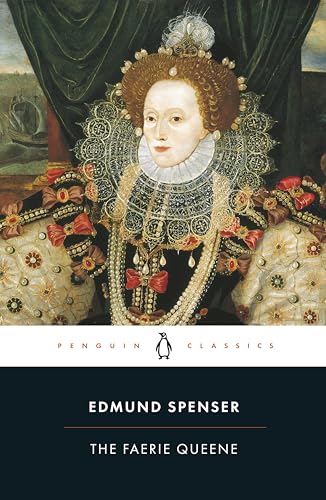
Read nowNo. 17 on this list. The Faerie Queene · Edmund Spenser · 1590
The Faerie Queene appears in virtually every English Renaissance literature syllabus globally and is one of the most taught long poems in university English departments worldwide. It anchors the canon between Chaucer and Milton and is central to every history of the English literary tradition. Absence from the Open Syllabus database reflects data gaps, not actual classroom presence.
Difficult30 hours
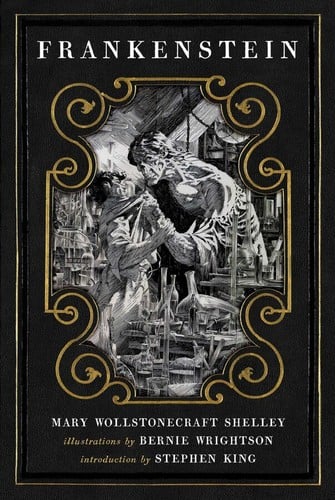
Start this bookNo. 18 on this list. Frankenstein or, The Modern Prometheus · Mary Shelley
Taught on college syllabi since the 1960s and now a fixture of Romantic, Gothic and science fiction courses, with a vast adaptation history. It is a defining Gothic and science fiction text.
Challenging6.3 hours
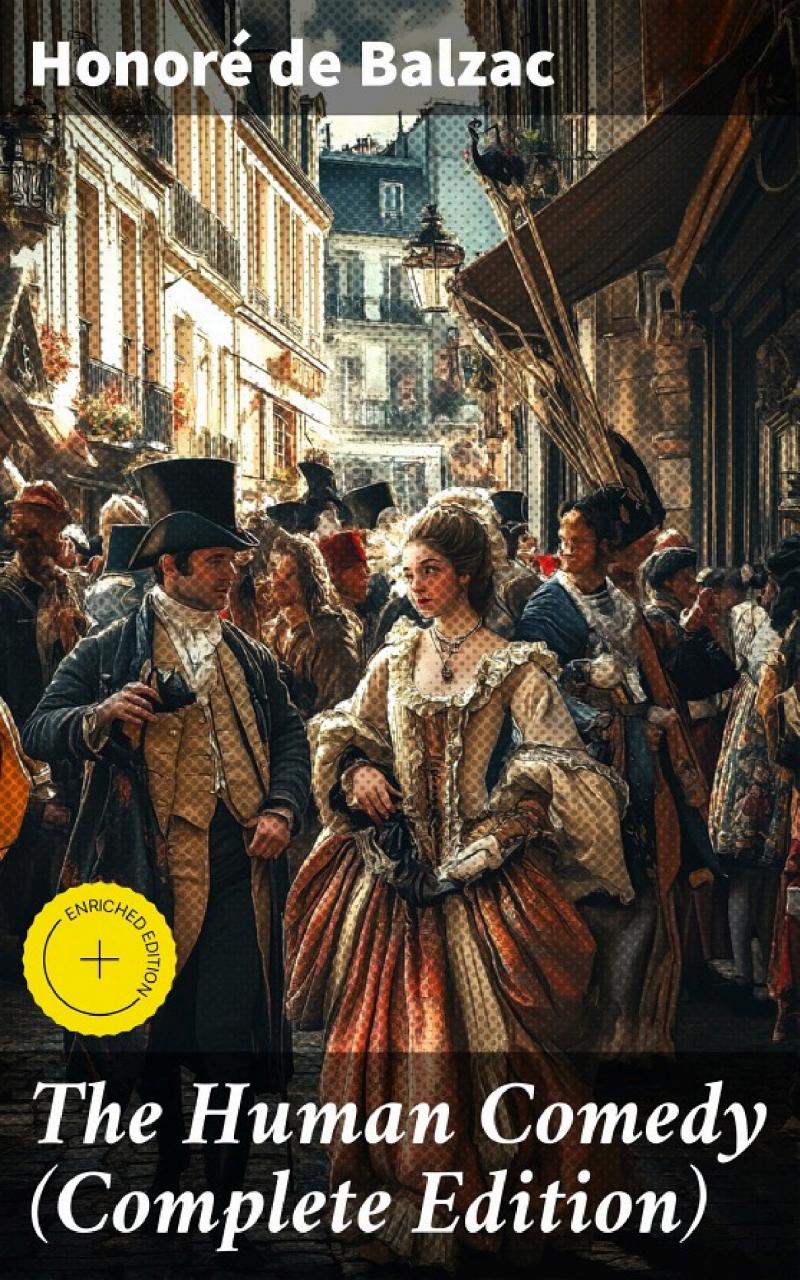
Start this bookNo. 19 on this list. The Human Comedy (Complete Edition) · Honoré de Balzac
Balzac's cycle is a founding work of European realism and a fixture of French literature courses and world literature surveys. Individual novels like Père Goriot and Eugénie Grandet are taught more often than the whole.
Moderate
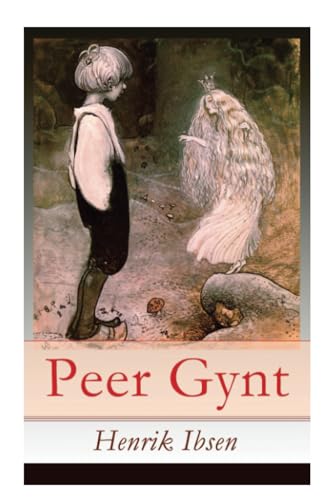
Start this bookNo. 20 on this list. Peer Gynt · Henrik Ibsen · 1867
Peer Gynt is a cornerstone of the Scandinavian theatrical canon and is regularly staged worldwide, from the National Theatre to major European opera houses. Edvard Grieg's 1876 incidental music gave the work cultural reach extending far beyond theatre audiences. It appears on world drama syllabi internationally and is central to any survey of 19th-century European literature.
Challenging4 hours
Start this book
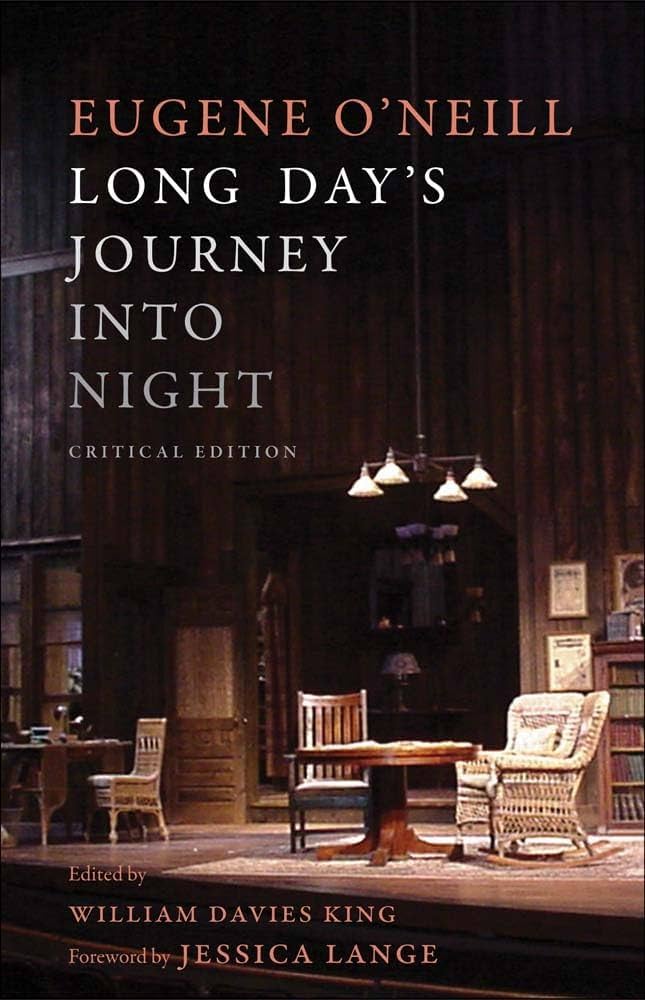
No. 21 on this list. Long Day's Journey into Night · Eugene O'Neill · 1956
O'Neill dramatized his own family — the morphine-addicted mother, the alcoholic father, the doomed brother — with such lacerating honesty that he ordered the play sealed until twenty-five years after his death. The result is the most autobiographically raw masterpiece in American theater, a four-act cycle of blame and forgiveness that never grants its characters the relief of a resolution.
Moderate4.6 hours
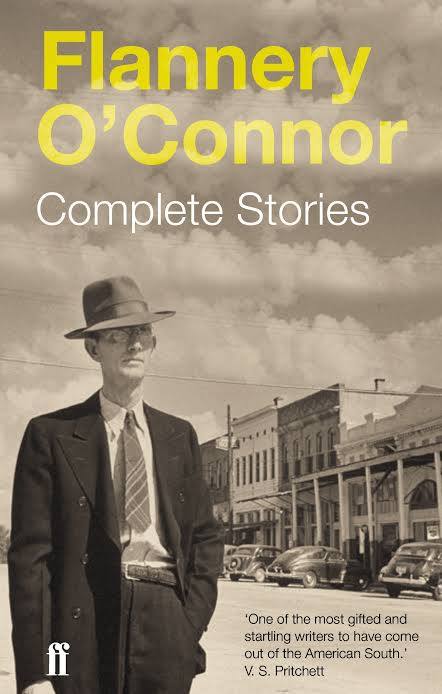
Start this bookNo. 22 on this list. The Complete Stories · Flannery O'Connor · 1972
O'Connor occupies the highest tier of 20th-century American short fiction, regularly anthologized alongside Hemingway, Faulkner, and Chekhov. 'A Good Man Is Hard to Find' appears in virtually every American literature survey. The Complete Stories (1971) won the National Book Award posthumously, cementing her stature. Her work defines Southern Gothic and theological fiction, studied in literature programs worldwide as essential American modernism.
Challenging16 hours
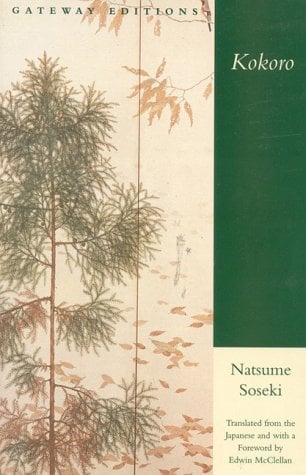
Start this bookNo. 23 on this list. Kokoro · Natsume Sōseki · 1914
Included in: UNESCO Collection of Representative Works
Kokoro is universally regarded as the supreme masterpiece of modern Japanese literature and one of the most important novels of the twentieth century in any language. It is the single most commonly assigned novel in Japanese high schools and universities, and appears on literature syllabi worldwide. It has been continuously in print since 1914 and has been translated into dozens of languages. It is a permanent fixture of every serious list of world literature, from the Penguin Classics and Oxford World Classics catalogs to Harold Bloom's discussions of global literary achievement.
Moderate4.5 hours
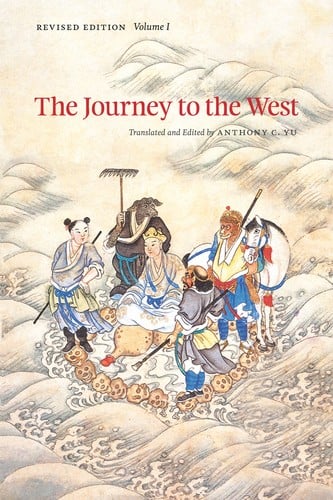
Start this bookNo. 24 on this list. Journey to the West · Wu Cheng'en · 1592
Wu Cheng'en sent a Buddhist monk and his three supernatural companions on a westward pilgrimage through eighty-one trials, creating the great picaresque of Chinese literature — a work that fuses slapstick comedy, Daoist and Buddhist allegory, and some of the most inventive monster-fights in world fiction. The Monkey King, Sun Wukong, became the most recognizable trickster figure in East Asian culture.
Moderate5.8 hours
Read nowNo. 25 on this list. The Hunchback of Notre-Dame · Victor Hugo · 1831
Among Hugo most famous novels. Sparked Gothic Revival and cathedral preservation movement.
Challenging16 hours
Start this bookNo. 26 on this list. The Threepenny Opera · Bertolt Brecht · 1928
Die Dreigroschenoper premiered in Berlin on August 28, 1928, and became one of the most performed plays of the 20th century, with productions on every inhabited continent. It is core curriculum in theatre studies, German literature, European modernism, and political theory courses worldwide. No syllabus data appears in the database, but the play's canonical standing is among the highest in 20th-century drama.
Challenging2.1 hours
Start this bookNo. 27 on this list. The Scarlet Letter · Nathaniel Hawthorne · 1850
Taught in schools: Common Core text exemplars (Appendix B) (US), CSEC English B – Caribbean Examinations Council
Appears on 1,893 university syllabi (Open Syllabus, 81.9th percentile), a fixture of American literature courses and AP high school curricula across the United States. Wikipedia articles exist in 38 languages, and the work has continuous presence in American literary education since its 1850 publication.
Difficult9.4 hours
Read nowNo. 28 on this list. A Good Man Is Hard to Find · Flannery O'Connor · 1955
One of the most important short story collections in American literature. The title story alone is among the most widely taught and analyzed works of American fiction.
Moderate2.8 hours
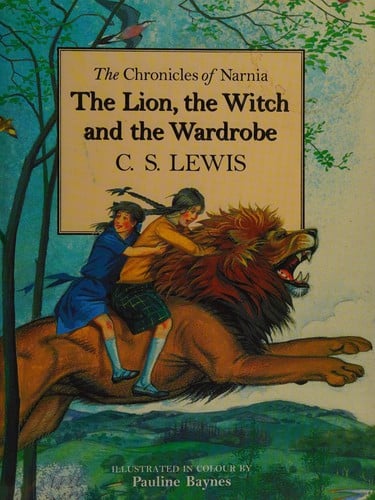
Start this bookNo. 29 on this list. The Lion, the Witch and the Wardrobe · C.S. Lewis · 1950
The Lion, the Witch and the Wardrobe is taught in elementary and middle schools worldwide and is considered essential children's literature. It appears on countless reading lists and is often children's introduction to fantasy literature. The Narnia series is foundational to understanding modern fantasy and children's fiction.
Easy2.1 hours
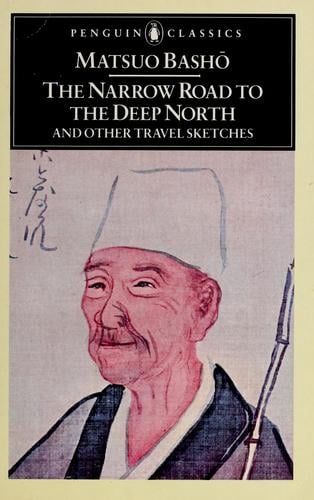
Start this bookNo. 30 on this list. The Narrow Road to the Deep North and Other Travel Sketches · Matsuo Bashō · 1702
It is one of the central works of Japanese literature and appears in Penguin Classics. It is taught widely in world literature and Asian studies courses.
Moderate1.6 hours
Start this book
No. 31 on this list. Theogony/Works and Days
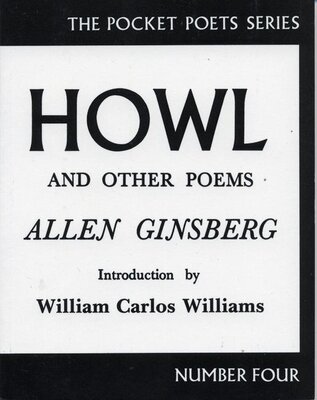
No. 32 on this list. Uivo e Outros Poemas
Allen Ginsberg · 2014
No. 33 on this list. King James Bible
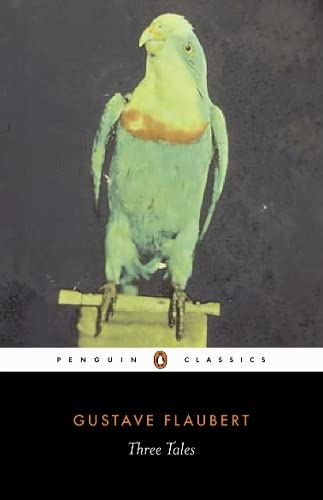
No. 34 on this list. Three Tales
Gustave Flaubert · 1877
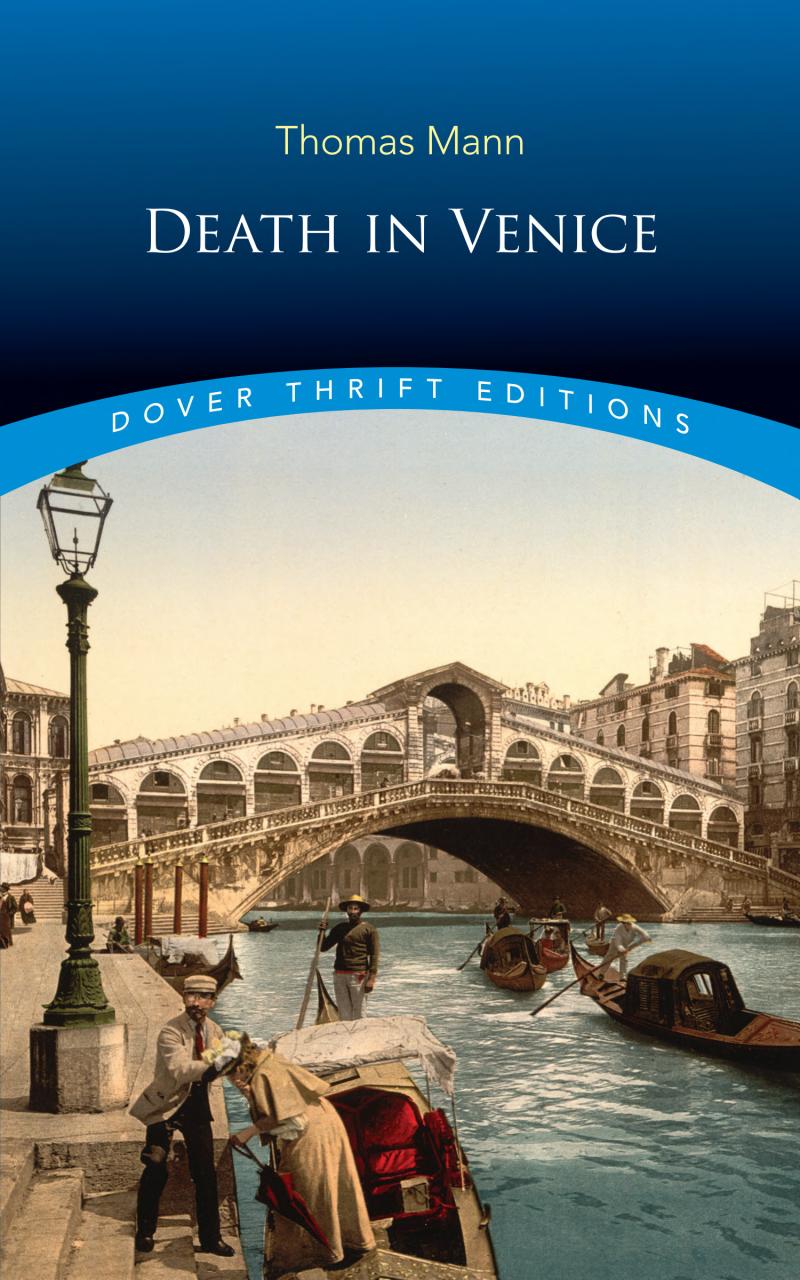
No. 35 on this list. Death in Venice
Thomas Mann · 1912
Included in: Great Books of the Western World
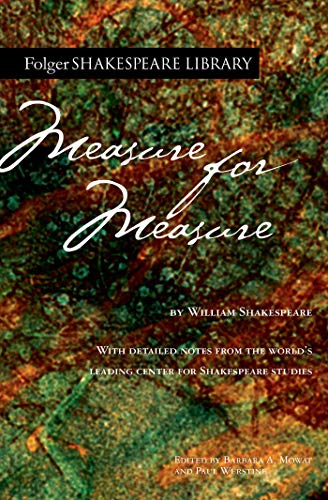
No. 36 on this list. Measure for Measure
William Shakespeare · 1604
Taught in schools: AQA GCSE and A-level English Literature (UK), WJEC/Eduqas GCSE and A-level English Literature (UK)
Included in: Great Books of the Western World
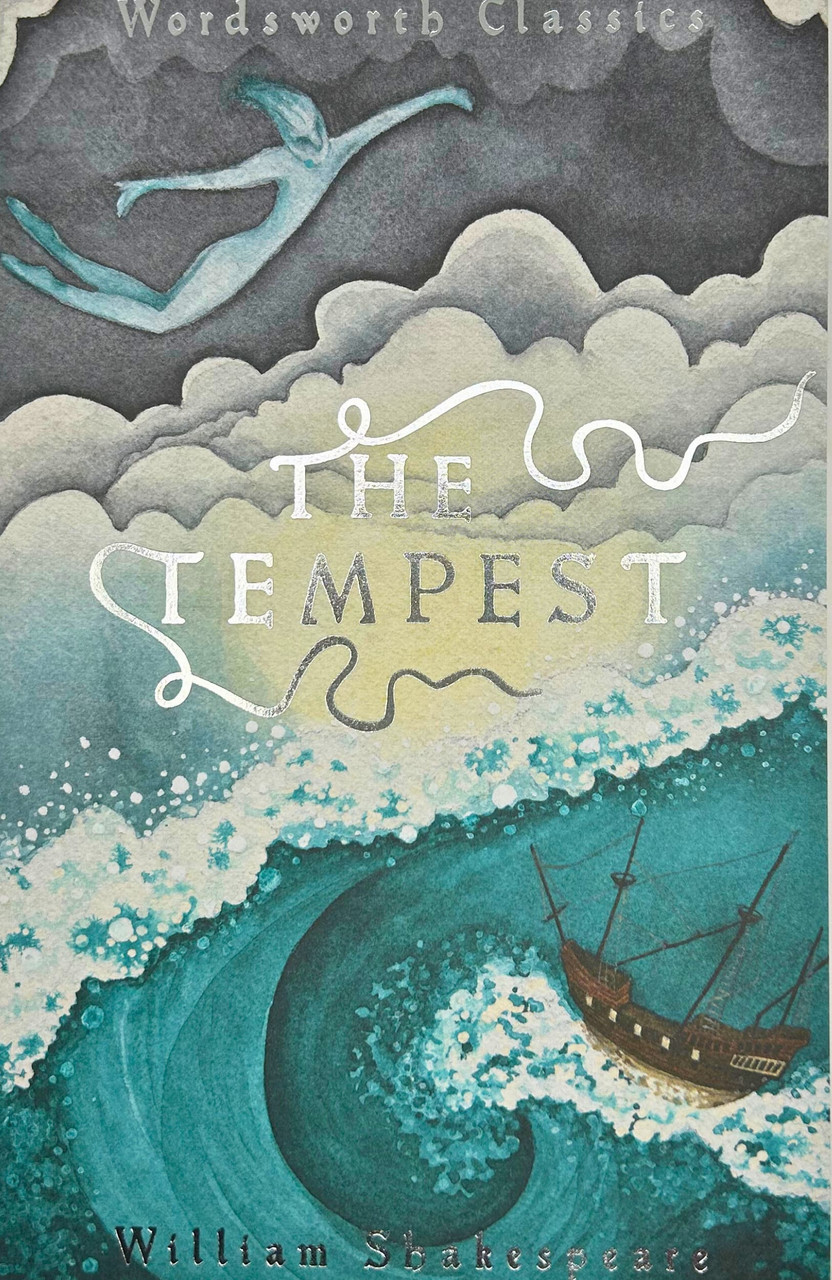
No. 37 on this list. The Tempest
William Shakespeare · 1611
Taught in schools: Pearson Edexcel GCSE and A-level English Literature (UK), UNAM Escuela Nacional Preparatoria – programas de Literatura (Mexico), WJEC/Eduqas GCSE and A-level English Literature (UK)
Included in: Great Books of the Western World
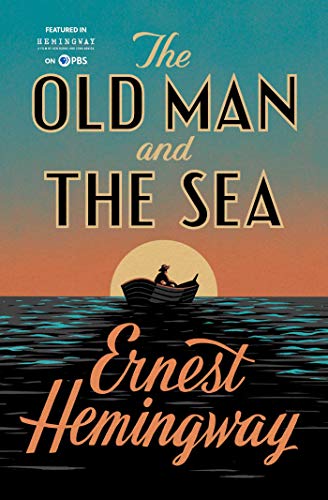
No. 38 on this list. O Velho e o Mar
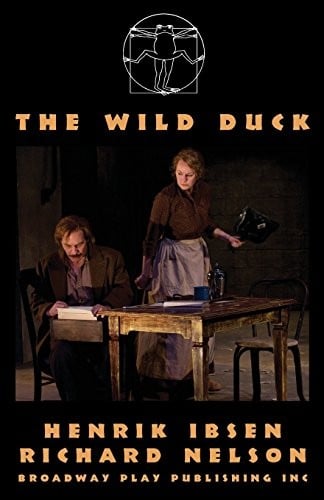
No. 39 on this list. The Wild Duck
Henrik Ibsen · 1884
Taught in schools: Hungarian literature curriculum (magyar nyelv és irodalom) (Hungary)
Included in: Great Books of the Western World
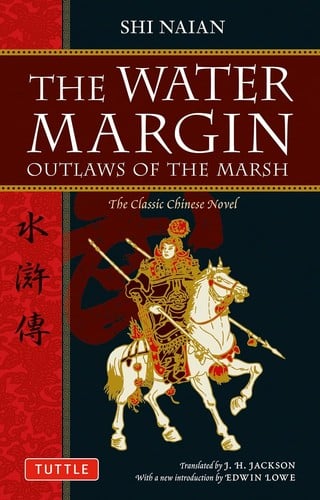
No. 40 on this list. Water Margin
Included in: Bibliothèque de la Pléiade

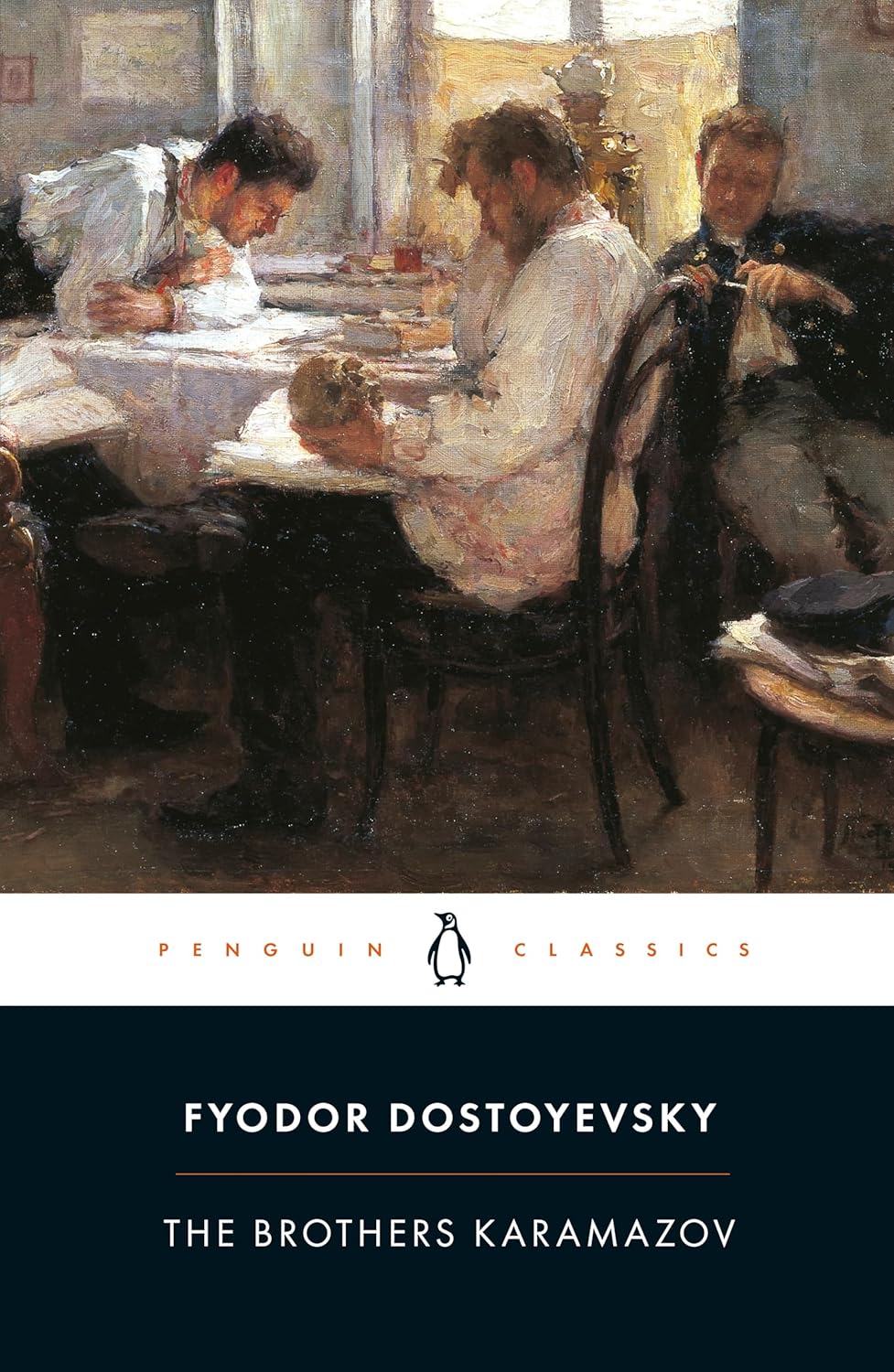
No. 41 on this list. The Brothers Karamazov
Fyodor Dostoevsky · 1880
Included in: Bokklubben World Library, Great Books of the Western World
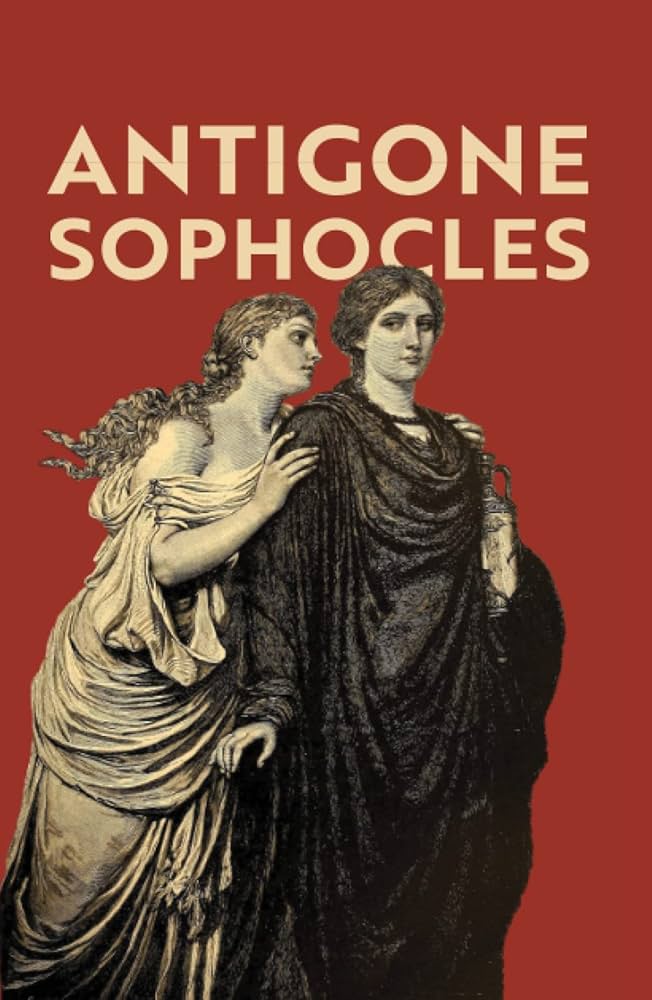
No. 42 on this list. Antigone
Sophocles · c. 441 BCE
Taught in schools: Hungarian literature curriculum (magyar nyelv és irodalom) (Hungary), Lektury obowiązkowe – Polish national reading list (Poland), Montenegrin literature curriculum (crnogorski jezik i književnost) (Montenegro)
Included in: Great Books of the Western World
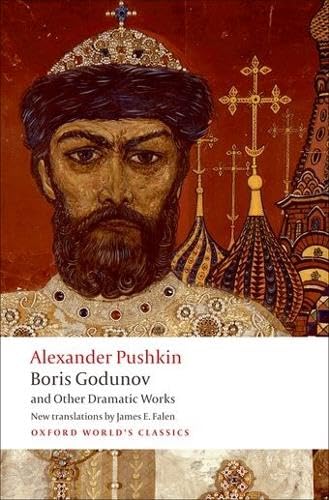
No. 43 on this list. Boris Godunov
Alexander Pushkin · 1831
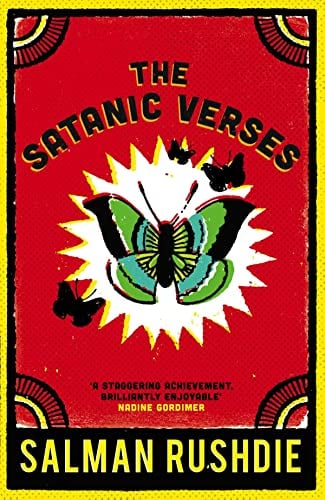
No. 44 on this list. The Satanic Verses
Salman Rushdie · 1988
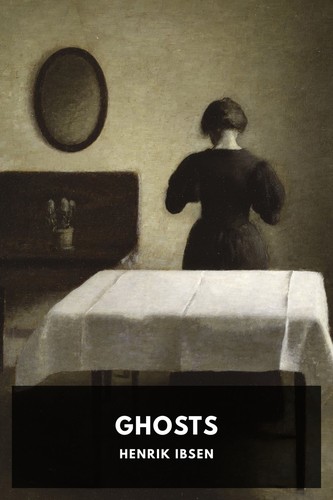
No. 45 on this list. Ghosts
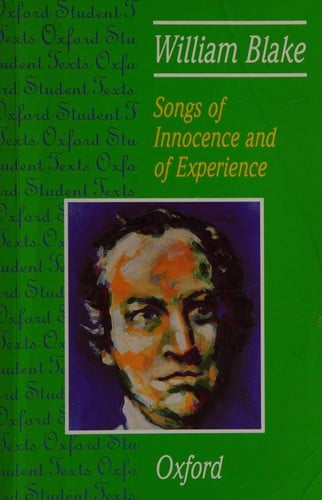
No. 46 on this list. Songs of Innocence and of Experience
William Blake · 1794
Taught in schools: AQA GCSE and A-level English Literature (UK)
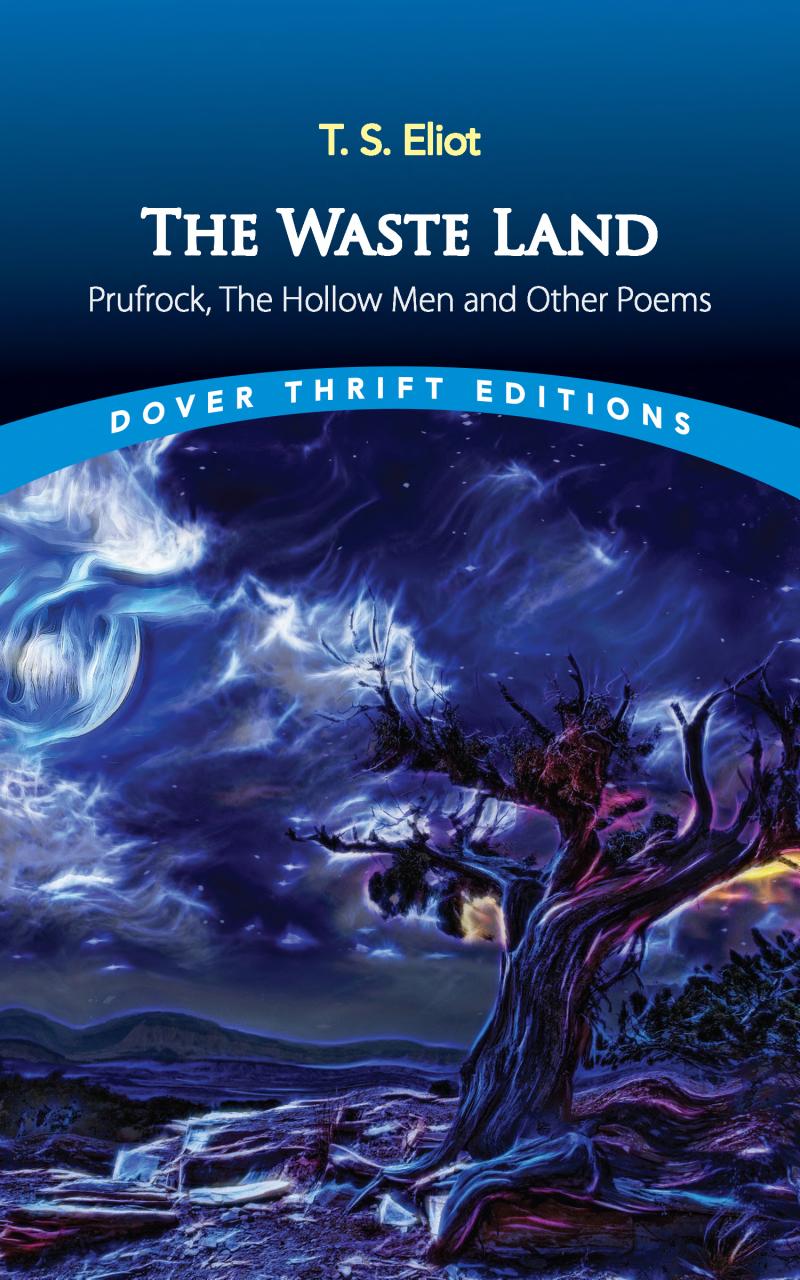
No. 47 on this list. The Hollow Men
T. S. Eliot · 1925
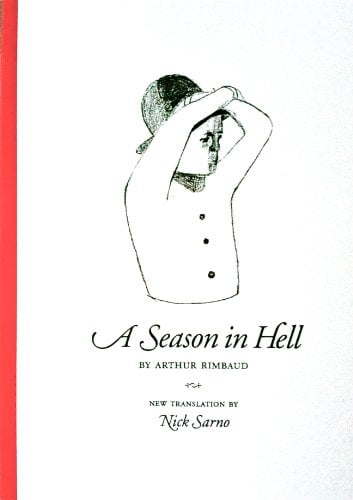
No. 48 on this list. A Season in Hell
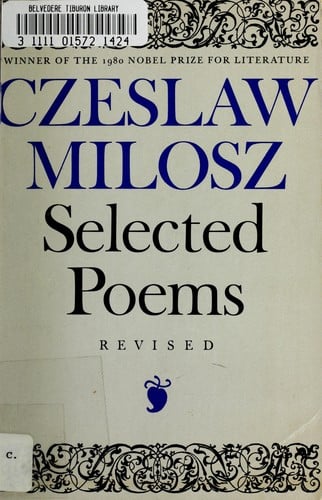
No. 49 on this list. Selected Poems of Czesław Miłosz
Czesław Miłosz · 1988
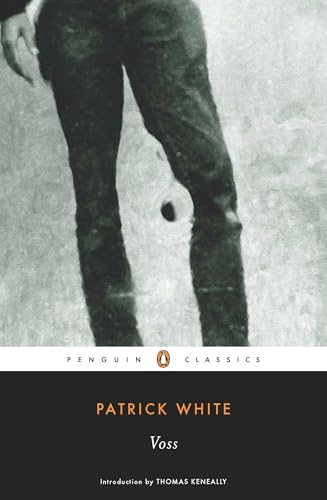
No. 50 on this list. Voss
Patrick White · 1957
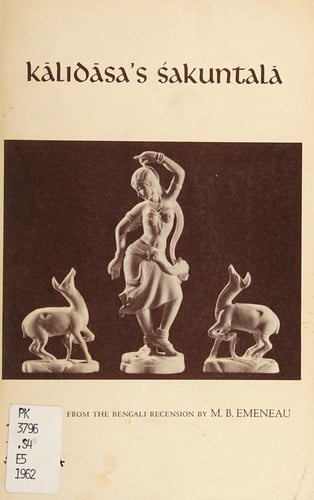
No. 51 on this list. Shakuntala
Kalidasa · 400
No. 52 on this list. The Recognition of Sakuntala
No. 53 on this list. Life Is a Dream
Pedro Calderon de la Barca · 1635
No. 54 on this list. Poem Without a Hero
Anna Akhmatova · 1960
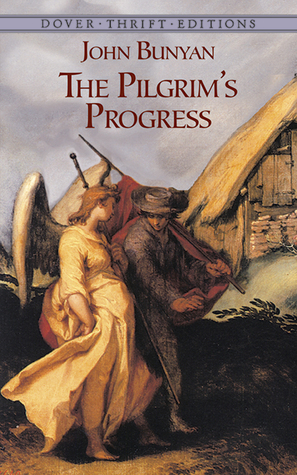
No. 55 on this list. The Pilgrims Progress
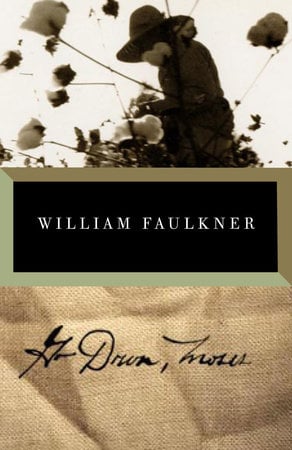
No. 56 on this list. Go Down, Moses
William Faulkner · 1942
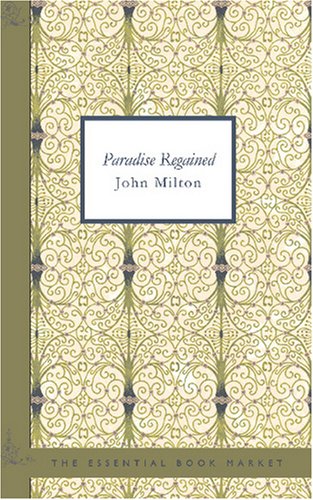
No. 57 on this list. Paradise Regained
John Milton · 1671
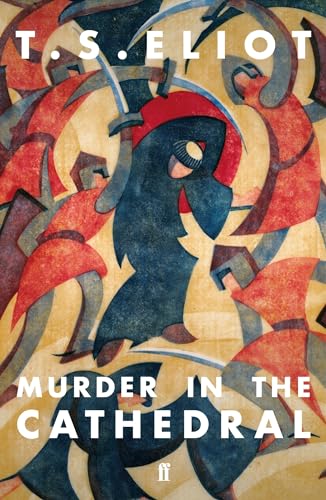
No. 58 on this list. Murder in the Cathedral
T. S. Eliot · 1935
No. 59 on this list. The Iceman Cometh
Eugene O'Neill · 1946
No. 60 on this list. Brideshead Revisited
Evelyn Waugh · 1945
No. 61 on this list. Benito Cereno
Herman Melville · 1855
No. 62 on this list. Angels in America: Perestroika
Tony Kushner · 1992
No. 63 on this list. Martin Chuzzlewit
Charles Dickens · 1844
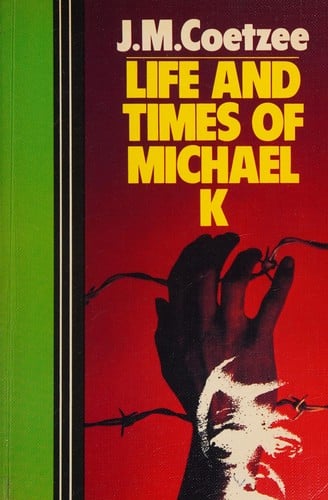
No. 64 on this list. Life & Times of Michael K
J.M. Coetzee · 1983
Taught in schools: UNAM Escuela Nacional Preparatoria – programas de Literatura (Mexico)
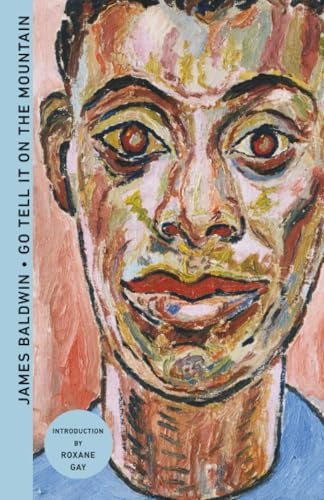
No. 65 on this list. Go Tell It on the Mountain
James Baldwin · 1953
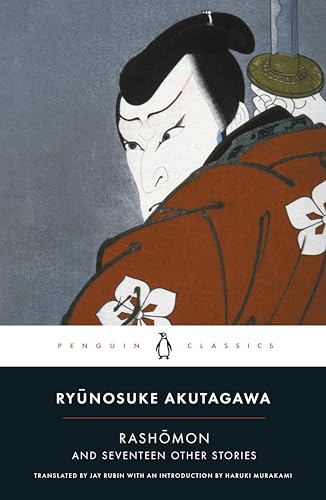
No. 66 on this list. Rashomon and Seventeen Other Stories
Ryūnosuke Akutagawa · 1915
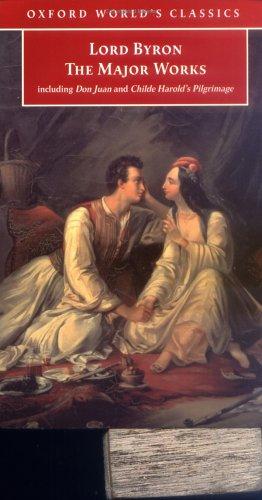
No. 67 on this list. The major works
No. 68 on this list. The Good Soldier
Ford Madox Ford · 1915
No. 69 on this list. Britannicus
Jean Racine · 1669
No. 70 on this list. The Ones Who Walk Away from Omelas
Ursula K Le Guin · 1973
No. 71 on this list. Uncle Tom's Cabin
Harriet Beecher Stowe · 1852
No. 72 on this list. The Mystery of Edwin Drood
Charles Dickens · 1870
No. 73 on this list. A Grain of Wheat
Ngugi wa Thiong'o · 1967
Included in: Heinemann African Writers Series
No. 74 on this list. Salammbô
Gustave Flaubert · 1862
No. 75 on this list. Billy Budd, Sailor
Taught in schools: Common Core text exemplars (Appendix B) (US)
No. 76 on this list. Exile and the Kingdom
Albert Camus · 1957
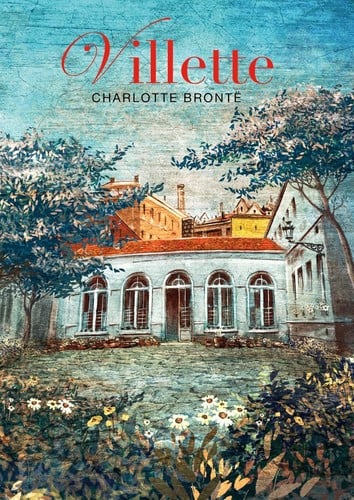
No. 77 on this list. Villette
Charlotte Brontë · 1853
No. 78 on this list. The Complete Sherlock Holmes - Volume I
No. 79 on this list. Siddhartha
Hermann Hesse · 1922
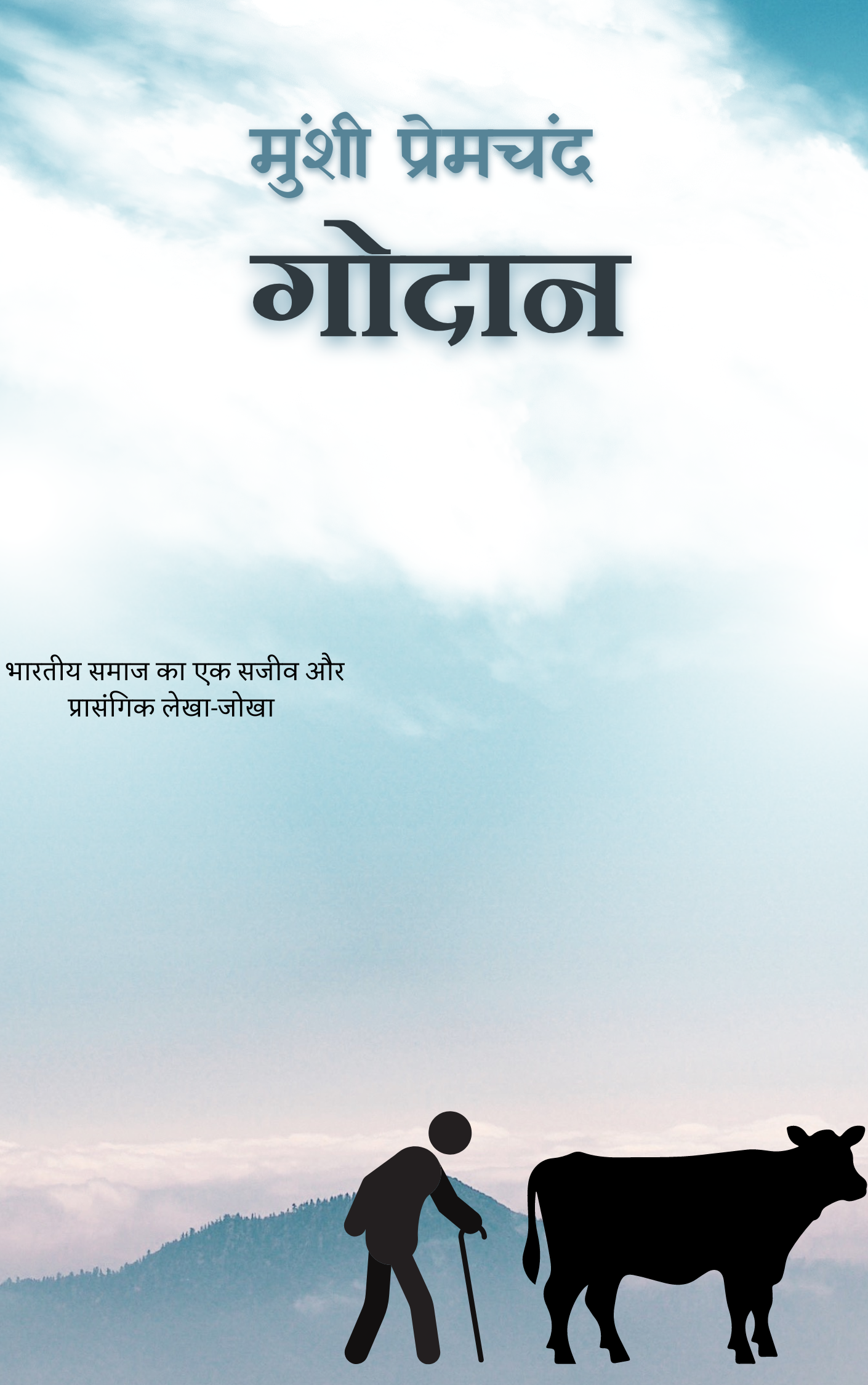
No. 80 on this list. Godaan
Premchand · 1936

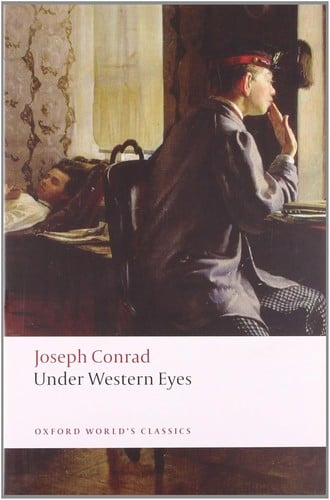
No. 81 on this list. Under Western Eyes
Joseph Conrad · 1911
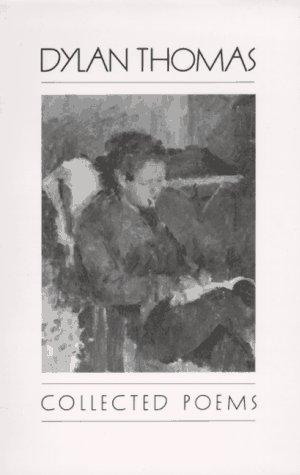
No. 82 on this list. Collected Poems
Dylan Thomas · 1971
No. 83 on this list. The Golden Ass
Apuleius · 170
Included in: Oxford World's Classics
No. 84 on this list. Joseph Conrad: The Complete Collection
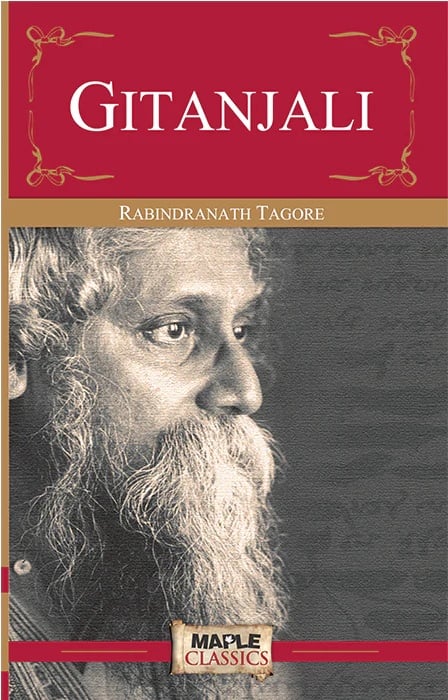
No. 85 on this list. Gitanjali
Rabindranath Tagore · 1910
Included in: UNESCO Collection of Representative Works
No. 86 on this list. Jerusalem Delivered
Torquato Tasso · 1581
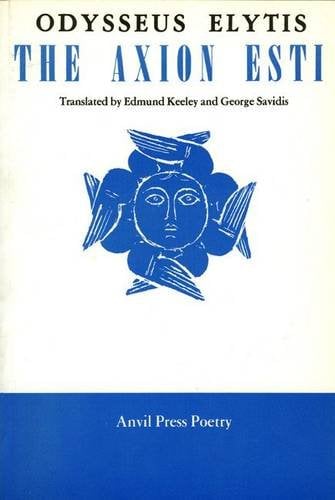
No. 87 on this list. The Axion Esti
Odysseas Elytis · 1959
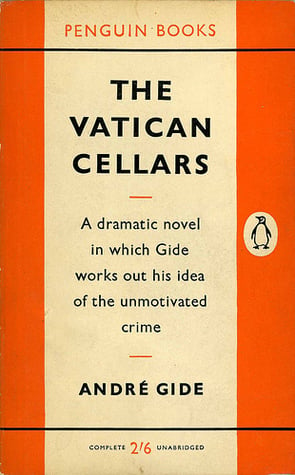
No. 88 on this list. The Vatican Cellars
André Gide · 1914
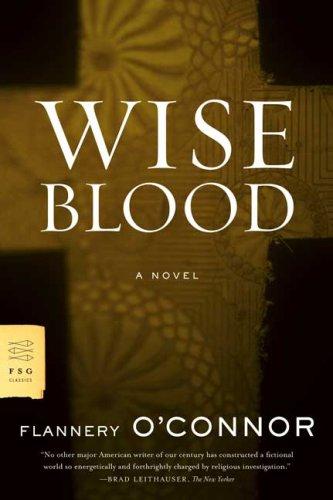
No. 89 on this list. Wise Blood
Flannery O'Connor · 1952
No. 90 on this list. The Princess of Cleves
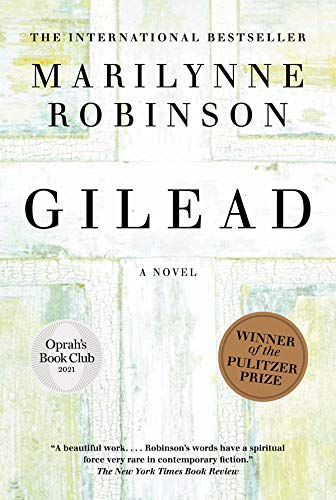
No. 91 on this list. Gilead
Marilynne Robinson · 2005
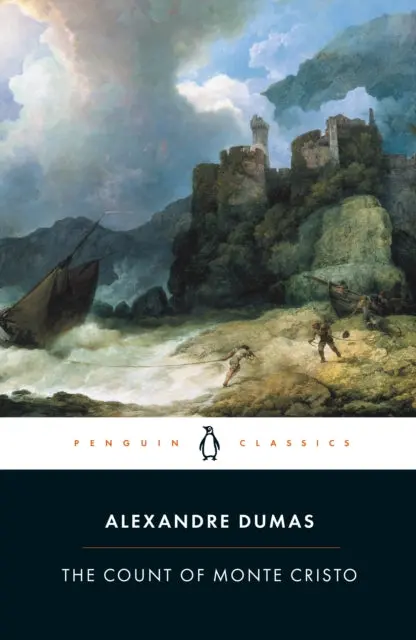
No. 92 on this list. The Count of Monte Cristo
Alexandre Dumas · 1844
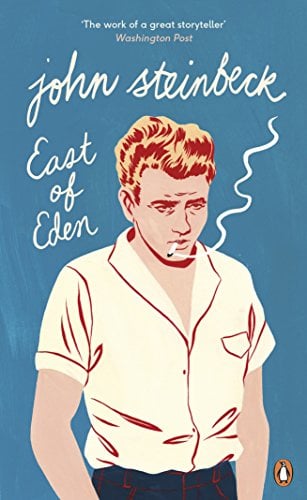
No. 93 on this list. East of Eden
John Steinbeck · 1952
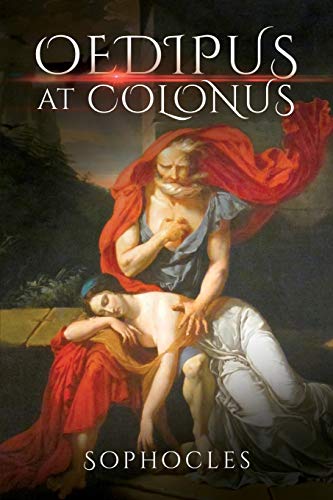
No. 94 on this list. Oedipus at Colonus
Sophocles · c. 401 BCE
Included in: Great Books of the Western World
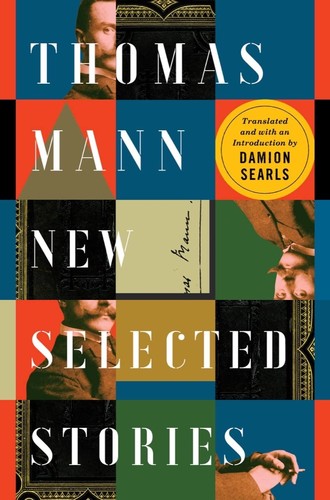
No. 95 on this list. New Selected Stories
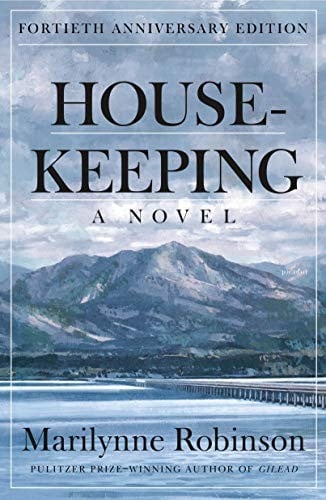
No. 96 on this list. Housekeeping
Marilynne Robinson · 1980
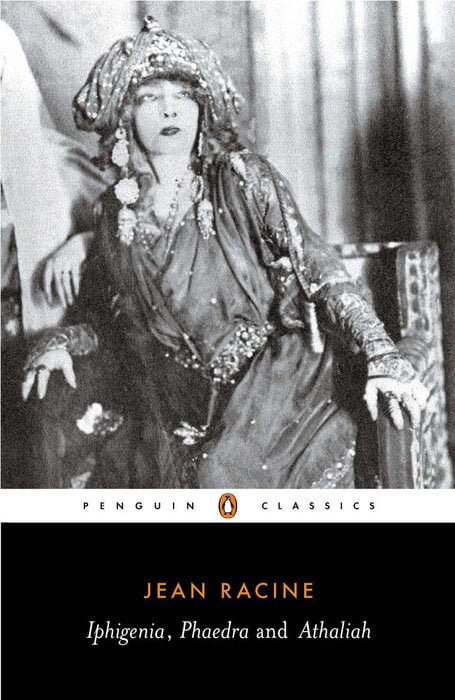
No. 97 on this list. Athalie
Jean Racine · 1691
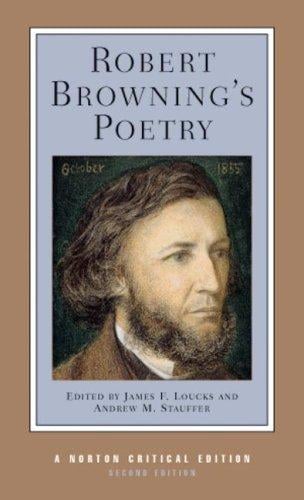
No. 98 on this list. Robert Browning's Poetry
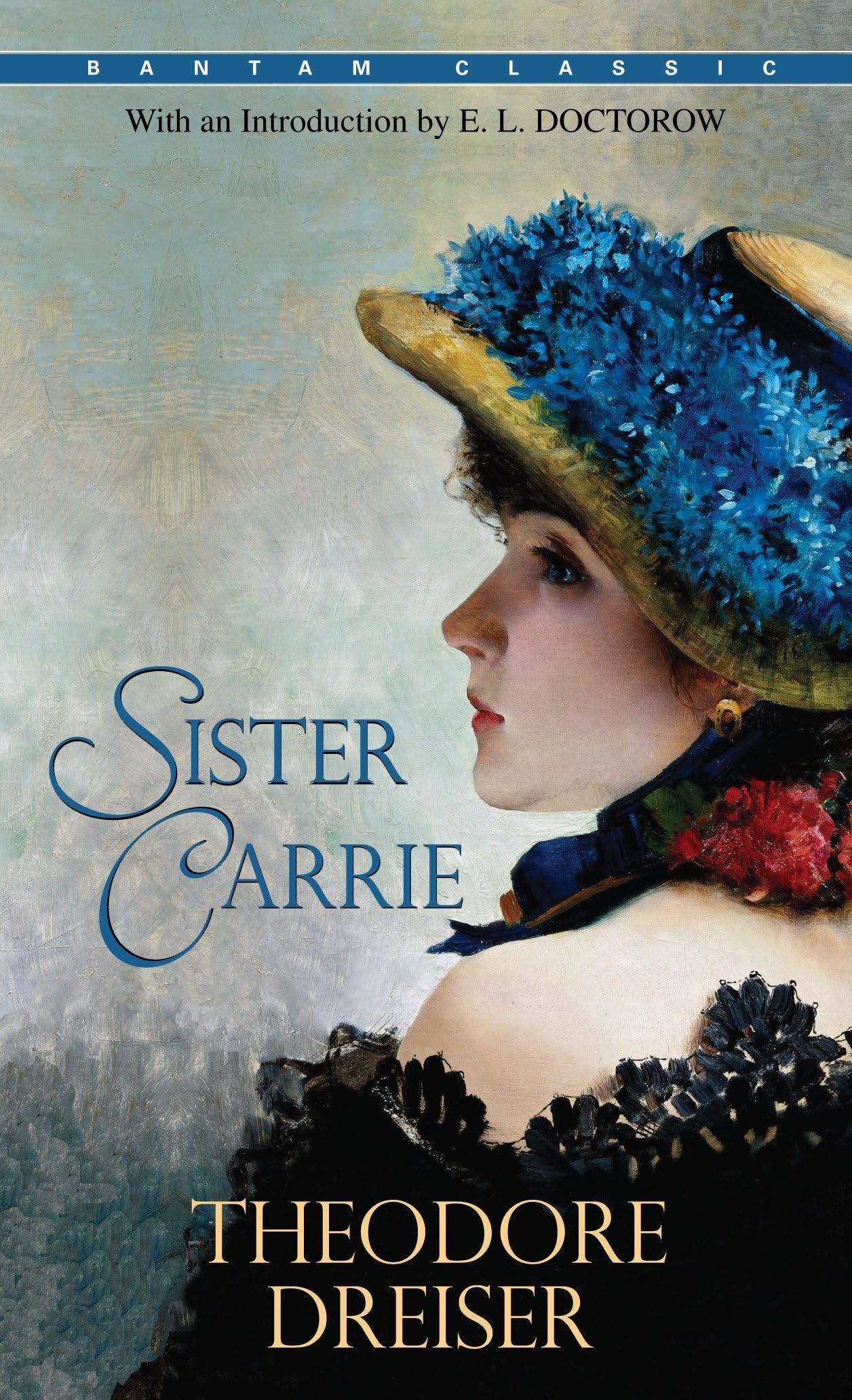
No. 99 on this list. Sister Carrie
Theodore Dreiser · 1900
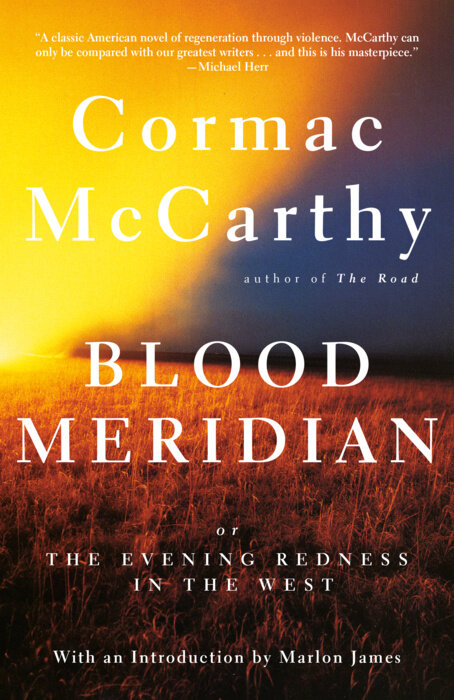
No. 100 on this list. Meridiano de Sangue
Cormac McCarthy · 2009
About this list
These 100 books are the highest-scoring eligible books about faith and spirituality currently in the catalogue. About 851 hours of reading in all, for the 95 with measured lengths. Difficulty runs from 49 to 65 out of 100 for the middle half of the list; the summit is Poem Without a Hero at 81.
This list is ranked by literary regard, with a consistent order for equal scores. Membership follows authors and co-authors, not translators or editors. A book is here when ReadingRate files it under Faith & Spirituality as one of its primary reading domains, at a confidence of 0.8 or more. Catalogue coverage and the historical canon both limit what this list can represent.
When we matched the Canons dataset to our catalogue in October 2026, our canonical-status scores rose with the number of school curricula, publisher series and lists in it that cite a work: the median score was 72 for books one such source cites, 84 at two, 88 at three, 92 at four and 93 at five or more. Prizes are left out of that count. Outside the state curricula, the dataset’s sources choose mostly from what has been translated into English or French, so it is a weaker check on other literatures. Source: Canons (Andrew Piper), CC BY 4.0
Questions people actually ask
- What are the best books about faith and spirituality?
- By literary regard, which weighs canonical status, critical standing and influence: Divine Comedy by Dante Alighieri, The Iliad / The Odyssey by Homer, The Devine Comedy by Dante Alighieri, Paradise Lost by John Milton and On the Nature of Things by Lucretius. ReadingRate ranks 100 such books, each with a difficulty score and a reading-time estimate.
- Which books about faith and spirituality should I read first?
- Start from difficulty, not from rank. The most approachable books on this list that still carry top literary regard are The Complete Sherlock Holmes - Volume I by Arthur Conan Doyle (about 5.6 hours), The Lion, the Witch and the Wardrobe by C.S. Lewis and O Velho e o Mar by Ernest Hemingway.
- What are the shortest of the best books about faith and spirituality?
- Among the top 25, the shortest are Four Quartets by T. S. Eliot (about 51 min), Tartuffe by Molière (about 1.3 hours) and The Bhagavad Gita by Vyasa (about 2 hours), at an average pace of 250 words a minute adjusted for each book's difficulty.
- Which of the best books about faith and spirituality are the established classics?
- By canonical status, how firmly a book sits in curricula, anthologies and the canon: King James Bible by Anonymous, Divine Comedy by Dante Alighieri, The Iliad / The Odyssey by Homer, Mahabharata by Vyasa and The Devine Comedy by Dante Alighieri.
- Can I read any of these books about faith and spirituality for free?
- 29 of the 100 open in ReadingRate's reader with a free account, from public-domain editions: Divine Comedy, Paradise Lost, David Copperfield, Demons, The Winter's Tale and 24 more.
- How long would it take to read the top ten?
- About 133 hours, at an average pace of 250 words a minute adjusted for each book's difficulty: 67 days at two hours a day. Set your own pace on the page and the list's reading times change to it.
- How hard are books about faith and spirituality to read?
- Most of this list sits between 49 and 65 on ReadingRate's 100-point difficulty scale, where 40 to 55 is moderate. The summit is Poem Without a Hero at 81. Every entry carries its own score, so a reader can pick a great book at a difficulty they will finish.
- How is this list ranked?
- On literary-regard data: how canonically established a work is, its critical standing, and its influence on later writing. It is not a readers’ poll, which is why recent bestsellers rarely appear. Membership follows authors and co-authors, not translators or editors. Lists by country, author, period, theme or difficulty keep to literature: fiction, poetry and drama, with no philosophy, criticism or theory. A list of a kind of book, such as philosophy, memoir or criticism, keeps every book of that kind. Every list holds at most three works by one author. A book is here when ReadingRate files it under Faith & Spirituality as one of its primary reading domains, at a confidence of 0.8 or more.