Hours at an average pace
Showing 100 books
About 259 hours for 98 of 100 books with measured lengths. Estimates use 250 words a minute, adjusted for each book's difficulty. At 2 hours a day, about 130 days for those books.
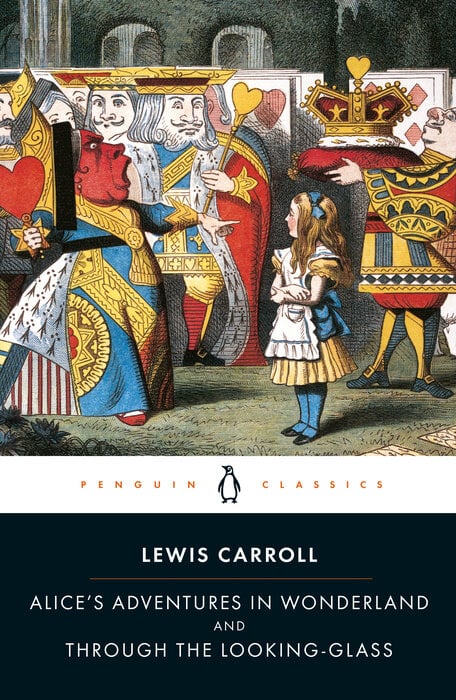
No. 1 on this list. Alice's Adventures in Wonderland and Through the Looking-Glass
Lewis Carroll · 1871
Moderate3.6 hours
No syllabus or Wikipedia-language data is recorded for this edition in our database, but Alice is a fixture of children's-literature, Victorian-studies, and philosophy-of-language courses worldwide. It remains one of the most translated books in history, with a reach comparable to Hamlet's or The Great Gatsby's syllabus ubiquity.
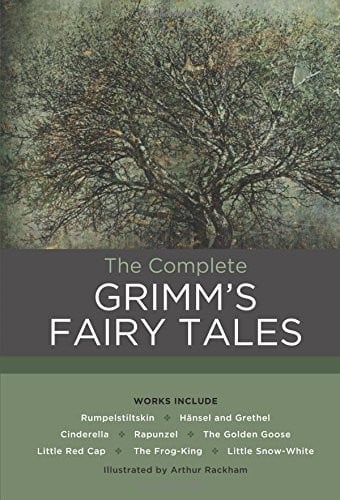
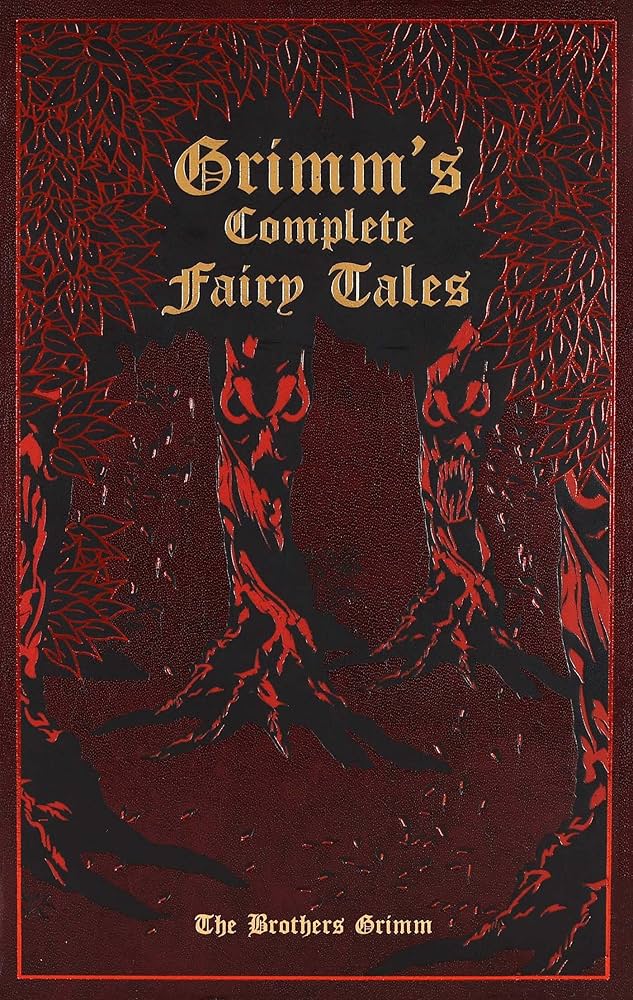
The Grimm tales are among the most widely taught and anthologized texts in the Western world, and they anchor folklore, children's literature, and German studies courses. Cinderella, Snow White, and Hansel and Gretel are cultural touchstones, though the edition itself is more of a reading text than a syllabus staple.
Jacob and Wilhelm Grimm collected Cinderella, Rapunzel, Hansel and Gretel, Snow White, and Rumpelstiltskin from oral sources and fixed them in print, giving Western childhood its permanent mythology. The collection launched the discipline of folklore studies and remains the most influential story anthology ever published.
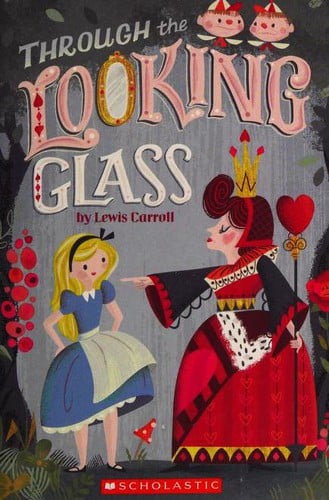
It is a core text of Victorian and children's literature, taught in courses on nonsense, fantasy and Victorian studies and constantly adapted. It trails only a little behind the first Alice book in curricula.
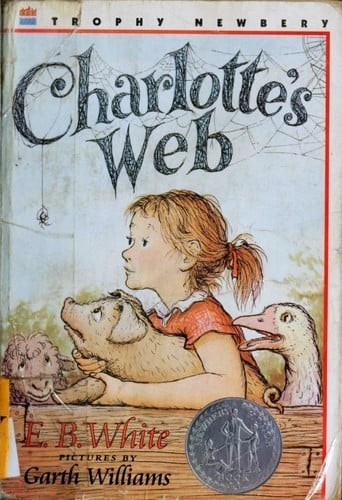
One of the most widely assigned books in American elementary and middle school curricula, read by tens of millions of children since 1952. Appears on virtually every list of essential American children's literature. Wikipedia articles exist in 30+ languages, reflecting global reach across generations.
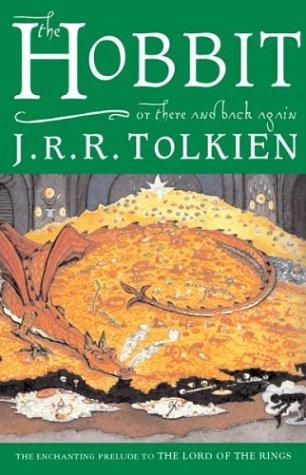
No. 6 on this list. The Hobbit
J.R.R. Tolkien · 1937
Easy5 hours
Taught in schools: CSEC English B – Caribbean Examinations Council, Kazakh literature curriculum (Kazakhstan)
A staple of children's and fantasy reading lists worldwide and widely taught in schools, though less common on university literature syllabi than major canonical novels.
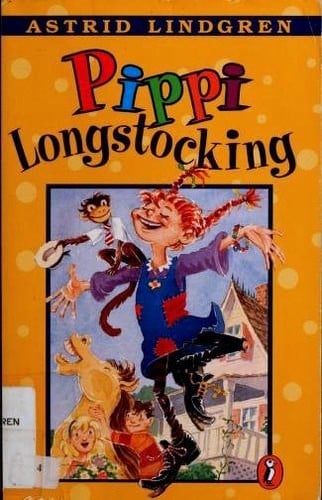
No. 7 on this list. Pippi Longstocking
Astrid Lindgren · 1945
Very Easy1.2 hours
Taught in schools: Lithuanian literature curriculum (lietuvių kalba ir literatūra)
Included in: Bokklubben World Library
Pippi Longstocking is translated into over 70 languages and has sold more than 140 million copies worldwide, making it one of the most widely distributed children's books ever published. It is standard reading in Swedish schools and appears on canonical children's literature lists across Europe and beyond. While not a fixture of university literature syllabi, it holds an unassailable position in the children's literature canon globally.
Andersen's tales sit at the centre of children's literature and world folk-tale reading. This particular 2018 edition has no syllabus data of its own, but the stories it draws on are taught and read worldwide.
One of the best-selling and most widely taught books worldwide, translated into hundreds of languages and a fixture in French school curricula and children's literature courses. It is less central to university literary study than the big novels.
The most translated Italian book and one of the most translated books in any language, standard in children's-literature courses, and continuously in print in Penguin Classics and NYRB editions since the 1890s.
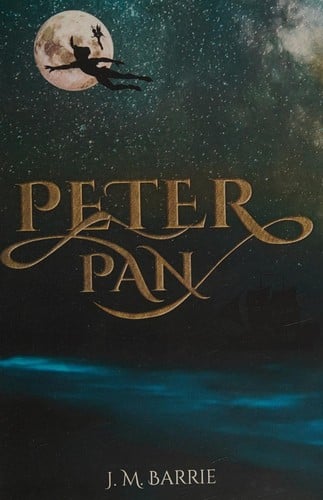
No. 11 on this list. Peter Pan · J.M. Barrie · 1911
Peter Pan is a fixture in children's literature curricula worldwide and appears in Wikipedia editions across 70+ languages, signaling its global cultural reach. The story originated as a 1904 stage play before the 1911 novel, giving it over a century of continuous readership, adaptation, and study. It appears regularly on university syllabi in courses covering children's literature, British modernism, and the cultural construction of childhood.
Challenging3.5 hours
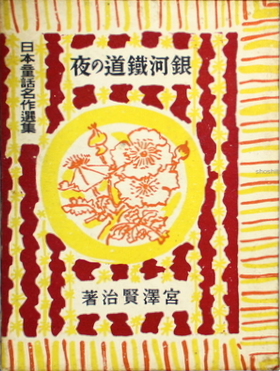
Start this bookNo. 12 on this list. Night on the Galactic Railroad · Kenji Miyazawa · 1934
One of the most beloved and widely adapted works in Japanese literature. Cultural landmark.
Moderate1.9 hours
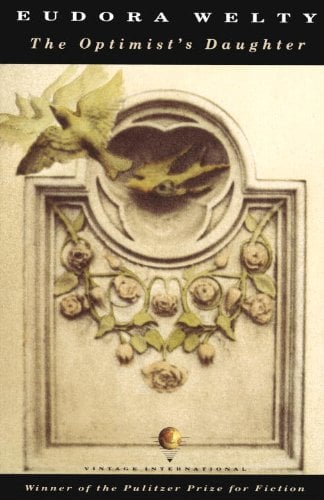
Start this bookNo. 13 on this list. The Optimist's Daughter · Eudora Welty · 1973
The Optimist's Daughter won the Pulitzer Prize for Fiction in 1973 and is widely recognized as a major work of American letters, though it remains less universally anthologized than Welty's other stories. Its place in the canon is secure but somewhat specialized, firmly established in serious literary study.
Moderate2.8 hours
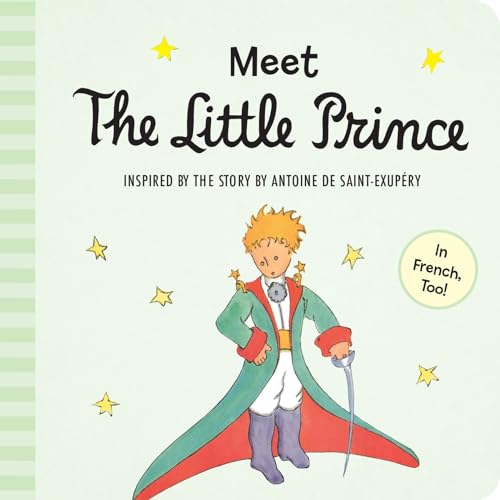
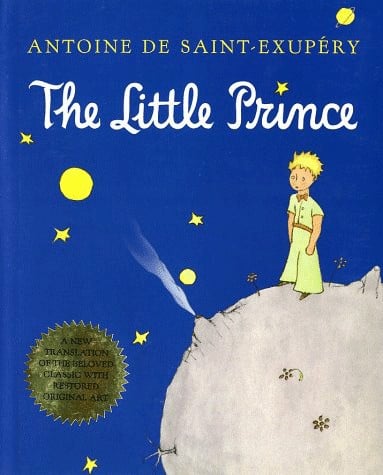
Start this bookNo. 14 on this list. The Little Prince · Antoine de Saint-Exupéry · 1943
Taught in schools: Common Core text exemplars (Appendix B) (US)
One of the most translated books in history with over 300 language editions, making it among the most widely read works of French literature. A staple of French school curricula and taught globally in world literature, philosophy, and children's literature courses. Wikipedia articles exist in well over 100 languages, reflecting universal cultural penetration.
Easy60 min
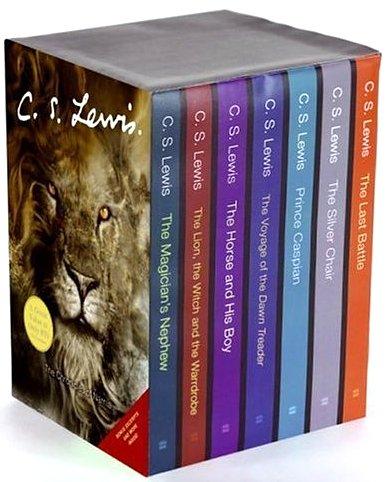
Start this bookNo. 15 on this list. The Chronicles of Narnia · C.S. Lewis
The series is taught widely in children's literature and in the study of Christian fantasy, and many schools read it. It is a staple, though less central to adult university syllabi than major novels.
Easy
Start this bookNo. 16 on this list. The Golden Pot · E.T.A. Hoffmann · 1814
One of the masterpieces of German Romanticism and Hoffmann's most celebrated tale. Widely studied in German literature courses.
Moderate1.9 hours
Start this bookNo. 17 on this list. The Wonderful Wizard of Oz · L. Frank Baum · 1900
Taught in schools: Common Core text exemplars (Appendix B) (US)
The book is a foundation of American children's literature and fantasy, widely read in schools and shelved in libraries everywhere. Its place in classroom curricula is less central than that of Gatsby or Mockingbird, though it is a staple of children's literature courses.
Very Easy1.9 hours
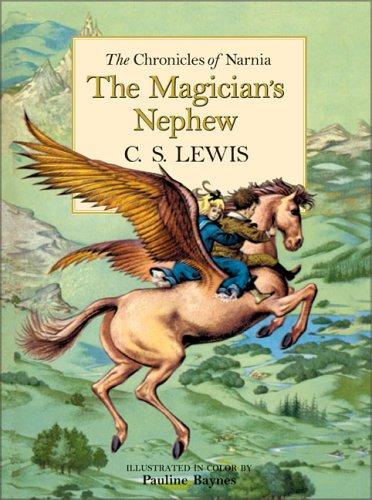
Start this bookNo. 18 on this list. The Magician’s Nephew · C.S. Lewis · 1955
The Chronicles of Narnia rank among the most widely read children's series of the 20th century, with over 100 million copies sold globally. The Magician's Nephew appears on virtually every major 'best children's books' list and is taught in primary schools worldwide. No syllabus data available in the database, but its foundational place in children's literature curricula — particularly in English-speaking countries — establishes strong canonical status within its sphere.
Easy2.3 hours
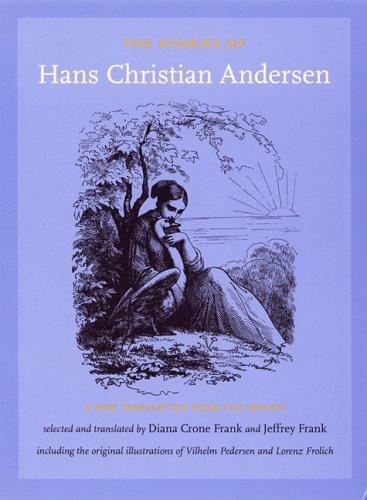
Start this bookNo. 19 on this list. The Stories of Hans Christian Andersen · Hans Christian Andersen
Andersen's tales are world classics read in homes and schools everywhere, and this edition aims at the classroom and the literary canon. The stories are widely taught, though this particular translation is one edition among many.
Easy5.4 hours
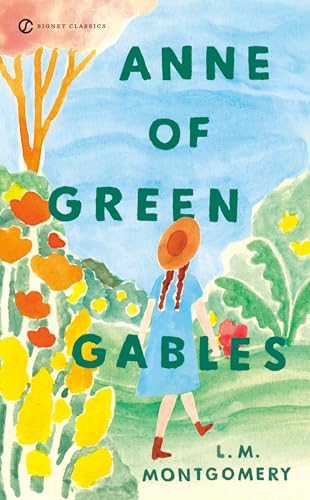
Start this bookNo. 20 on this list. Anne of Green Gables · L.M. Montgomery · 1908
Anne of Green Gables holds a secure place in the literary canon as one of the most enduring works of children's and young adult fiction. First published in 1908, it has never gone out of print, has been translated into over 36 languages, and has sold more than 50 million copies worldwide. It is widely taught in schools across Canada and globally, and its protagonist Anne Shirley has become a mythic icon of Canadian culture — a figure of comparable recognizability to Alice in Wonderland. While it sits firmly in the popular/children's classics tier rather than the prestige 'Great Books' canon, its canonical standing within its genre and cultural sphere is unassailable.
Easy5.7 hours
Start this book
No. 21 on this list. The Voyage of the Dawn Treader · C.S. Lewis · 1952
The Chronicles of Narnia as a series holds a stable position on children's literature reading lists and required-reading recommendations across the English-speaking world. No syllabus data appears in the database for this specific entry, but Lewis's series figures on virtually every 'essential fantasy' and 'essential children's literature' canon list published since the 1970s.
Easy3.7 hours
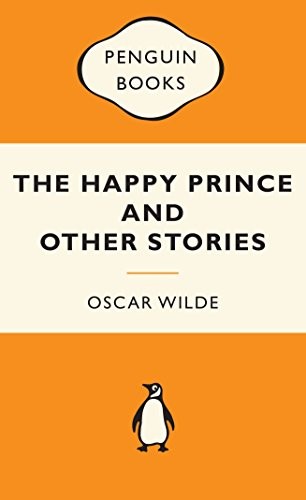
Start this bookNo. 22 on this list. The Happy Prince and Other Stories · Oscar Wilde · 1888
'The Happy Prince' is a fixture of primary and secondary reading lists and one of the most widely anthologized fairy tales in English, translated into dozens of languages and repeatedly adapted for stage, opera, and animation. It's a children's-literature classic on the order of Andersen's tales rather than a university-syllabus staple like Gatsby or Mockingbird.
Moderate1.3 hours
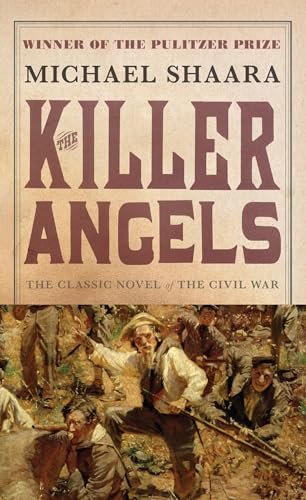
Start this bookNo. 23 on this list. The Killer Angels · Michael Shaara · 1975
Taught in schools: Common Core text exemplars (Appendix B) (US)
Appears on 1,193 university syllabi (77th percentile in Open Syllabus) and is widely assigned in high schools and military academies. It is the standard novel of Gettysburg.
Moderate7.6 hours
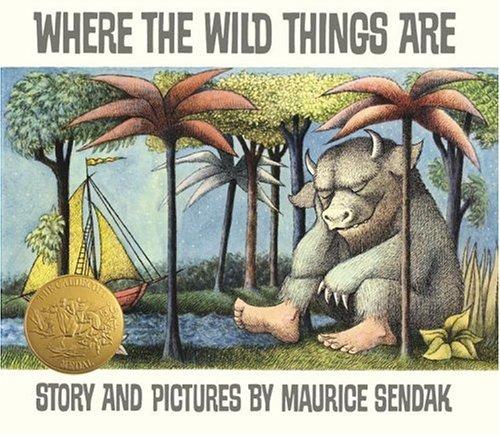
Start this bookNo. 24 on this list. Where the Wild Things Are · Maurice Sendak · 1963
Max puts on his wolf suit and makes mischief of one kind and another until his mother calls him "WILD THING" and sends him to bed without his supper. His room grows into a forest, an ocean tumbles by, and Max sails to the place where the wild things are—huge, yellow-eyed, horn-headed monsters who roar their terrible roars and gnash their terrible teeth. Max tames them with a magic trick of staring into their eyes without blinking, and they make him king of all wild things. The wild rumpus follows: a wordless bacchanal across three double-page spreads of pure, joyous destruction. Then Max smells good things to eat and wants to be where someone loves him best of all. He sails home and finds his supper waiting, still hot. Sendak compressed into 338 words and ten sentences the entire emotional arc of childhood anger: the rage, the fantasy of power, the satiation of wildness, and the return to love. The illustrations expand as Max's fantasy grows—from small vignettes to borderless full pages—and contract as he returns, a visual rhythm that mirrors the emotional one. The book was controversial upon publication for its refusal to punish Max's anger and has since become the most influential picture book of the 20th century.
Very Easy1 min
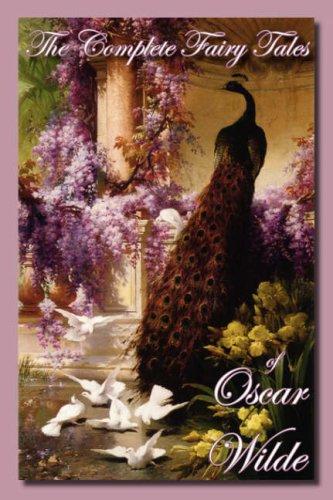
Start this bookNo. 25 on this list. The Complete Fairy Tales · Oscar Wilde
'The Happy Prince' and 'The Selfish Giant' are staples of school anthologies and children's reading lists worldwide, and they appear in Victorian and Wilde courses. Wilde's plays and Dorian Gray take up more syllabus space than the tales do.
Moderate2.4 hours
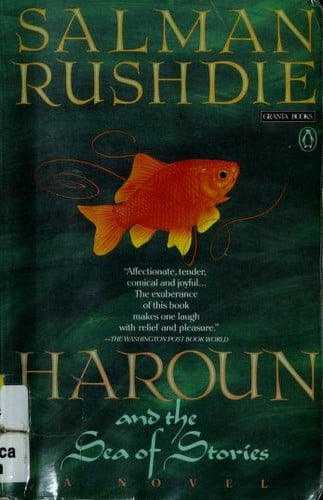
Start this bookNo. 26 on this list. Haroun and the Sea of Stories · Salman Rushdie · 1990
A staple of children's-literature and postcolonial syllabi and one of the most taught allegories of censorship.
Moderate3.3 hours
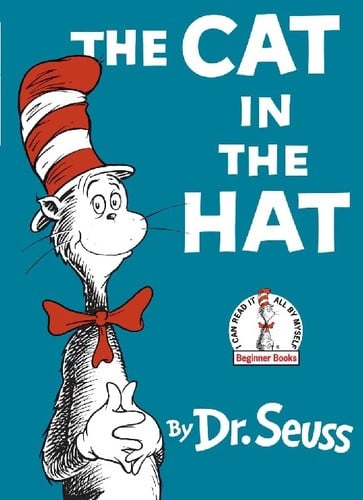
Start this bookNo. 27 on this list. The Cat in the Hat · Dr. Seuss · 1957
Taught in early literacy classrooms everywhere and a staple of children's reading, though rarely studied in literature courses. Its place in children's literature is secure, and Dr. Seuss is universal in schools.
Very Easy42 min
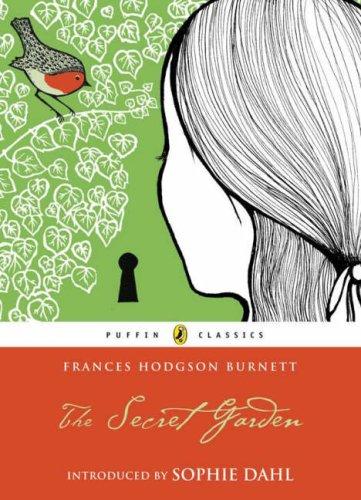
Start this bookNo. 28 on this list. The Secret Garden · Frances Hodgson Burnett · 1911
Taught in schools: Common Core text exemplars (Appendix B) (US)
The Secret Garden has stayed in print since 1911 and remains a staple of children's classics lists and school reading across the English-speaking world. The Common Core State Standards (2010) name it among their text exemplars for upper-elementary grades, and it is regularly set in children's literature courses.
Easy4.6 hours
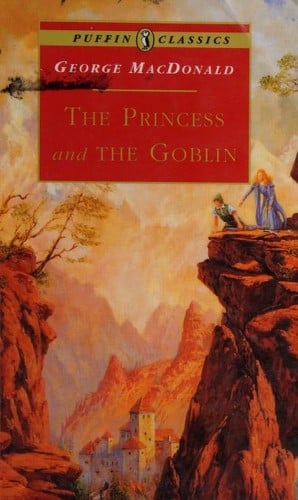
Start this bookNo. 29 on this list. The Princess and the Goblin · George MacDonald · 1872
The Princess and the Goblin is a classic of Victorian children's literature, regularly included in histories and courses on children's fantasy beside Alice's Adventures in Wonderland and The Water-Babies. It has stayed in print since its book publication in 1872.
Easy3.5 hours
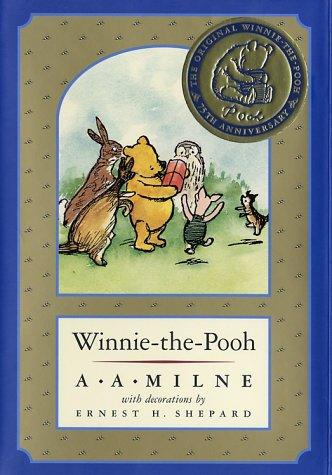
Start this bookNo. 30 on this list. Winnie-the-Pooh · A.A. Milne · 1926
A staple of children's literature worldwide, translated into dozens of languages and on countless reading lists. It is taught as a children's classic rather than in literary theory courses.
Very Easy2.1 hours
Start this book
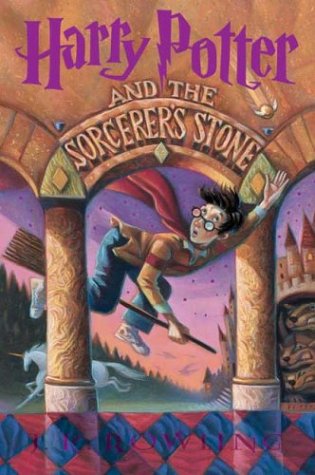
No. 31 on this list. Harry Potter and the Sorcerer's Stone
J.K. Rowling · 2003
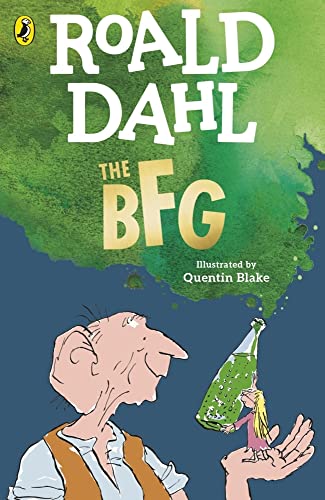
No. 32 on this list. The BFG
Roald Dahl · 1982
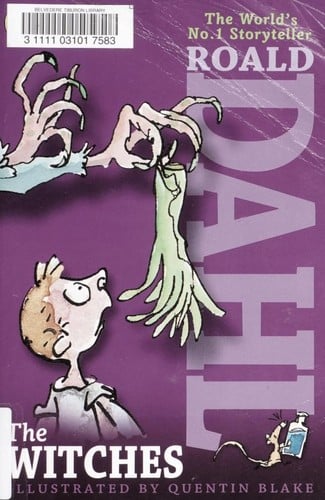
No. 33 on this list. The Witches
Roald Dahl · 1983
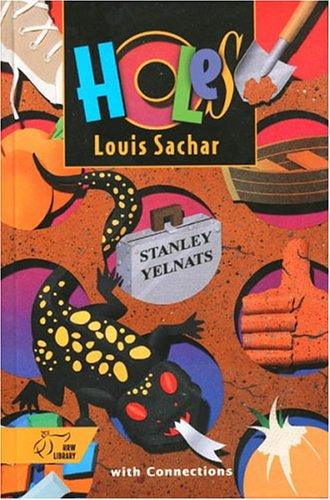
No. 34 on this list. Holes
Louis Sachar · 1998
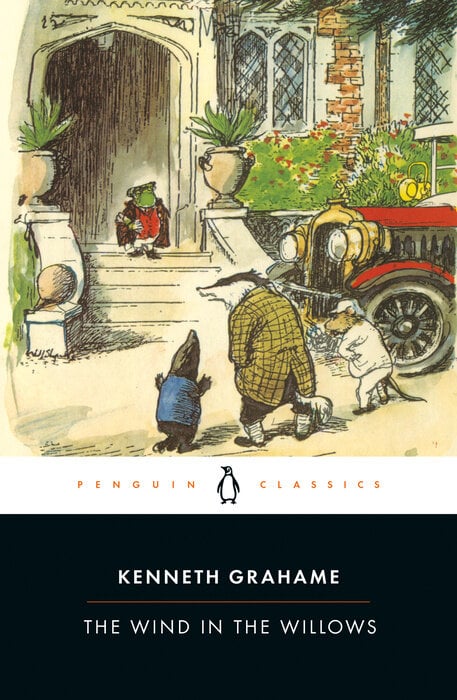
No. 35 on this list. The Wind in the Willows
Kenneth Grahame · 1908
Taught in schools: CSEC English B – Caribbean Examinations Council
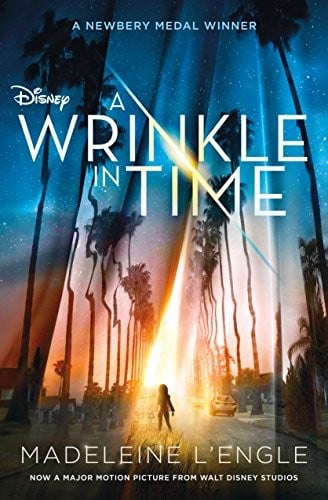
No. 36 on this list. A Wrinkle in Time
Madeleine L'Engle · 1962
Taught in schools: Common Core text exemplars (Appendix B) (US), CSEC English B – Caribbean Examinations Council
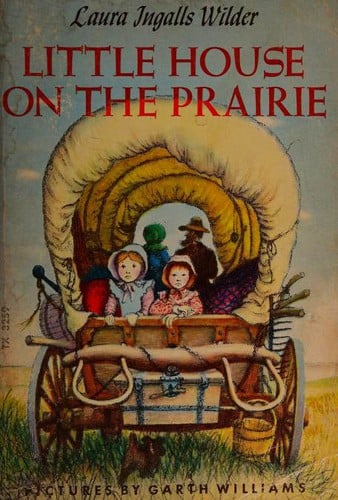
No. 37 on this list. Little House on the Prairie
Laura Ingalls Wilder · 1935
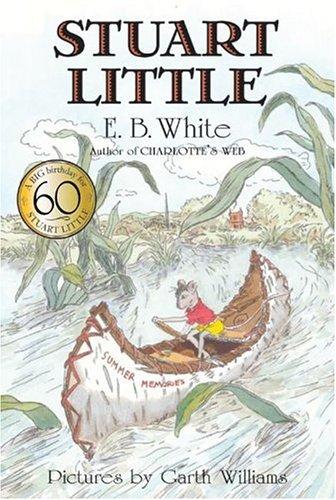
No. 38 on this list. Stuart Little
E.B. White · 1945
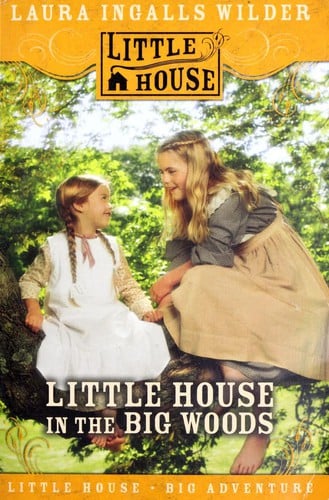
No. 39 on this list. Little House in the Big Woods
Taught in schools: Common Core text exemplars (Appendix B) (US)
No. 40 on this list. The Selfish Giant
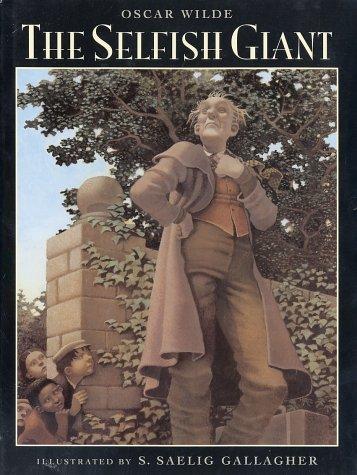
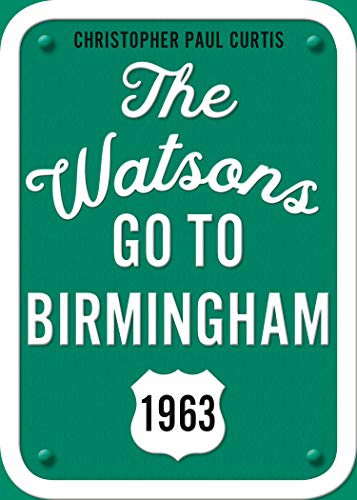
No. 41 on this list. The Watsons Go to Birmingham - 1963
Christopher Paul Curtis · 1995
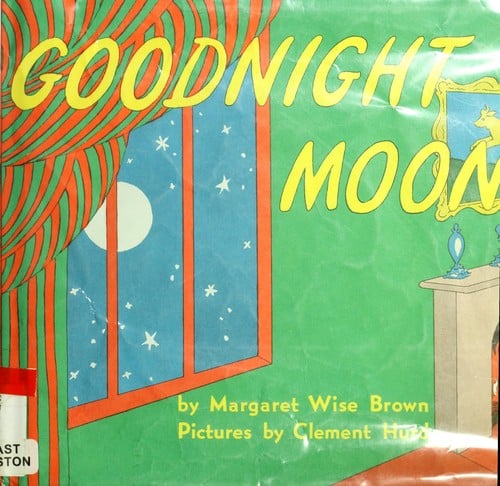
No. 42 on this list. Goodnight Moon
Margaret Wise Brown · 2005
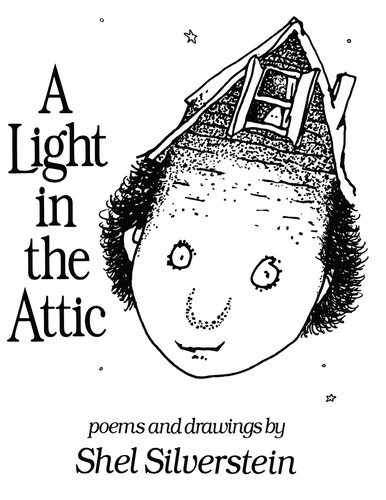
No. 43 on this list. A Light in the Attic
Shel Silverstein · 2002
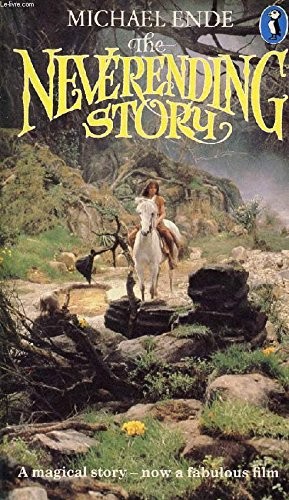
No. 44 on this list. The Neverending Story
Michael Ende · 1979
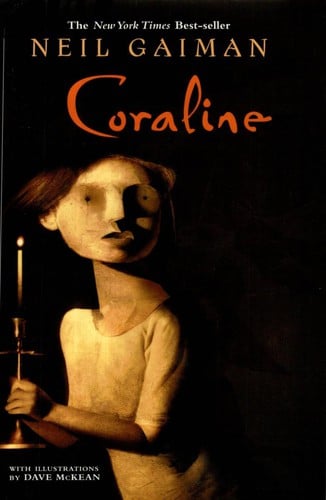
No. 45 on this list. Coraline
Neil Gaiman · 2002
No. 46 on this list. Farmer Boy
Taught in schools: CSEC English B – Caribbean Examinations Council
No. 47 on this list. James and the Giant Peach
Roald Dahl · 1961
No. 48 on this list. Black Beauty
Anna Sewell · 2003
Taught in schools: CSEC English B – Caribbean Examinations Council
No. 49 on this list. Number the Stars
Lois Lowry · 1989
No. 50 on this list. The Borrowers
Mary Norton · 1952
Taught in schools: CSEC English B – Caribbean Examinations Council
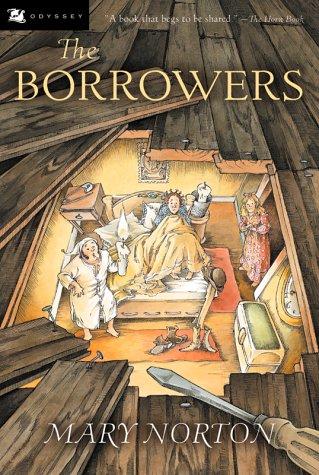
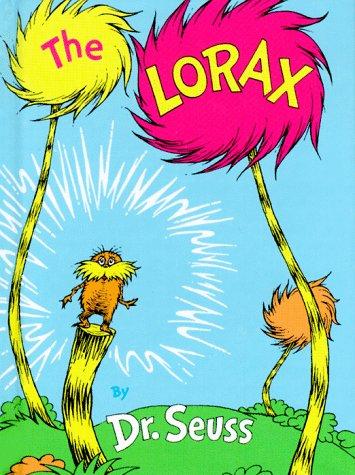
No. 51 on this list. The Lorax
Dr. Seuss · 1971
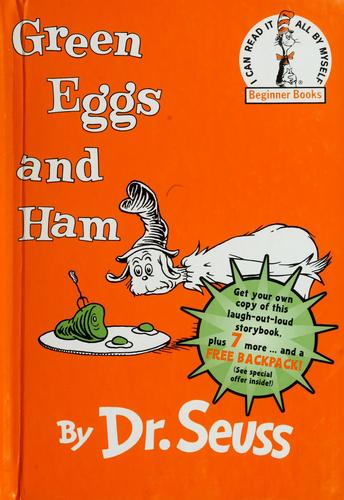
No. 52 on this list. Green Eggs and Ham
Dr. Seuss · 1960
Taught in schools: Common Core text exemplars (Appendix B) (US)
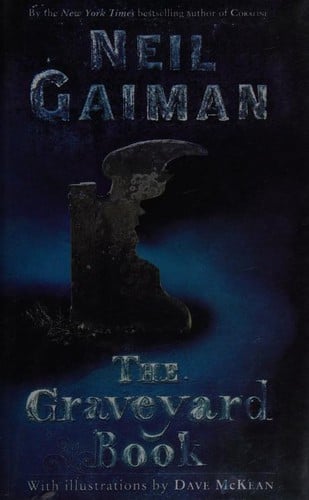
No. 53 on this list. The Graveyard Book
Neil Gaiman · 2008
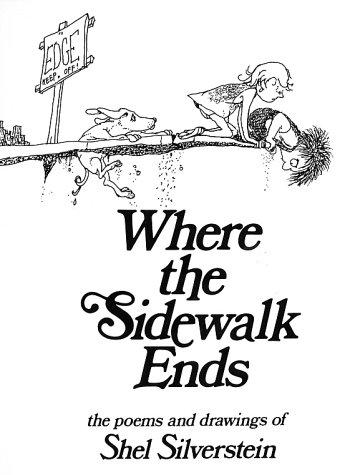
No. 54 on this list. Where the Sidewalk Ends
Shel Silverstein · 2002
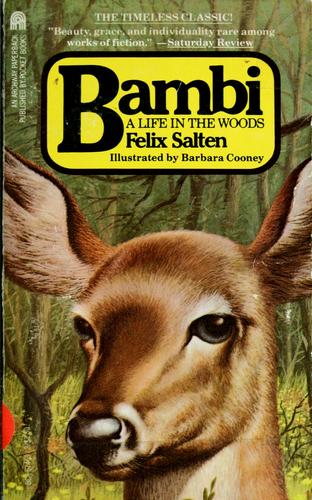
No. 55 on this list. Bambi: A Life in the Woods
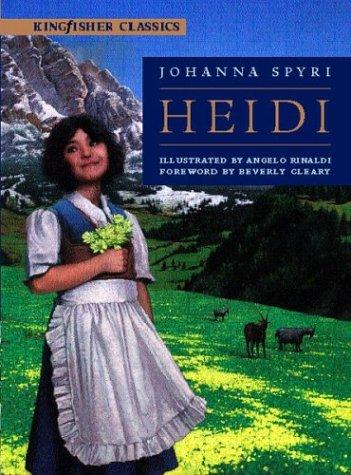
No. 56 on this list. Heidi (Heidi, #1-2)
Johanna Spyri · 2002
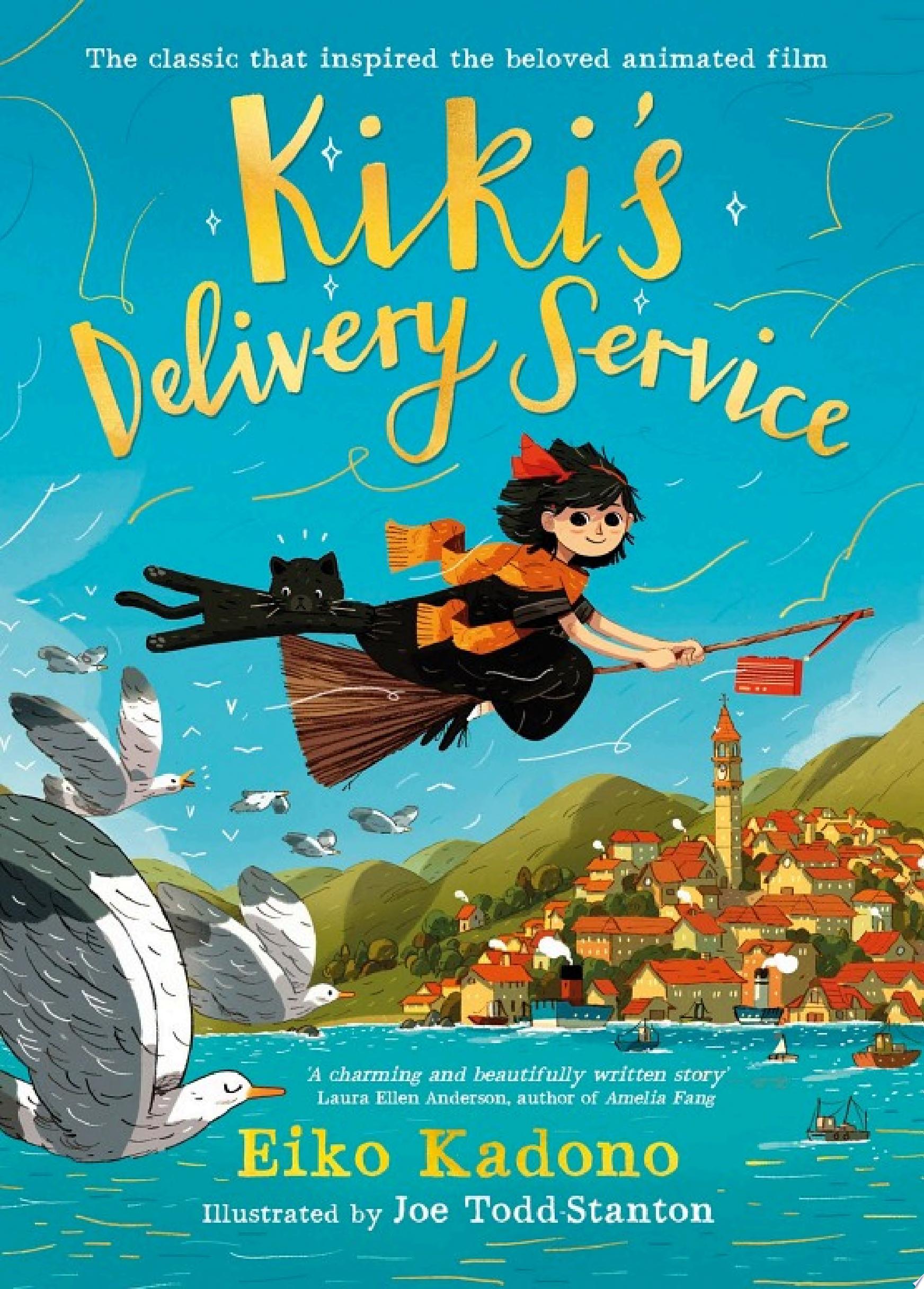
No. 57 on this list. Kiki's Delivery Service
Eiko Kadono · 2020
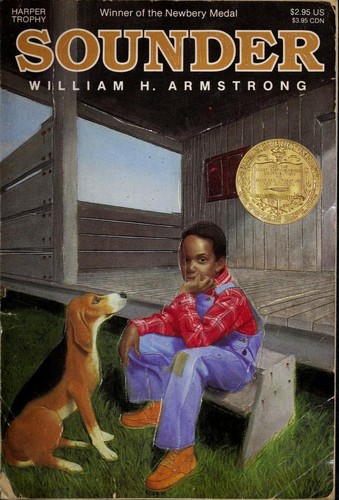
No. 58 on this list. Sounder
William H. Armstrong · 1995
Taught in schools: CSEC English B – Caribbean Examinations Council
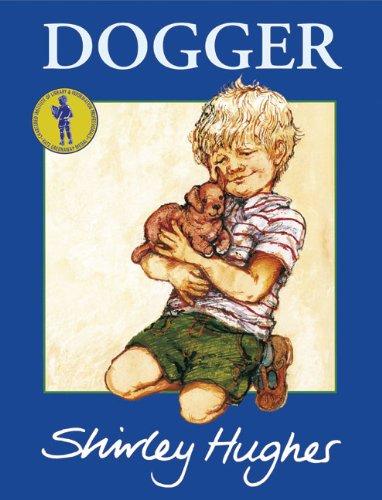
No. 59 on this list. Dogger
Shirley Hughes · 2010
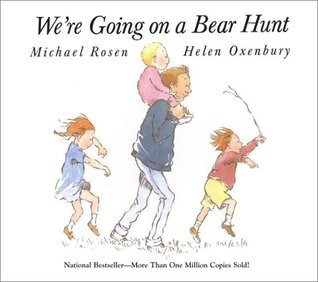
No. 60 on this list. We're Going on a Bear Hunt
Michael Rosen · 2003
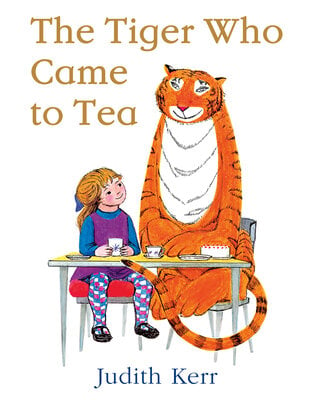
No. 61 on this list. The Tiger Who Came to Tea
Judith Kerr · 1992
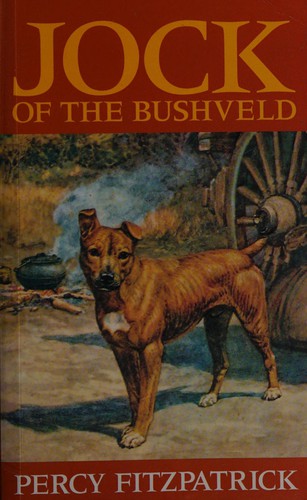
No. 62 on this list. Jock of the Bushveld
J. Percy FitzPatrick · 1907
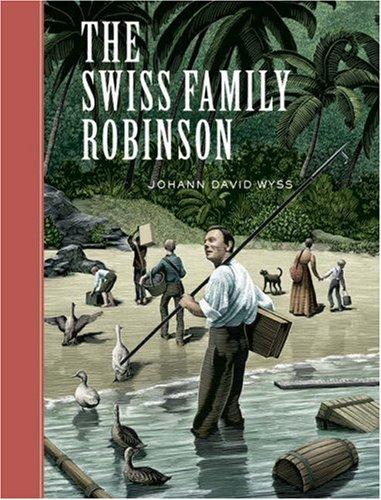
No. 63 on this list. The Swiss Family Robinson
Johann David Wyss · 2006
No. 64 on this list. The Rainbow Serpent
Dick Roughsey · 1975
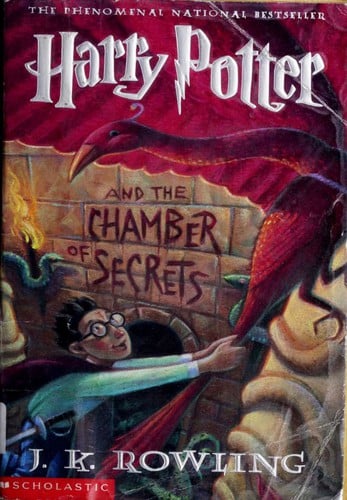
No. 65 on this list. Harry Potter and the Chamber of Secrets
J.K. Rowling · 1999
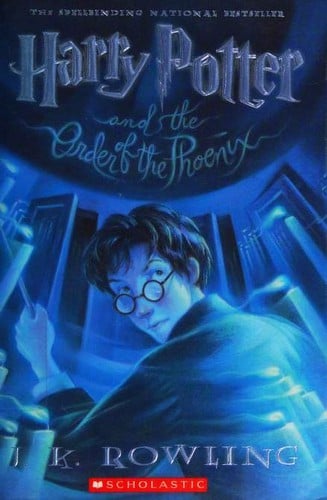
No. 66 on this list. Harry Potter and the Order of the Phoenix
J.K. Rowling · 2003
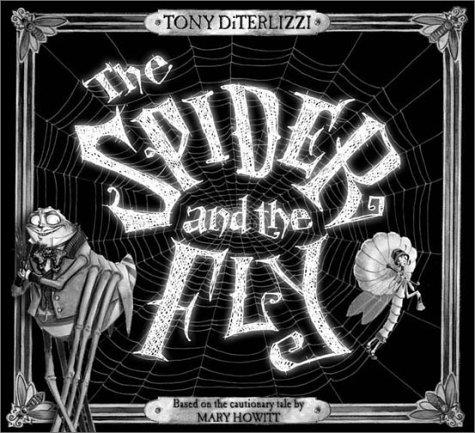
No. 67 on this list. The Spider and the Fly
Mary Botham Howitt · 2002
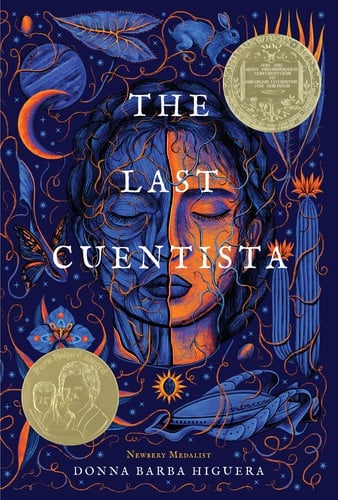
No. 68 on this list. The Last Cuentista
Donna Barba Higuera · 2021
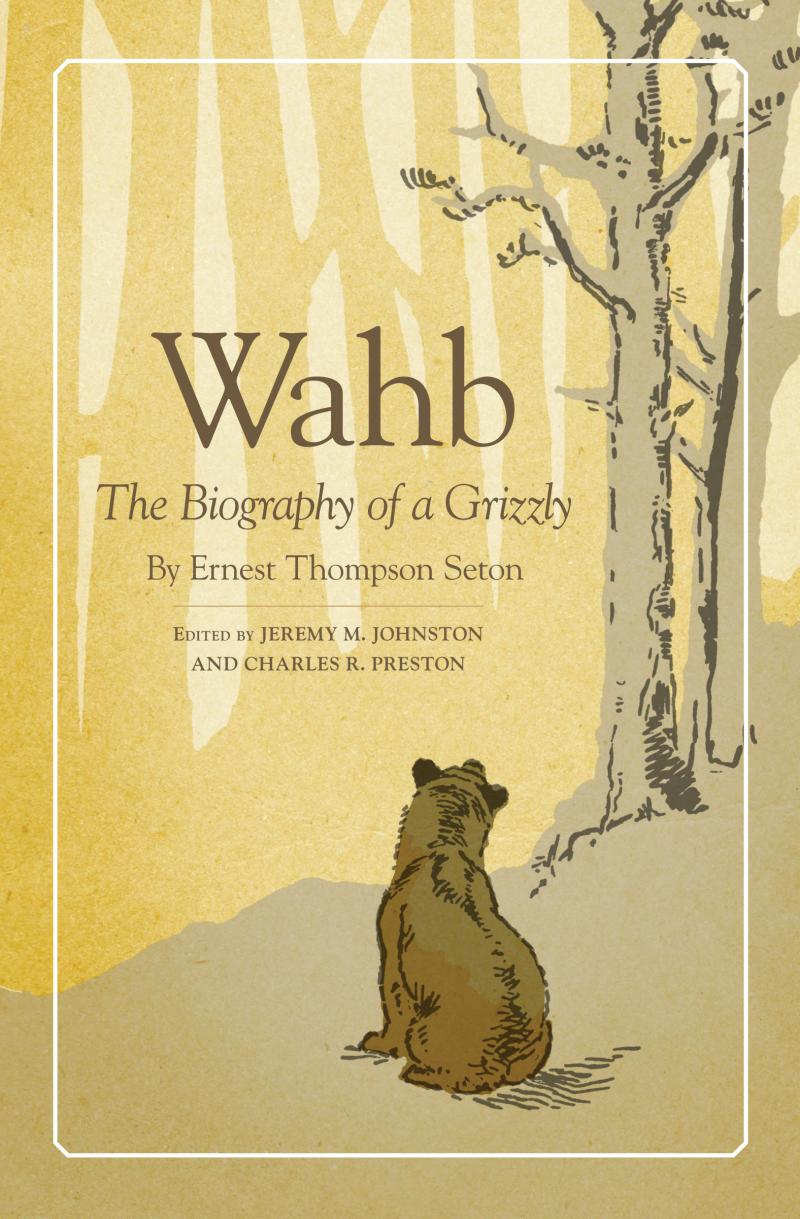
No. 69 on this list. Wahb: The Biography of a Grizzly
Ernest Thompson Seton · 2015
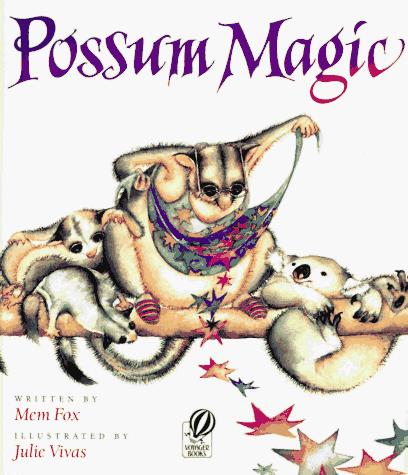
No. 70 on this list. Possum Magic
Mem Fox · 1991

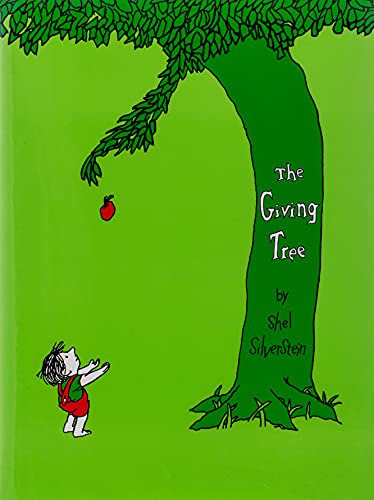
No. 71 on this list. The Giving Tree
Shel Silverstein · 1964
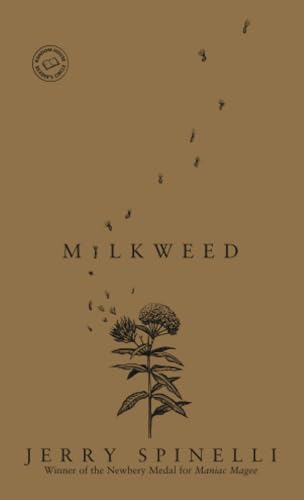
No. 72 on this list. Milkweed
Jerry Spinelli · 2003
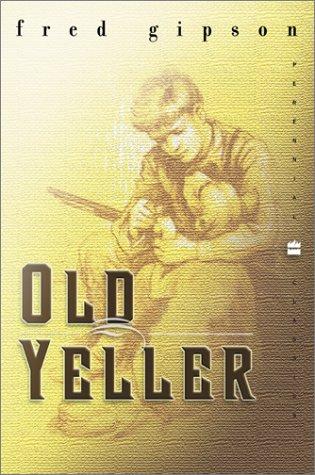
No. 73 on this list. Old Yeller
Fred Gipson · 2001
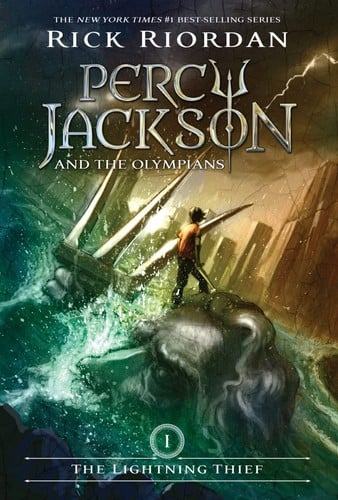
No. 74 on this list. The Lightning Thief
Rick Riordan · 2006
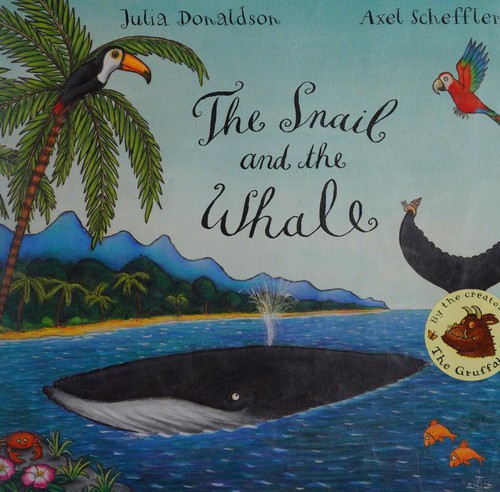
No. 75 on this list. The Snail and the Whale
Julia Donaldson · 2005
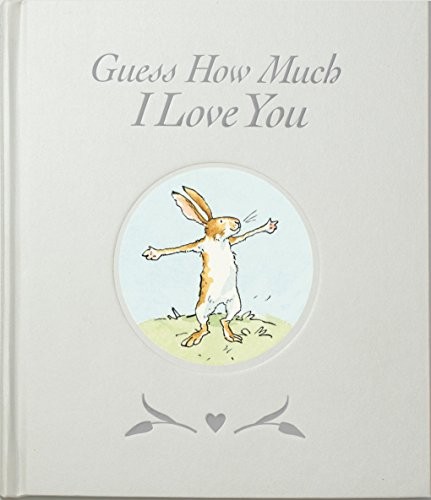
No. 76 on this list. Guess How Much I Love You
Sam McBratney · 2014
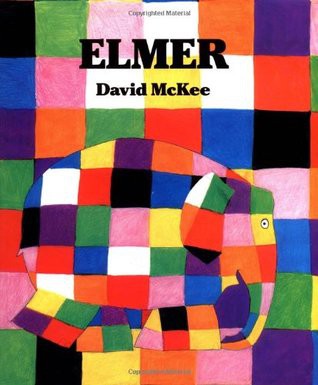
No. 77 on this list. Elmer
David McKee · 1989
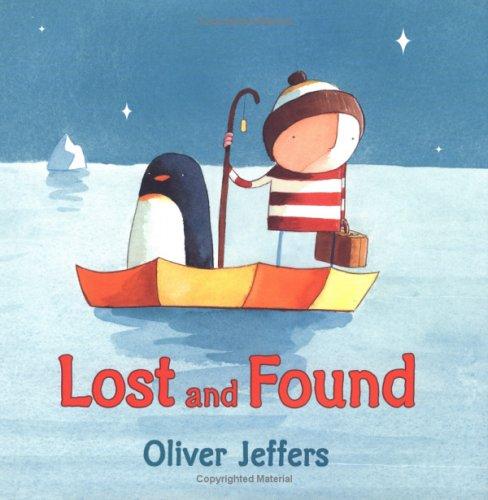
No. 78 on this list. Lost and Found
Oliver Jeffers · 2005
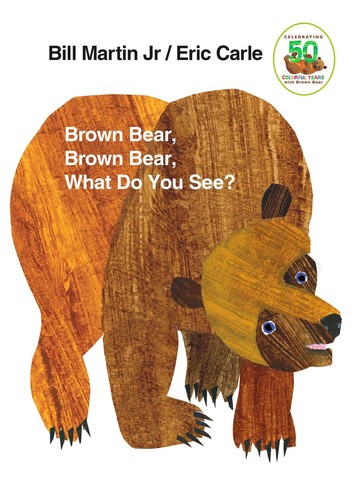
No. 79 on this list. Brown Bear, Brown Bear, What Do You See?
Bill Martin Jr. · 1996
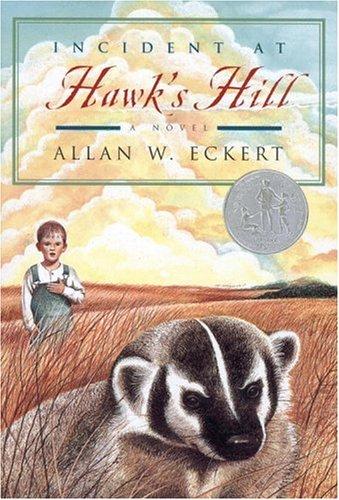
No. 80 on this list. Incident at Hawk's Hill
Allan W. Eckert · 1995
No. 81 on this list. The Titan's Curse
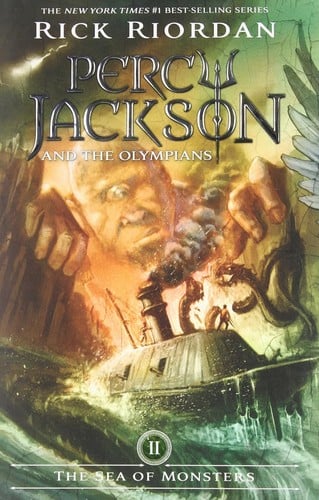
No. 82 on this list. The Sea of Monsters
Rick Riordan · 2006
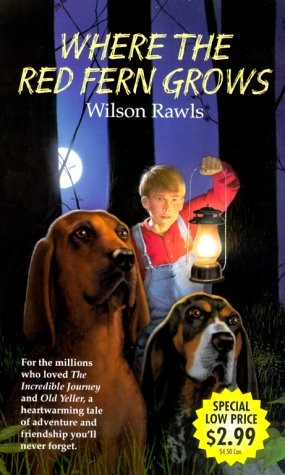
No. 83 on this list. Where the Red Fern Grows
Wilson Rawls · 1961
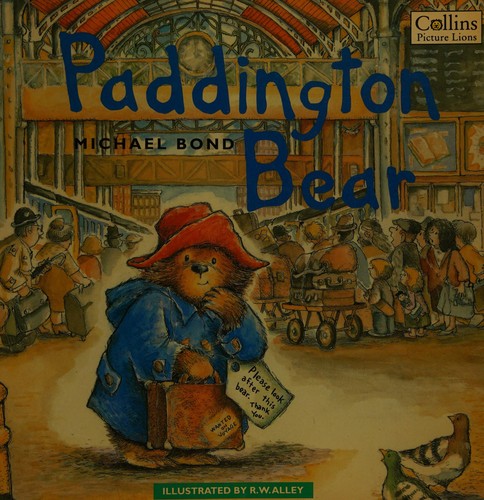
No. 84 on this list. Paddington Bear
Michael Bond · 1998
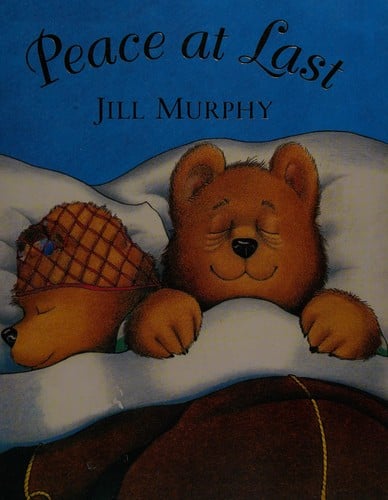
No. 85 on this list. Peace at Last
Jill Murphy · 1999
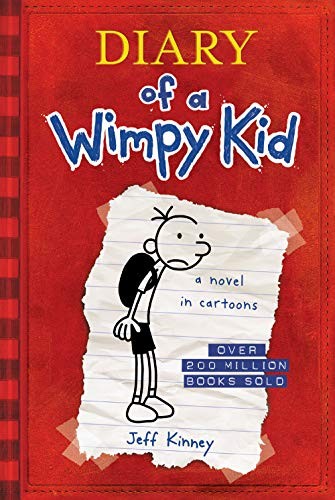
No. 86 on this list. Diary of a Wimpy Kid
Jeff Kinney · 2007
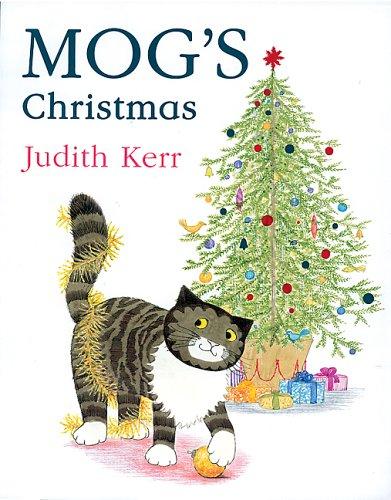
No. 87 on this list. Mog's Christmas
Judith Kerr · 2004
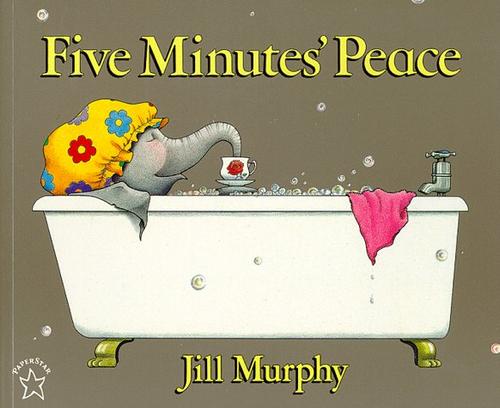
No. 88 on this list. Five Minutes' Peace
Jill Murphy · 1999
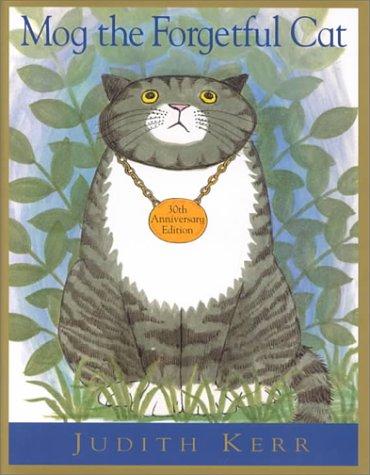
No. 89 on this list. Mog the Forgetful Cat
Judith Kerr · 2000
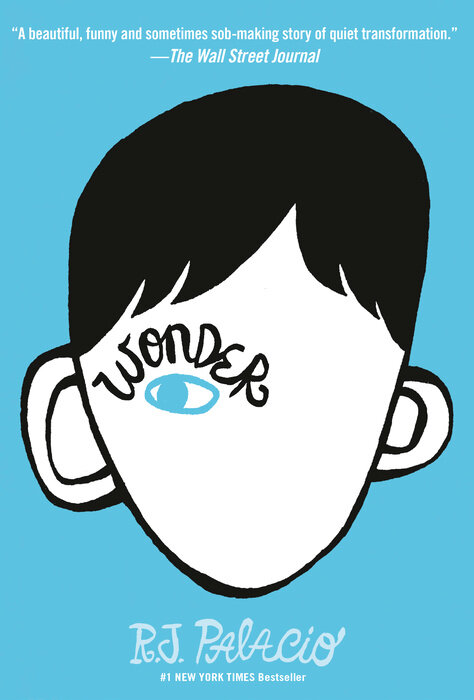
No. 90 on this list. Wonder
R.J. Palacio · 2012

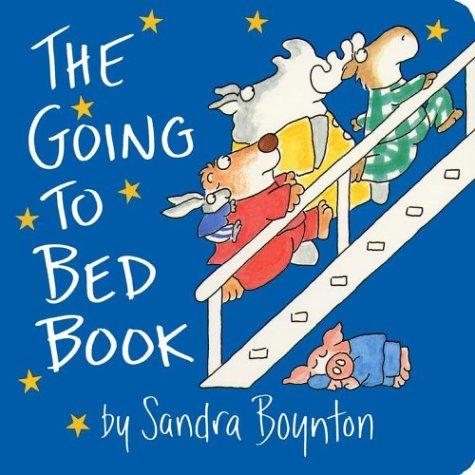
No. 91 on this list. The Going To Bed Book
Sandra Boynton · 1982
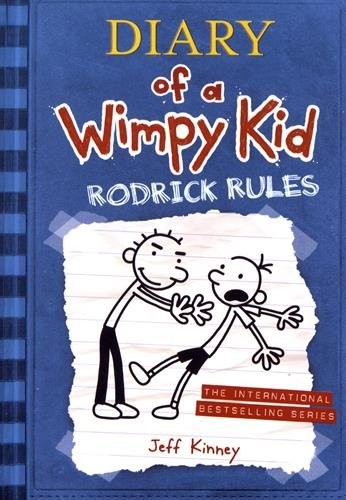
No. 92 on this list. Rodrick Rules
Jeff Kinney · 2007
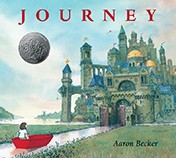
No. 93 on this list. Journey
Aaron Becker · 2013
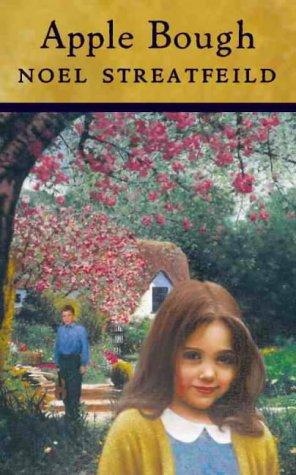
No. 94 on this list. Apple Bough
Noel Streatfeild · 1999
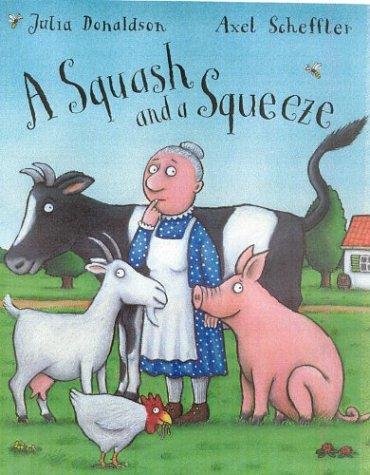
No. 95 on this list. A Squash and a Squeeze
Julia Donaldson · 2004
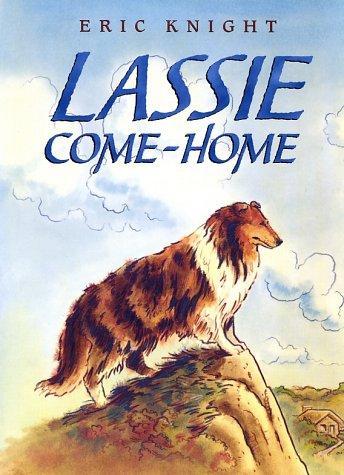
No. 96 on this list. Lassie Come-Home
Rosemary Wells · 2003
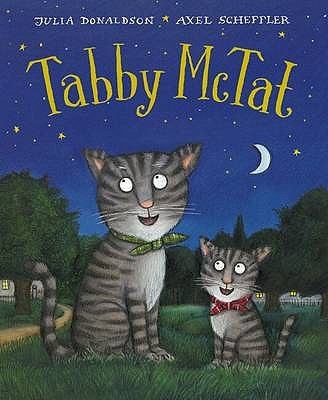
No. 97 on this list. Tabby McTat
Julia Donaldson · 2009
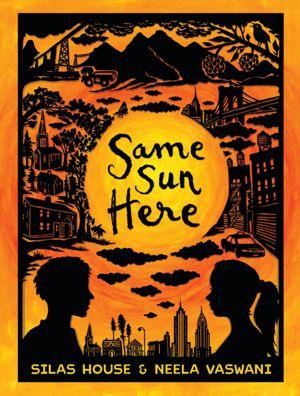
No. 98 on this list. Same Sun Here
Silas House · 2012
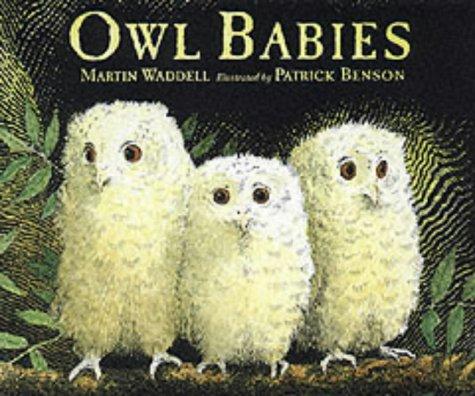
No. 99 on this list. Owl Babies
Martin Waddell · 2002
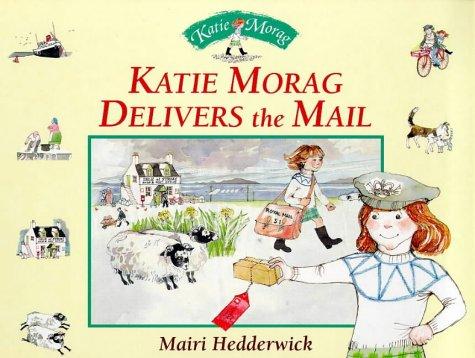
No. 100 on this list. Katie Morag Delivers the Mail
Mairi Hedderwick · 1997
About this list
These 100 books are the highest-scoring eligible children's books currently in the catalogue. About 259 hours of reading in all, for the 98 with measured lengths. Difficulty runs from 17 to 33 out of 100 for the middle half of the list; the summit is The Neverending Story at 62.
This list is ranked by literary regard, with a consistent order for equal scores. Membership follows authors and co-authors, not translators or editors. Catalogue coverage and the historical canon both limit what this list can represent, and genre labels are the catalogue’s own, gathered into broader kinds.
When we matched the Canons dataset to our catalogue in October 2026, our canonical-status scores rose with the number of school curricula, publisher series and lists in it that cite a work: the median score was 72 for books one such source cites, 84 at two, 88 at three, 92 at four and 93 at five or more. Prizes are left out of that count. Outside the state curricula, the dataset’s sources choose mostly from what has been translated into English or French, so it is a weaker check on other literatures. Source: Canons (Andrew Piper), CC BY 4.0
Questions people actually ask
- What are the best children's books?
- By literary regard, which weighs canonical status, critical standing and influence: Alice's Adventures in Wonderland and Through the Looking-Glass by Lewis Carroll, The Complete Grimm's Fairy Tales by Jacob Grimm, Grimm's Fairy Tales by Brothers Grimm, Through the Looking-Glass and What Alice Found There by Lewis Carroll and Charlotte's Web by E.B. White. ReadingRate ranks 100 such books, each with a difficulty score and a reading-time estimate.
- Which children's books should I read first?
- Start from difficulty, not from rank. The most approachable books on this list that still carry top literary regard are Charlotte's Web by E.B. White (about 1.6 hours), The Complete Grimm's Fairy Tales by Jacob Grimm and The Hobbit by J.R.R. Tolkien.
- What are the shortest of the best children's books?
- Among the top 25, the shortest are Where the Wild Things Are by Maurice Sendak (about 1 min), The Little Prince by Antoine de Saint-Exupéry (about 60 min) and Meet the Little Prince by Antoine de Saint-Exupéry (about 1 hours), at an average pace of 250 words a minute adjusted for each book's difficulty.
- Which of the best children's books are the established classics?
- By canonical status, how firmly a book sits in curricula, anthologies and the canon: Alice's Adventures in Wonderland and Through the Looking-Glass by Lewis Carroll, Grimm's Fairy Tales by Brothers Grimm, Charlotte's Web by E.B. White, The Little Prince by Antoine de Saint-Exupéry and The Complete Grimm's Fairy Tales by Jacob Grimm.
- How long would it take to read the top ten?
- About 37 hours for the 9 with measured lengths, at an average pace of 250 words a minute adjusted for each book's difficulty: 19 days at two hours a day. Set your own pace on the page and the list's reading times change to it.
- How hard are children's books to read?
- Most of this list sits between 17 and 33 on ReadingRate's 100-point difficulty scale, where 40 to 55 is moderate. The summit is The Neverending Story at 62. Every entry carries its own score, so a reader can pick a great book at a difficulty they will finish.
- How is this list ranked?
- On literary-regard data: how canonically established a work is, its critical standing, and its influence on later writing. It is not a readers’ poll, which is why recent bestsellers rarely appear. Membership follows authors and co-authors, not translators or editors. Lists by country, author, period, theme or difficulty keep to literature: fiction, poetry and drama, with no philosophy, criticism or theory. A list of a kind of book, such as philosophy, memoir or criticism, keeps every book of that kind. Every list holds at most three works by one author.